

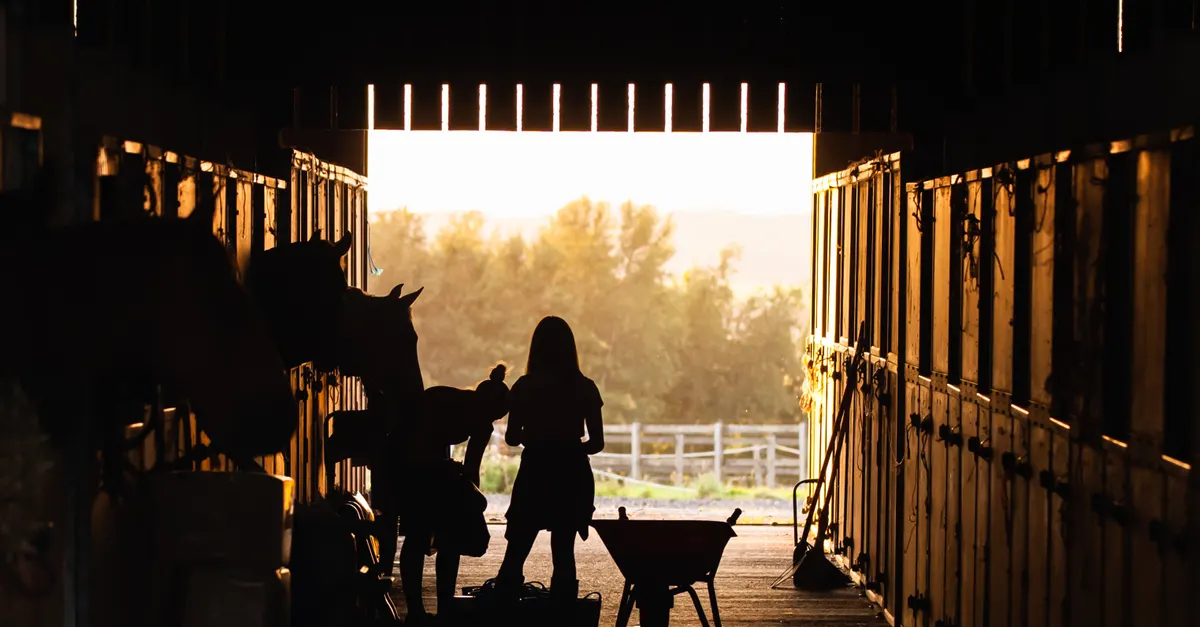
Moving a horse to a new barn is a significant event that can affect both the animal’s health and behavior. Horses are creatures of habit, and changes in their environment often lead to stress, which can manifest in various ways. Whether you’re relocating for better facilities, improved care, or a change in routine, understanding the risks and preparing thoughtfully will help ensure a smoother transition. This guide explores the key considerations, with a special emphasis on biosecurity and health, to help you support your horse through this important change.
Understanding the Challenges of Transitioning Horses
Horses are highly sensitive to changes in their surroundings. Their well-being depends on consistent routines and familiar environments. When a horse is moved to a new barn, the unfamiliar sights, sounds, and smells can cause anxiety and stress. According to research on equine stress, such stress can trigger health issues like ulcers, weight loss, and behavioral changes. Recognizing these risks is essential for anyone planning a move.
Common challenges during a transition include:
- Disruption of daily routines, such as feeding and turnout
- Exposure to new horses and potential herd dynamics issues
- Increased risk of illness due to new pathogens in the environment
- Behavioral signs of stress, including pacing, loss of appetite, or aggression
Being aware of horse stress indicators—such as changes in eating habits, excessive sweating, or reluctance to interact—can help you intervene early and seek professional advice if needed.
Pre-Move Preparations for a Smooth Transition
Preparation is key to minimizing stress when introducing horses to a new barn. Structured planning and gradual introduction, as highlighted by equine transition experts, help horses adapt without unnecessary anxiety. Here are some practical steps to consider:
- Maintain consistency in your horse’s routine as much as possible before, during, and after the move. This includes feeding times, turnout schedules, and exercise routines.
- Pack familiar items, such as the horse’s own water bucket or a favorite horse blanket, to provide comfort in the new environment.
- Communicate with the new barn management about your horse’s needs and preferences. Sharing details about feeding, supplements, and any medical requirements ensures continuity of care.
- Prepare for safe transportation by checking your horse trailer safety equipment and planning the route to minimize travel time and stress.
For a comprehensive overview of what to bring and check before the move, consult a horse barn equipment checklist to ensure nothing is overlooked.
Biosecurity and Health Considerations During the Move
One of the most overlooked aspects of moving horses is the risk of disease transmission. Biosecurity protocols are essential for protecting both your horse and the resident herd at the new facility. According to established editorial sources, implementing quarantine and health checks can prevent the spread of infectious diseases.
Key biosecurity measures include:
- Quarantine new arrivals for at least 14 days, if possible, to monitor for signs of illness before introducing them to the main barn or herd.
- Ensure all vaccinations and deworming are up to date prior to the move. Consult your veterinarian for recommendations based on regional risks.
- Disinfect all equipment, including grooming tools and feed buckets, before and after the move to avoid cross-contamination.
- Limit direct contact between your horse and others until you are confident there are no signs of illness.
- Monitor your horse closely for symptoms such as coughing, nasal discharge, diarrhea, or lethargy during the first weeks in the new environment.
Discuss biosecurity protocols with the new barn’s management to ensure everyone is aligned on best practices. If you notice any health concerns, seek veterinary advice promptly rather than attempting to diagnose or treat issues yourself.
Gradual Introduction to the New Environment and Herd
Once your horse arrives, a gradual approach to familiarization is best. Sudden exposure to new herd mates or unfamiliar surroundings can heighten stress and increase the risk of injury or behavioral problems. Here are some safe preliminary steps:
- Allow your horse to settle in a quiet stall or paddock before introducing them to the rest of the barn. Let them observe the environment and other horses from a distance.
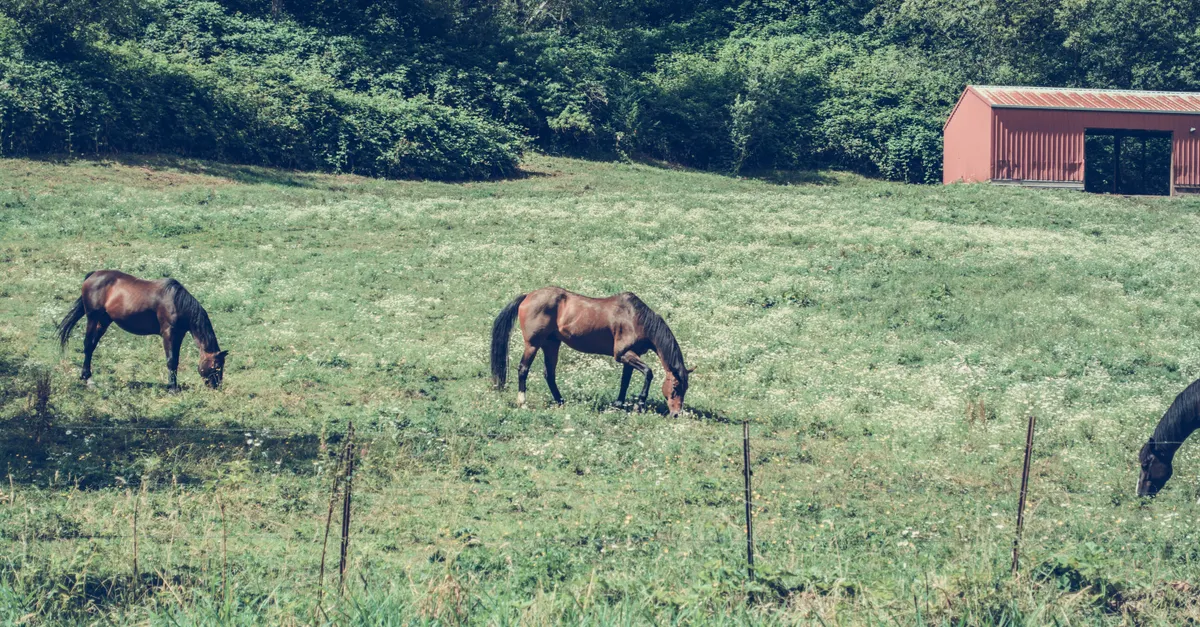
- Gradually increase their exposure to the new herd by allowing visual and olfactory contact over a fence or gate before any direct interaction.
- Supervise initial turnout sessions with new companions and be prepared to intervene if aggressive behavior occurs.
- Keep familiar items, such as a favorite halter or feed, nearby to provide comfort during the adjustment period.
Patience is crucial. Each horse acclimates at its own pace, and some may require several days or even weeks to feel comfortable. If you observe persistent signs of distress or aggression, consult with a trainer or equine behaviorist for guidance.
Maintaining Routine and Monitoring Stress
Consistency in daily routines is one of the most effective ways to support your horse during a transition. Try to replicate their previous feeding schedule and turnout routine as closely as possible. Sudden changes in diet or exercise can exacerbate stress and lead to digestive issues or behavioral problems.
Monitor your horse’s health and behavior closely during the first few weeks. Look for signs such as:
- Reduced appetite or changes in eating habits
- Weight loss or dull coat
- Unusual vocalization or restlessness
- Withdrawal from social interaction
- Changes in manure consistency
If you notice any of these indicators, consult your veterinarian or an experienced equine professional. Early intervention can prevent minor issues from becoming serious health concerns.
Conclusion: The Importance of Planning and Professional Support
Successfully introducing a horse to a new barn environment requires thoughtful planning, attention to biosecurity, and a commitment to maintaining routine. By understanding the risks and taking safe, preliminary steps, you can help your horse adjust more comfortably and reduce the likelihood of health or behavioral problems. Always be prepared to seek professional advice if you encounter challenges beyond your experience. A well-managed transition benefits not only your horse but the entire barn community.
Frequently Asked Questions
How long does it typically take for a horse to adjust to a new barn?
Adjustment periods vary by individual, but most horses begin to settle within a few days to a couple of weeks. Some may take longer, especially if they are sensitive or have experienced multiple moves. Monitoring for stress and maintaining routine can help speed the acclimation process.
What are the best practices for introducing a horse to a new herd?
Start with a period of quarantine or separation, allowing visual and olfactory contact before direct interaction. Gradually introduce your horse to one or two calm herd members under supervision. Avoid rushing the process, and be prepared to intervene if aggressive behavior occurs.
What biosecurity measures should be considered when moving a horse?
Key biosecurity steps include ensuring vaccinations and deworming are current, disinfecting all equipment, implementing a quarantine period, and monitoring for signs of illness. Open communication with barn management about health protocols is also essential for preventing disease transmission.