

Fire safety in horse barns is a critical concern for every barn owner and manager. The combination of flammable materials, electrical equipment, and the presence of animals makes barns particularly vulnerable to fire hazards. A single incident can result in devastating losses, including harm to horses, destruction of property, and emotional trauma for everyone involved. This guide explores essential horse barn fire safety tips, focusing on both prevention and emergency response to help protect your horses and property.
Understanding the Main Causes of Barn Fires
Recognizing what typically triggers barn fires is the first step in reducing risk. According to research from Rutgers University, barn fires most frequently occur during the summer due to electrical storms and in the winter because of heating equipment. Both weather and seasonal changes can increase the likelihood of a fire starting, so it’s important to stay vigilant year-round.
Some of the most common causes include:
- Electrical faults – Faulty wiring, overloaded circuits, and improper use of extension cords can ignite fires.
- Heating equipment – Space heaters, heat lamps, and other devices used to keep animals warm in winter are frequent culprits.
- Lightning strikes – Summer storms can cause direct hits or power surges that lead to fires.
- Spontaneous combustion – Damp hay and straw can heat up internally and ignite without an external spark.
- Smoking and open flames – Careless disposal of cigarettes or use of open flames near flammable materials is extremely hazardous.
Understanding these risks allows barn owners to implement targeted safety measures and remain alert during high-risk periods.
Fire Prevention Strategies for Equine Facilities
Prevention is the most effective way to protect your barn and horses from fire. Implementing a combination of daily habits, facility design, and equipment choices can significantly reduce the chances of a disaster.
Safe Storage of Flammable Materials
One of the most important horse barn fire safety tips is to store highly flammable materials, such as hay and straw, separately from the main barn. Rutgers University research highlights that these materials should never be kept in the same building as livestock. The burning rate of loose straw is three times that of gasoline, according to the University of Connecticut Extension, making it a major fire hazard.
- Store hay and straw in a dedicated, well-ventilated outbuilding away from the main barn.
- Keep only a small, daily supply of bedding and feed in the barn itself.
- Regularly remove dust, cobwebs, and debris that can fuel a fire.
Routine Maintenance and Housekeeping
Good housekeeping is essential for fire prevention. Sweep up loose bedding and dust, dispose of manure and waste promptly, and keep aisles clear. Regularly inspect and clean light fixtures, outlets, and appliances to prevent dust buildup, which can ignite.
For a comprehensive approach to barn organization and safety, review a horse barn equipment checklist to ensure all necessary items are stored safely and nothing is left to create unnecessary risk.
Prohibiting Smoking and Open Flames
Post clear “No Smoking” signs and enforce a strict no-smoking policy in and around the barn. Never use open flames, such as candles or torches, for lighting or pest control.
Fire Safety Equipment
Install and maintain fire extinguishers at all barn entrances and near high-risk areas. Ensure everyone on the property knows how to use them. Consider adding smoke detectors designed for agricultural environments, and test them regularly.
Electrical Safety Measures in Barns
Electrical systems are a leading cause of barn fires, especially during periods of heavy use. The University of Connecticut Extension recommends using metal clad cables for all wiring in barns, as these provide extra protection against damage from rodents and moisture.
- Have all electrical work performed by a licensed electrician familiar with agricultural buildings.
- Use only weatherproof, dust-tight fixtures and outlets.
- Inspect wiring annually for signs of wear, corrosion, or rodent damage.
- Do not overload circuits or use household extension cords for permanent barn equipment.
- Unplug portable equipment, such as barn fans and clippers, when not in use.
If you notice flickering lights, tripped breakers, or any unusual electrical smells, contact a professional immediately. Never attempt to repair complex electrical issues yourself.
Emergency Response Actions: What to Do If a Fire Breaks Out
While prevention is vital, knowing how to respond in an emergency can save lives. Every barn should have a clear, practiced emergency plan that prioritizes human safety and, where possible, the safe evacuation of horses.
Immediate Steps to Take
- Call emergency services as soon as a fire is detected. Do not delay to try to fight the fire yourself if it is spreading rapidly.
- Alert everyone on the property and evacuate people first. Human life always comes before property or animals.
- Attempt to contain the fire only if it is small and you have a clear escape route. Use a fire extinguisher on small, contained fires.
Evacuating Horses Safely
- Lead horses out one at a time, starting with those closest to the exit.
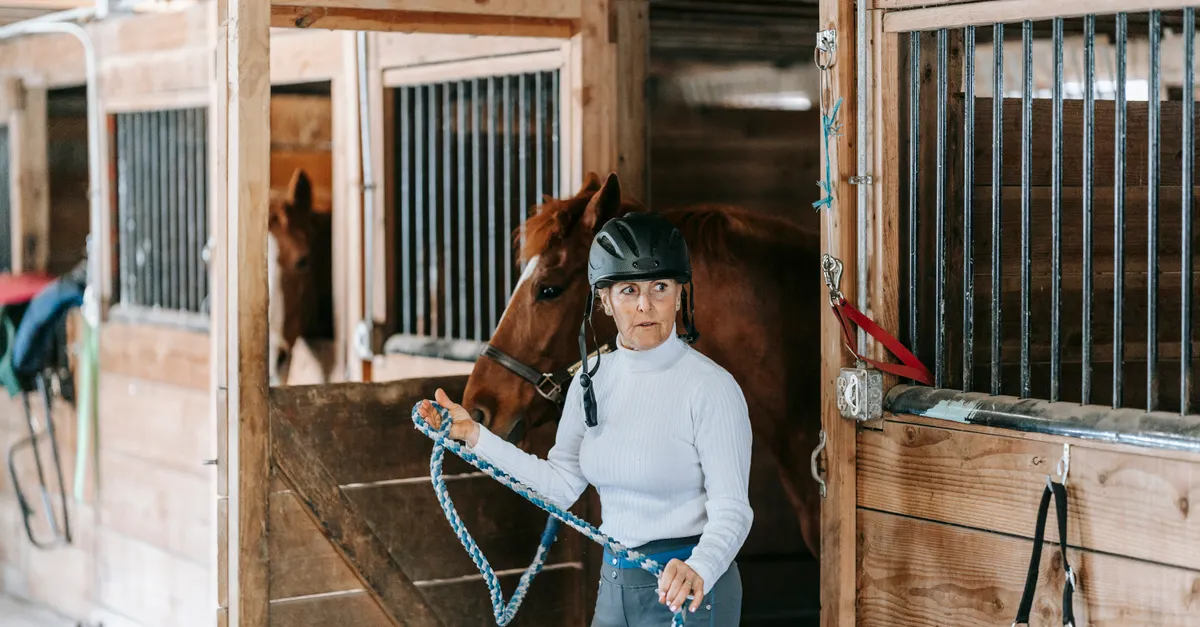
- Have halters and lead ropes easily accessible at every stall door.
- Never let horses loose in an open area, as they may run back into the barn out of fear.
- Move horses to a pre-designated safe area, such as a paddock far from the barn.
Practice evacuation drills regularly so both people and horses are familiar with the process. Assign roles to staff or family members so everyone knows their responsibilities in an emergency.
When to Seek Professional Help
If the fire is beyond your control, evacuate immediately and wait for firefighters. Do not re-enter the barn for any reason. After the fire, have the structure inspected by professionals before allowing anyone or any animals to return.
Design and Maintenance for Fire-Resistant Barns
Thoughtful barn design and ongoing maintenance can further reduce fire risk. Consider the following best practices:
- Use fire-resistant building materials, such as metal roofing and siding, wherever possible.
- Install wide, unobstructed aisles and multiple exits for quick evacuation.
- Keep landscaping trimmed and free of debris around the barn perimeter.
- Ensure access roads are clear for emergency vehicles at all times.
Regularly review your barn’s layout and make improvements as needed. Consult with fire safety professionals or local fire departments for recommendations tailored to your facility.
Conclusion: Staying Vigilant with Fire Safety
Protecting your horses and property from fire requires a combination of prevention, preparedness, and quick action in emergencies. By understanding the risks, maintaining your barn, and having a clear emergency response plan, you can greatly reduce the likelihood of tragedy. Ongoing vigilance and regular review of your safety protocols are essential—fire safety is not a one-time task but a continuous commitment.
Frequently Asked Questions
What materials are most hazardous in a horse barn?
The most dangerous materials include hay, straw, and bedding, as they are highly flammable. According to the University of Connecticut Extension, loose straw burns three times faster than gasoline. Store these materials separately from livestock whenever possible.
How often should fire safety equipment be checked?
Fire extinguishers and smoke detectors should be inspected monthly to ensure they are in working order. Replace or service any equipment that is damaged or expired, and keep instructions visible for all users.
What is the best way to train staff and family for fire emergencies?
Conduct regular fire drills that include both evacuation of people and horses. Assign roles, review escape routes, and practice using fire safety equipment. Training helps everyone respond quickly and calmly if an emergency occurs.