Of Horse
  • Home
  • Breeding
  • Disciplines
  • The Horse
    • Health & Care
    • Equipment
    • First Aid & Illness
  • The Rider
    • Equipment
    • Training
    • Rider’s Aid
  • Blog
Disciplines

Why Horses Shy Away from People or Objects

Wood Smith
October 23, 2025

Understanding equine behavior can be a complex task, especially when it comes to deciphering why horses shy away from certain stimuli. This article aims to shed light on this intriguing aspect of horse behavior, exploring the reasons behind their reactions and providing insights on how to manage such situations.

Understanding Equine Behavior

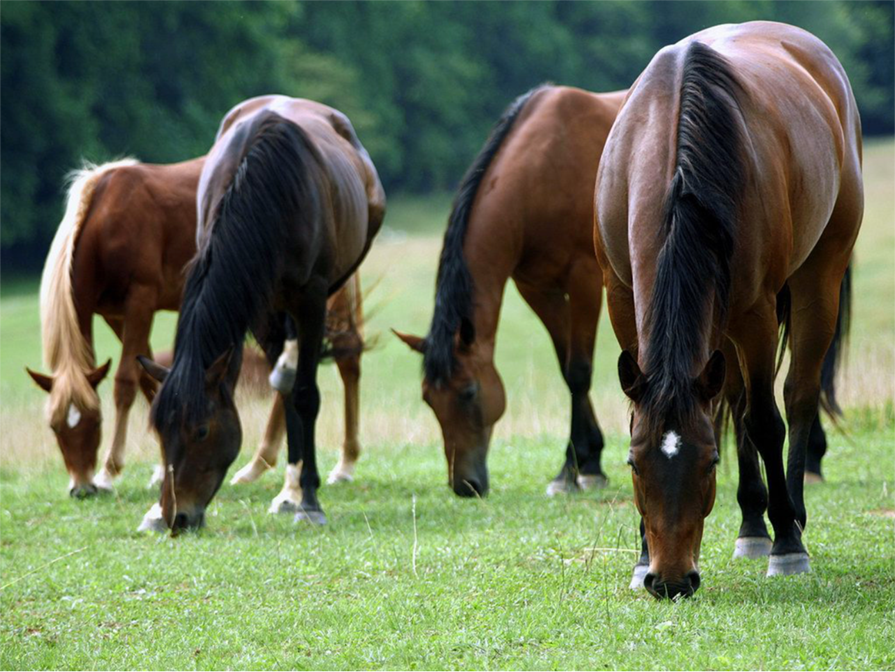
Before we delve into the specifics of why horses might shy away from people or objects, it’s important to have a basic understanding of equine behavior. Horses are prey animals, and their instinctive reactions are often based on self-preservation. A sudden movement or unfamiliar object can trigger a flight response, causing the horse to shy away.

For a more in-depth understanding of equine behavior, you may want to consult an equine behaviorist.
why horses shy away Why Horses Shy Away from People or Objects

Factors That Influence a Horse’s Reaction

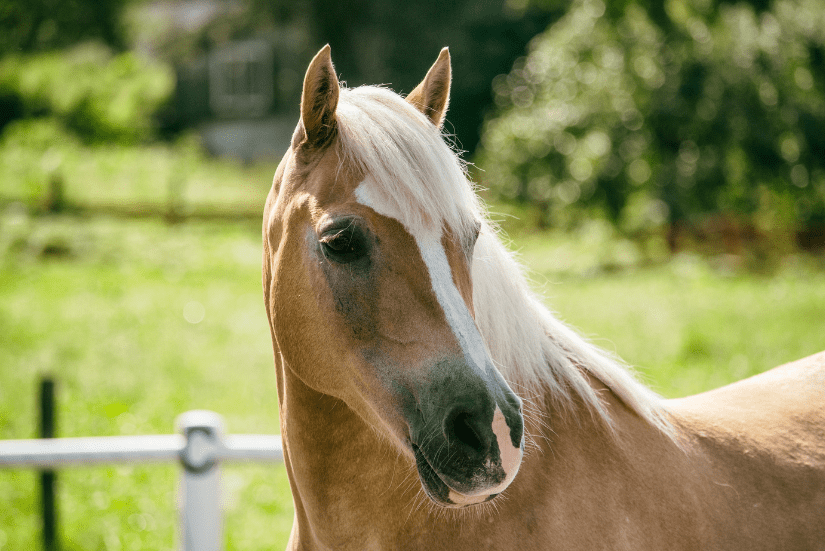
Several factors can influence why a horse might shy away. These include the horse’s past experiences, its level of training, and its individual temperament. Unfamiliar objects or sudden movements can trigger a fear response in horses, causing them to shy away.

why horses shy away Why Horses Shy Away from People or Objects

How to Manage a Horse That Shies Away

Managing a horse that tends to shy away requires patience and understanding. It’s crucial to build trust with the horse and gradually expose it to different stimuli in a controlled and safe manner. This process can help desensitize the horse and reduce its tendency to shy away.

Proper hoof care is also essential to ensure the horse’s comfort and confidence. Using products designed to prevent hoof damage can contribute to the horse’s overall well-being and potentially reduce its anxiety.

Additionally, providing the horse with nutritional support can help maximize race-day energy, which can contribute to a more confident and less skittish horse.

←Previous
Next→

Recent Post

  • Difference Between Entry-Level and Professional Riding Helmets
    Difference Between Entry-Level and Professional Riding Helmets
    April 30, 2026
  • How to Protect a Riding Helmet During Shipping and Transit
    How to Protect a Riding Helmet During Shipping and Transit
    April 30, 2026
  • How to Fit a Riding Helmet for Oval Heads: Expert Tips
    How to Fit a Riding Helmet for Oval Heads: Expert Tips
    April 29, 2026
  • Understanding the Role of the Outer Shell in Helmet Safety
    Understanding the Role of the Outer Shell in Helmet Safety
    April 29, 2026
  • How to Clean Riding Helmet Vents: Removing Dust and Debris
    How to Clean Riding Helmet Vents: Removing Dust and Debris
    April 28, 2026
  • Difference Between Matte and Textured Shells: Which to Choose?
    Difference Between Matte and Textured Shells: Which to Choose?
    April 28, 2026
Of Horse

At Of Horse, we are dedicated to providing comprehensive resources for every aspect of the equine world. From expert advice on breeding and training to in-depth coverage of horse health, care, and first aid, we offer valuable insights for both horse and rider. Whether you’re exploring different disciplines, learning about the horse’s anatomy, or discovering the essential equipment for both horse and rider, our site is here to guide you. We are passionate about fostering a deeper connection between horses and riders, offering support every step of the way.

About Us | Contact Us | Terms of Use | Privacy Policy

© 2024, ofhorse.com. All Rights Reserved.