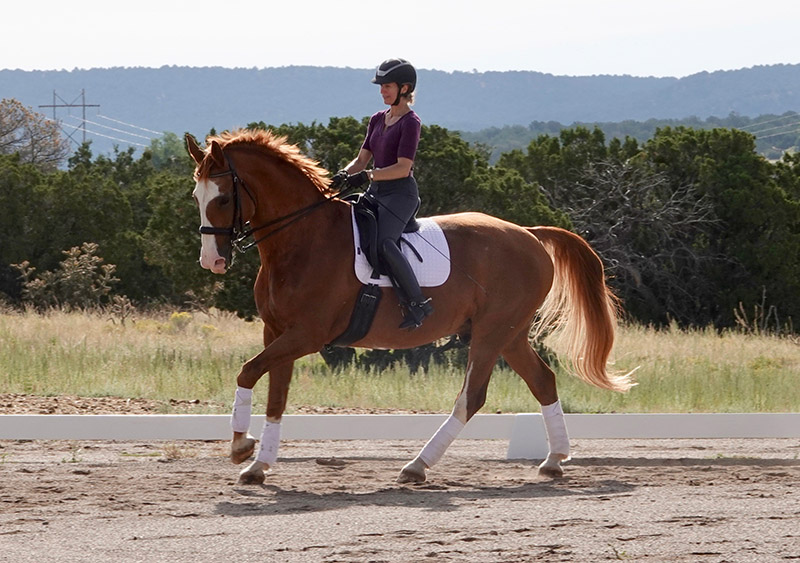
Dressage is often described as the art of riding and training a horse in a manner that develops obedience, flexibility, and balance. For riders and enthusiasts aiming to excel in the arena, understanding what judges look for in dressage is essential. Whether you are preparing for your first test or striving to improve your scores, knowing the criteria that influence judging can make a significant difference in your performance and progression.
This guide explores the main elements that influence scoring, from the horse’s movement and rider’s position to the precision of each movement. We’ll also provide practical tips and resources to help you refine your approach and gain a deeper appreciation for the discipline.
If you’re interested in developing specific skills, such as lateral movements or transitions, you may find the dressage lateral movements explained resource helpful for building a strong foundation before diving into the finer points of judging.
Core Principles Judges Assess in the Arena
At the heart of every dressage test are the core principles that judges use as their framework for scoring. These principles are rooted in the training scale, which includes rhythm, suppleness, contact, impulsion, straightness, and collection. Each of these elements is observed throughout the test, influencing both individual movement marks and collective marks at the end.
- Rhythm and Regularity: The purity and consistency of the horse’s gaits are fundamental. Judges look for clear, even steps in walk, trot, and canter.
- Suppleness and Relaxation: A relaxed, supple horse moves fluidly and responds willingly to the rider’s aids without tension or resistance.
- Contact and Connection: The horse should accept the bit and maintain a soft, steady connection with the rider’s hands, showing neither resistance nor over-flexion.
- Impulsion: Judges want to see energy that comes from the hindquarters, propelling the horse forward with controlled power.
- Straightness: The horse should travel straight on straight lines and bend correctly on curves, showing alignment through its body.
- Collection: At higher levels, collection becomes critical. The horse must demonstrate increased engagement, balance, and lightness in its movements.
Movement Execution and Accuracy
Precision is a hallmark of dressage. Judges pay close attention to how accurately each movement is performed according to the test pattern. This includes transitions, circles, lateral work, and halts. Riders are expected to execute each movement at the designated marker and maintain correct geometry throughout.
For example, when performing a shoulder-in dressage exercise, the judge will assess the angle, bend, and straightness, as well as the horse’s willingness and balance. Inaccurate figures or transitions performed too early or late can result in lower marks, even if the horse’s way of going is otherwise correct.

Rider’s Influence and Position
The rider’s position and effectiveness are integral to the overall impression. Judges evaluate how quietly and correctly the rider gives aids, maintains balance, and sits in harmony with the horse. An effective rider appears almost invisible, allowing the horse to perform with minimal visible direction.
- Seat and Posture: A balanced, upright seat with relaxed shoulders and a straight line from elbow to bit is ideal.
- Aids: Subtle, coordinated use of hands, legs, and weight aids is rewarded. Overly obvious or inconsistent aids may lower the score.
- Sympathy and Partnership: Judges appreciate a partnership where the horse and rider work together seamlessly, showing mutual trust and understanding.
Quality of Gaits and Transitions
The natural quality of the horse’s walk, trot, and canter is a significant factor in scoring. Judges look for freedom of movement, elasticity, and regularity. Transitions between gaits and within gaits (such as collected to extended trot) should be smooth, prompt, and balanced.
Practicing transitions is crucial for improving scores. Riders can benefit from guides such as how to ride correct dressage transitions to fine-tune their approach and develop greater harmony with their horse.
Common Mistakes and How to Avoid Them
Even experienced riders can lose points due to avoidable errors. Some of the most frequent issues include:
- Inaccurate figures or transitions performed at the wrong marker
- Lack of straightness or correct bend in lateral movements
- Tension or resistance in the horse, leading to irregular gaits
- Visible, uncoordinated aids from the rider
- Loss of rhythm or impulsion, especially during transitions
Addressing these areas through targeted practice and feedback can help riders present a more polished and harmonious test. For a deeper dive into specific exercises, the leg yield dressage training guide offers practical drills to improve lateral work and coordination.
Understanding Collective Marks
At the end of each test, judges award collective marks that reflect the overall impression of the horse and rider. These marks typically cover:
- Paces: The quality, regularity, and freedom of the horse’s gaits
- Impulsion: The horse’s energy and engagement from behind
- Submission: The horse’s willingness, attention, and confidence in the rider
- Rider’s Position and Effectiveness: The rider’s seat, correctness, and influence
High collective marks are awarded when the horse and rider demonstrate a harmonious partnership, clear communication, and technical proficiency throughout the test.
Tips for Improving Your Scores
Progress in dressage is a journey of continual learning and refinement. Here are some practical strategies to help you make the most of your training and competition experience:
- Study the test patterns and practice riding each movement at the correct marker.
- Film your rides and review them to identify areas for improvement.
- Work with a qualified instructor who can provide feedback on both horse and rider.
- Focus on the basics of rhythm, relaxation, and contact before advancing to more complex movements.
- Read resources such as this beginner’s guide to dressage riding for foundational knowledge and inspiration.
- Attend shows as a spectator or volunteer to observe how judges score different tests.
FAQ
How important is accuracy in dressage tests?
Accuracy is highly valued by judges. Each movement should be performed precisely at the designated marker, and figures must be geometrically correct. Inaccurate execution can lead to lower marks, even if the horse’s way of going is otherwise good.
What are collective marks and how do they affect my score?
Collective marks are scores given at the end of the test that reflect the overall quality of the horse’s gaits, impulsion, submission, and the rider’s effectiveness. These marks can significantly impact your final score, as they summarize the general impression of your performance.
How can I improve my horse’s suppleness and relaxation?
Regular schooling, incorporating exercises like circles, serpentines, and lateral work, can help develop suppleness and relaxation. Consistent, patient training and a calm environment also contribute to a more relaxed and responsive horse.
Are there specific exercises to help with straightness?
Yes, exercises such as shoulder-in, leg yield, and haunches-in are effective for improving straightness and alignment. You can explore the haunches-in dressage training guide for detailed instructions and tips.