Dressage is often described as the art of riding and training a horse in a manner that develops obedience, flexibility, and balance. At its core, dressage training is about creating a harmonious partnership between horse and rider, where subtle cues lead to precise, graceful movements. This discipline emphasizes the importance of communication, patience, and consistency, making it a foundational skill for riders of all levels.
Whether you’re new to equestrian sports or looking to deepen your understanding, exploring the principles behind this classical training method can transform your relationship with your horse. Building trust and respect is essential, and many riders find that incorporating horse bonding exercises into their routine enhances the effectiveness of their dressage work.
Understanding the Fundamentals of Dressage
At its heart, dressage is about developing a horse’s athletic ability and willingness to perform a series of movements with precision and ease. The process involves a systematic approach to training, starting with basic groundwork and progressing to more advanced exercises. Each step builds upon the last, ensuring that the horse remains relaxed, attentive, and responsive.
The primary goals of this discipline include:
- Improving balance and rhythm in the horse’s movement
- Encouraging suppleness and flexibility
- Developing straightness and alignment
- Fostering a calm, willing attitude
- Enhancing communication between horse and rider
These objectives are achieved through a series of progressive exercises, each designed to build strength, coordination, and understanding. Riders often find that working on these basics not only improves performance in the arena but also strengthens the overall partnership with their horse.
Key Elements of Effective Dressage Training
To succeed in this discipline, both horse and rider must master several essential components. These elements form the foundation of every training session and are critical for achieving long-term progress.
1. The Training Scale
The training scale is a widely recognized framework used by riders and trainers to guide their work. It consists of six building blocks:
- Rhythm: Establishing a consistent tempo and beat in all gaits.
- Relaxation: Ensuring the horse is calm and free of tension.
- Connection: Achieving a soft, elastic contact between the horse’s mouth and the rider’s hands.
- Impulsion: Generating controlled energy from the hindquarters.
- Straightness: Maintaining alignment through the horse’s body.
- Collection: Developing the ability to carry more weight on the hindquarters for advanced movements.
Progressing through these stages helps horses develop the physical and mental qualities needed for advanced work.
2. Rider Position and Aids
A balanced, effective seat is crucial for clear communication. Riders use a combination of seat, legs, and hands—known as aids—to guide the horse. Subtle shifts in weight, gentle pressure from the legs, and soft rein contact all play a role in shaping the horse’s response.
Consistency and timing are key. Over time, horses learn to respond to increasingly refined cues, allowing for more precise and elegant movements.
3. Progressive Exercises
Dressage training is structured around a series of exercises that gradually increase in complexity. Early sessions might focus on transitions between walk, trot, and canter, while more advanced work introduces lateral movements, such as leg-yielding and shoulder-in.
Regular practice of these exercises not only improves the horse’s athleticism but also builds trust and understanding between horse and rider.
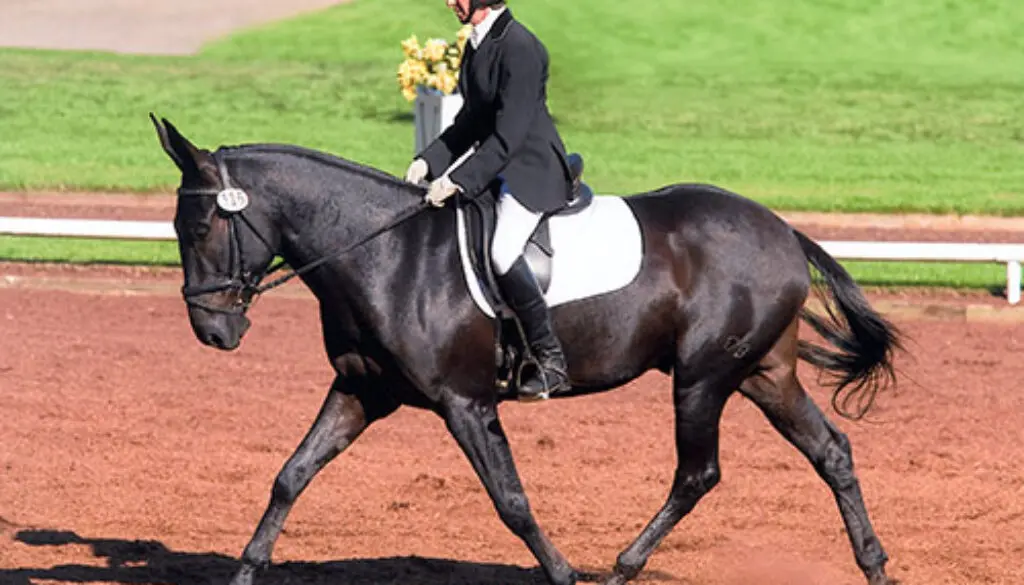
How to Begin Your Dressage Journey
Starting with this discipline doesn’t require a fancy horse or expensive equipment. What matters most is a commitment to learning and a willingness to work patiently with your horse. Here are some practical steps to get started:
- Find a qualified instructor: A knowledgeable coach can provide invaluable feedback and help you avoid common pitfalls.
- Focus on groundwork: Before mounting, spend time on the ground building trust and respect. For more tips, check out these ways to build trust with your horse.
- Start with basics: Work on transitions, circles, and straight lines to establish rhythm and relaxation.
- Set realistic goals: Progress in dressage is gradual. Celebrate small improvements and stay patient.
- Observe and learn: Watch experienced riders, attend clinics, and read reputable resources. The Horse & Hound forum on starting dressage offers practical advice from seasoned equestrians.
Remember, every horse and rider pair is unique. Adapt your approach to suit your individual needs and always prioritize the well-being of your horse.
Common Movements and Tests in Dressage
As you progress, you’ll encounter a variety of movements and tests designed to showcase your horse’s training and your skill as a rider. Some of the most common include:
- Circles: Help develop suppleness and balance.
- Transitions: Smooth changes between gaits demonstrate obedience and responsiveness.
- Lateral work: Movements like leg-yield, shoulder-in, and haunches-in improve flexibility and coordination.
- Extended and collected gaits: Showcases the horse’s ability to lengthen and shorten stride while maintaining rhythm.
Dressage competitions feature a series of prescribed tests, each with increasing levels of difficulty. Riders are judged on accuracy, fluidity, and the overall harmony between horse and rider.
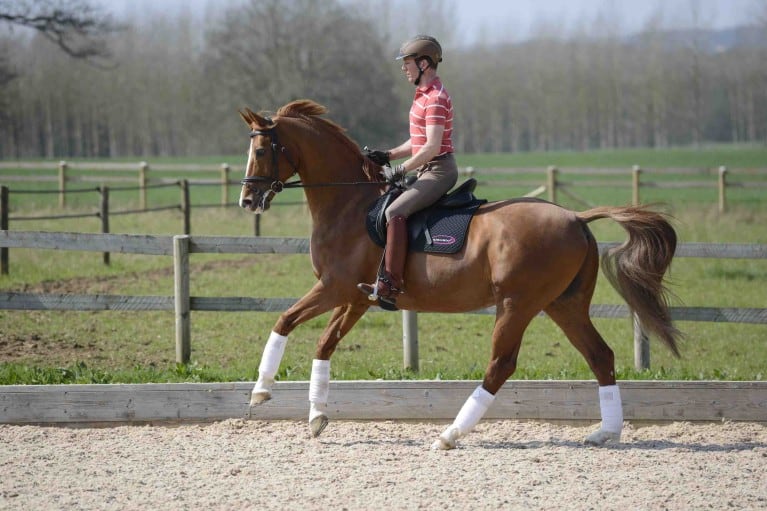
Benefits of Dressage for Horses and Riders
Engaging in this type of training offers a wide range of benefits for both horse and rider. For horses, it promotes physical fitness, mental engagement, and a calm demeanor. Riders develop better balance, coordination, and a deeper understanding of equine behavior.
Many equestrians also find that the skills gained through dressage carry over into other disciplines, from jumping to trail riding. The focus on clear communication and mutual respect lays the groundwork for a positive, lasting partnership.
If you’re interested in learning more about how horses express affection and build bonds, explore these insights on horse affectionate gestures.
Frequently Asked Questions
What Are the Main Goals of Dressage Training?
The primary objectives are to develop a horse’s balance, flexibility, and responsiveness while fostering a harmonious relationship with the rider. This approach emphasizes calmness, precision, and willingness to perform a variety of movements.
Can Any Horse Participate in Dressage?
Yes, horses of all breeds and backgrounds can benefit from this training. While some breeds may excel at higher levels, the foundational skills are valuable for every horse, regardless of discipline or experience.
How Long Does It Take to See Progress?
Progress depends on factors such as the horse’s age, temperament, and previous training, as well as the rider’s consistency. Most horses show improvement in rhythm and responsiveness within a few weeks, but mastering advanced movements can take years of dedicated practice.
Is Dressage Only for Competitive Riders?
Not at all. While many riders enjoy competing, the principles of dressage are beneficial for anyone seeking to improve their horsemanship and build a stronger bond with their horse. The focus on communication and partnership makes it accessible to riders of all interests.
Conclusion
Dressage is more than a competitive sport; it’s a journey of partnership, patience, and continuous learning. By focusing on the fundamentals, setting realistic goals, and prioritizing the well-being of your horse, you can enjoy the many rewards that this classical discipline offers. Whether you’re aiming for the show ring or simply want to deepen your connection with your horse, the principles of dressage provide a solid foundation for success.
For those interested in further strengthening their relationship with their horse, consider exploring topics like how to gain respect from your horse or understanding why horses follow you. Each step you take in your equestrian journey brings you closer to a more rewarding partnership.