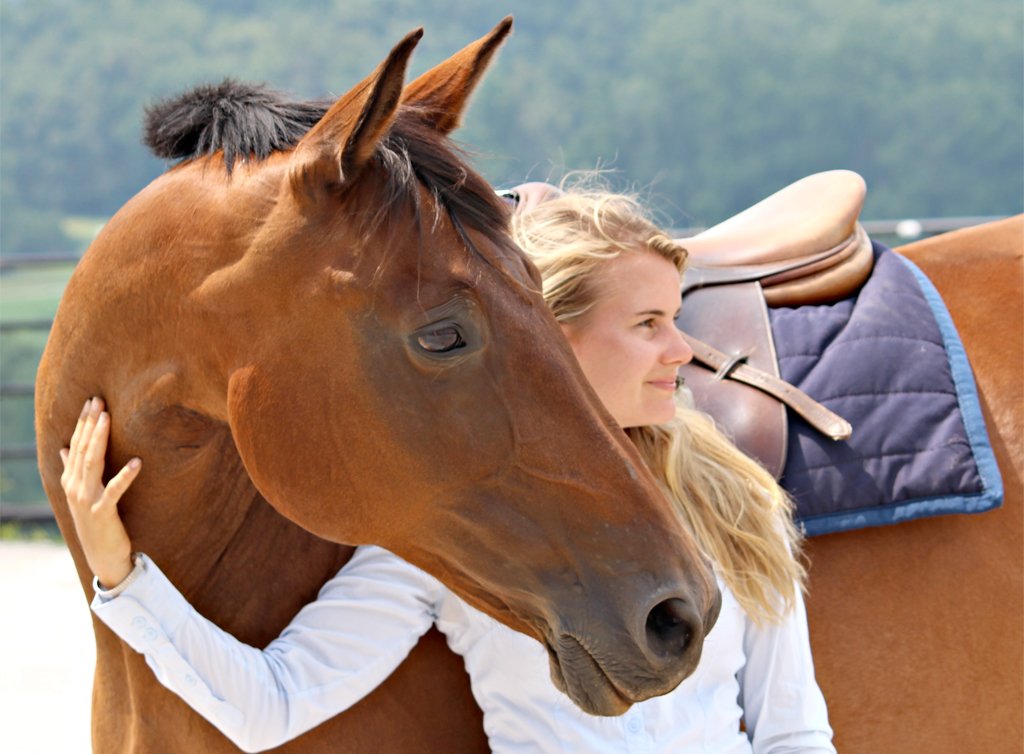
Establishing a consistent and effective warm-up routine for dressage is essential for both horse and rider. A well-structured warm-up not only prepares the horse physically but also helps build mental focus, flexibility, and responsiveness. Riders at every level benefit from understanding how to tailor their preparation to meet the demands of dressage, ensuring optimal performance and reducing the risk of injury.
This guide explores the key principles behind effective warm-ups, outlines step-by-step routines, and provides practical tips for customizing your approach. Whether you’re preparing for a schooling session or entering the competition arena, a thoughtful warm-up sets the foundation for success. For those interested in advancing their skills further, the shoulder-in dressage exercise is an excellent way to build on the basics discussed here.
Why a Thoughtful Warm-Up Matters in Dressage
Dressage is a discipline that demands precision, suppleness, and clear communication between horse and rider. The warm-up phase is not just about loosening muscles; it’s about establishing rhythm, relaxation, and connection. Skipping or rushing this phase can lead to stiffness, tension, and even behavioral issues during the main work.
A proper warm-up gradually increases the horse’s heart rate, promotes circulation, and prepares joints and muscles for more challenging movements. It also allows the rider to assess the horse’s mood and physical condition on that particular day, making it easier to adapt the session as needed.
Key Elements of Effective Warm-Up Routines
Every warm-up routine for dressage should incorporate several core elements:
- Progressive intensity: Begin with easy movements and gradually increase the difficulty.
- Variety in gaits: Use walk, trot, and canter to engage different muscle groups.
- Suppling exercises: Incorporate circles, serpentines, and lateral work to encourage flexibility.
- Transitions: Practice smooth changes between gaits and within gaits to sharpen responsiveness.
- Focus on relaxation: Ensure the horse remains calm and attentive throughout the process.
Step-by-Step Guide to Dressage Warm-Ups
While every horse is unique, the following structure provides a reliable framework for most dressage warm-ups. Adjust the duration and intensity based on your horse’s age, fitness, and temperament.
1. Initial Walk (5–10 Minutes)
Start with a relaxed, free walk on a long rein. Allow the horse to stretch its neck and back, encouraging a swinging stride. This phase helps both horse and rider settle into the session and gives you a chance to observe your horse’s movement and attitude.
2. Working Walk and Trot (10–15 Minutes)
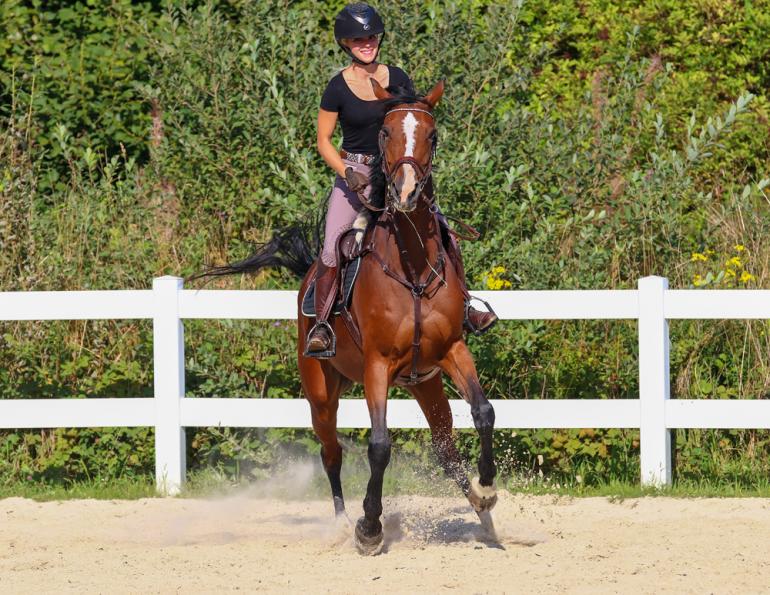
Gradually shorten the reins and ask for a more active walk, then transition into a forward, rhythmic trot. Use large circles, changes of rein, and gentle serpentines to promote suppleness and even contact. Focus on keeping the horse straight and attentive.

3. Introducing Canter and Transitions (5–10 Minutes)
Once the horse is moving freely in trot, introduce canter work on both reins. Use large circles to maintain balance and avoid rushing. Incorporate transitions between walk, trot, and canter to engage the hindquarters and improve attentiveness. Practicing transitions within the gaits (e.g., lengthening and shortening the stride) is also beneficial.
4. Suppling and Lateral Movements (5–10 Minutes)
Add in basic lateral work such as leg yield, shoulder-in, or gentle haunches-in. These exercises encourage the horse to bend through the body and step under with the hind legs, promoting flexibility and engagement. For more details on these movements, see the dressage lateral movements explained guide and the leg yield dressage training resource.
5. Final Relaxation and Stretch (5 Minutes)
Conclude the warm-up with a return to a long, relaxed walk on a loose rein. Allow the horse to stretch down and relax, reinforcing positive associations with the warm-up process.
Customizing Your Warm-Up for Different Horses
No two horses are exactly alike. Some may need longer to loosen up, while others are ready to work after a brief walk and trot. Pay attention to your horse’s reactions and adjust the routine accordingly. For example, younger or greener horses may benefit from a longer walk, while more experienced mounts might need additional suppling exercises.
Weather, footing, and the horse’s workload on previous days should also influence your approach. On colder days, extend the walk and include more gradual transitions. If your horse is coming back from a break, keep the intensity lower and focus on relaxation.
Common Mistakes to Avoid During Dressage Warm-Ups
- Skipping the walk: Jumping straight into trot or canter can lead to stiffness and tension.
- Overdoing lateral work: Too much lateral movement too soon can tire the horse and reduce engagement.
- Ignoring the horse’s feedback: If your horse seems tense or resistant, return to basics and focus on relaxation before progressing.
- Rushing transitions: Take time to prepare for each transition, ensuring the horse remains balanced and attentive.
Integrating Warm-Up Principles Into Your Training
Consistency is key. Make your warm-up routine a non-negotiable part of every ride, whether you’re schooling at home or competing. Over time, your horse will learn what to expect, making the process smoother and more effective. For additional insights on transitions, the article on how to ride correct dressage transitions offers practical advice.
Remember, the goal is not just to prepare for the work ahead but to build a partnership based on trust and communication. A thoughtful warm-up is an investment in your horse’s long-term soundness and your own progress as a rider.
Further Resources and Learning
Riders seeking to refine their approach can benefit from exploring additional resources. For example, the haunches-in dressage training guide provides step-by-step instructions for integrating advanced suppling exercises into your routine.
For a comprehensive overview of basic dressage techniques and foundational skills, the step-by-step guide to basic dressage is a valuable external resource.
Frequently Asked Questions
How long should a dressage warm-up last?
Most dressage warm-ups take between 20 and 30 minutes, but the exact duration depends on your horse’s age, fitness, and temperament. Focus on quality rather than the clock, ensuring your horse is relaxed, supple, and attentive before moving on to more advanced work.
What are the most important exercises to include?
Key exercises include a relaxed walk on a long rein, working trot with circles and serpentines, transitions between and within gaits, and basic lateral movements such as leg yield or shoulder-in. These movements help develop flexibility, engagement, and focus.
Can I use the same warm-up routine for every horse?
While the basic structure remains similar, it’s important to tailor your approach to each horse’s needs. Some horses may need more time to loosen up, while others benefit from additional suppling or relaxation work. Always pay attention to your horse’s feedback and adjust as necessary.