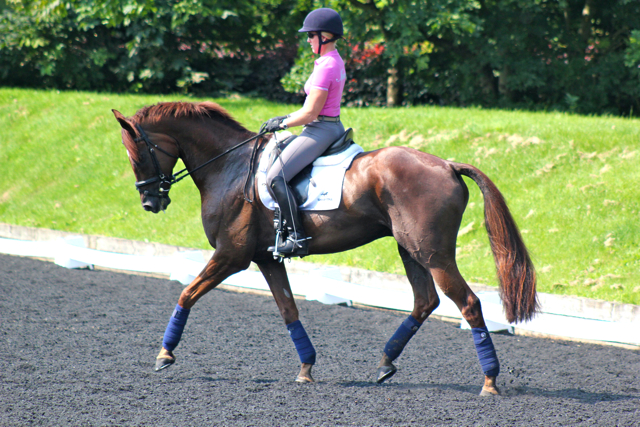
The shoulder-in dressage exercise is a foundational lateral movement in classical riding, valued for its ability to improve suppleness, engagement, and straightness in the horse. This guide offers a practical breakdown of how to introduce, ride, and refine this essential movement, whether you are new to dressage or looking to advance your training. Understanding the mechanics and benefits of shoulder-in can help riders and trainers unlock new levels of performance and harmony with their horses.
Before diving into the step-by-step process, it’s helpful to review related skills that support success with lateral work. For example, developing an independent seat and effective leg aids are crucial for clear communication during movements like shoulder-in. You may find it useful to review how to develop an independent seat as a foundation for this exercise.
What Is the Shoulder-In Movement?
The shoulder-in is a lateral movement performed on three tracks, where the horse’s shoulders are brought slightly inside the track while the hindquarters remain on the original line. The horse is bent around the rider’s inside leg, with the neck and head flexed just enough to see the inside eye. This movement is typically introduced at the walk or trot and is a staple in both training and competition.
Riders use the shoulder-in to develop the horse’s ability to step under with the inside hind leg, improving engagement and balance. It also encourages suppleness through the ribcage and helps correct natural crookedness, making it a versatile tool for riders at all levels.
Benefits of Practicing Shoulder-In Dressage Exercise
Regularly working on this lateral movement offers a range of benefits for both horse and rider. Some of the key advantages include:
- Improved suppleness: Encourages the horse to bend through the body and become more flexible.
- Enhanced engagement: Activates the inside hind leg, promoting better impulsion and carrying power.
- Straightness: Helps correct asymmetries and teaches the horse to move evenly on both reins.
- Better connection: Reinforces the concept of riding from the inside leg to the outside rein, a principle discussed in detail in resources like effective leg aids in dressage.
- Preparation for advanced work: Lays the groundwork for more complex lateral movements such as travers and half-pass.
How to Prepare for Shoulder-In
Before introducing shoulder-in, ensure your horse is comfortable with basic aids and can maintain a steady rhythm on straight lines and large circles. It’s also important that the rider has a balanced seat and steady hands. Reviewing hand position in dressage riding can help you maintain the correct rein contact during lateral work.
Warm up with exercises that encourage relaxation and bend, such as circles, serpentines, and leg-yield. These movements help prepare both horse and rider for the increased coordination required in shoulder-in.
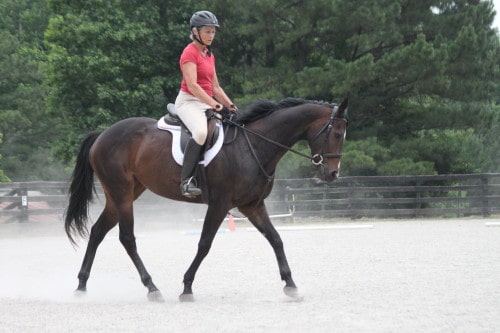
Step-by-Step: Riding the Shoulder-In
To successfully ride this lateral movement, follow these steps:
- Begin on a straight line: Ride down the long side of the arena in a balanced walk or trot.
- Establish bend: Gently ask for inside flexion at the poll, just enough to see the horse’s inside eye. Use your inside leg at the girth to encourage bend through the body.
- Move the shoulders in: With a slight opening of the inside rein and a steady outside rein, bring the horse’s shoulders off the track while keeping the hindquarters on the original line. Your outside leg supports behind the girth to prevent the quarters from swinging out.
- Maintain rhythm and alignment: Keep the horse’s body bent around your inside leg, and ensure the neck does not overbend. The movement should be smooth, with the horse stepping forward and sideways.
- Return to the track: After several strides, straighten the horse and continue along the wall, rewarding with a softening of the aids.
Consistency is key. Start with a few strides at a time, gradually increasing as the horse gains strength and understanding. If you encounter resistance, return to circles or leg-yield to reestablish relaxation and bend.
Common Mistakes and How to Fix Them
Even experienced riders can encounter challenges with lateral work. Here are some typical errors and solutions:
- Overbending the neck: Focus on bending the whole body, not just the head and neck. Use your inside leg to create bend, not just the rein.
- Losing rhythm: If the tempo changes, return to a straight line and reestablish a steady pace before trying again.
- Quarters drifting off the track: Use your outside leg and rein to keep the hindquarters aligned.
- Insufficient angle: Aim for about 30 degrees from the wall, creating three tracks. Too little angle reduces the effectiveness of the exercise.
For more insights on maintaining balance and alignment, see dressage rider balance tips for practical advice.
Tips for Progressing Your Lateral Work
Once you and your horse are comfortable with shoulder-in at the walk, progress to trot and eventually canter. Incorporate the movement on both reins to develop evenness. You can also ride shoulder-in on the quarter line or centerline for increased difficulty and to check straightness.
Integrating transitions and changes of bend within your schooling sessions keeps the horse attentive and responsive. Remember, patience and consistency are essential for developing true suppleness and engagement.
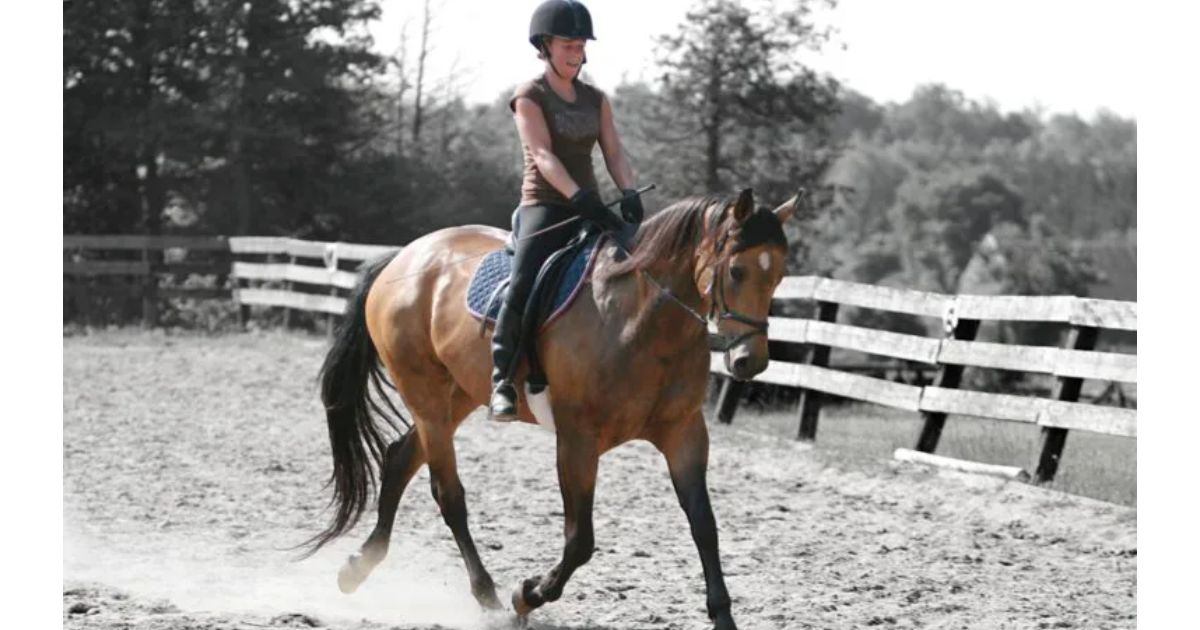
Shoulder-In Dressage Exercise in Training and Competition
This movement is not only a valuable training tool but also appears in many dressage tests from lower to higher levels. Judges look for correct bend, steady rhythm, and clear three-track alignment. Practicing at home with attention to detail prepares you for success in the show ring.
If you’re just starting out with dressage, you might find it helpful to read discussions such as tips for getting started with dressage for additional perspectives and advice from experienced riders.
Frequently Asked Questions
How do I know if my horse is correctly performing shoulder-in?
A correct shoulder-in features three tracks: the inside hind leg, the outside hind and inside foreleg together, and the outside foreleg. The horse should be bent around the rider’s inside leg, moving forward with a steady rhythm and without resistance. The neck should not be overbent, and the horse should remain relaxed and attentive.
What are the most common rider mistakes in lateral work?
Common errors include using too much inside rein, causing overbending of the neck; failing to maintain rhythm; and not supporting with the outside aids, which can cause the quarters to drift. Riders should focus on using their seat and legs to guide the movement, keeping the aids subtle and coordinated.
Can shoulder-in help with other dressage movements?
Yes, practicing this exercise improves the horse’s ability to bend, engage the hindquarters, and respond to lateral aids. These qualities are essential for more advanced movements like travers, renvers, and half-pass. Mastering shoulder-in lays a strong foundation for progressing through the levels of dressage.
Conclusion
Mastering the shoulder-in dressage exercise is a rewarding process that builds communication, balance, and athleticism in both horse and rider. By understanding the mechanics, practicing with patience, and addressing common challenges, you can make this classical movement a valuable part of your dressage toolkit. For further reading on related skills, explore resources such as rider aids in dressage explained to deepen your understanding of effective riding techniques.