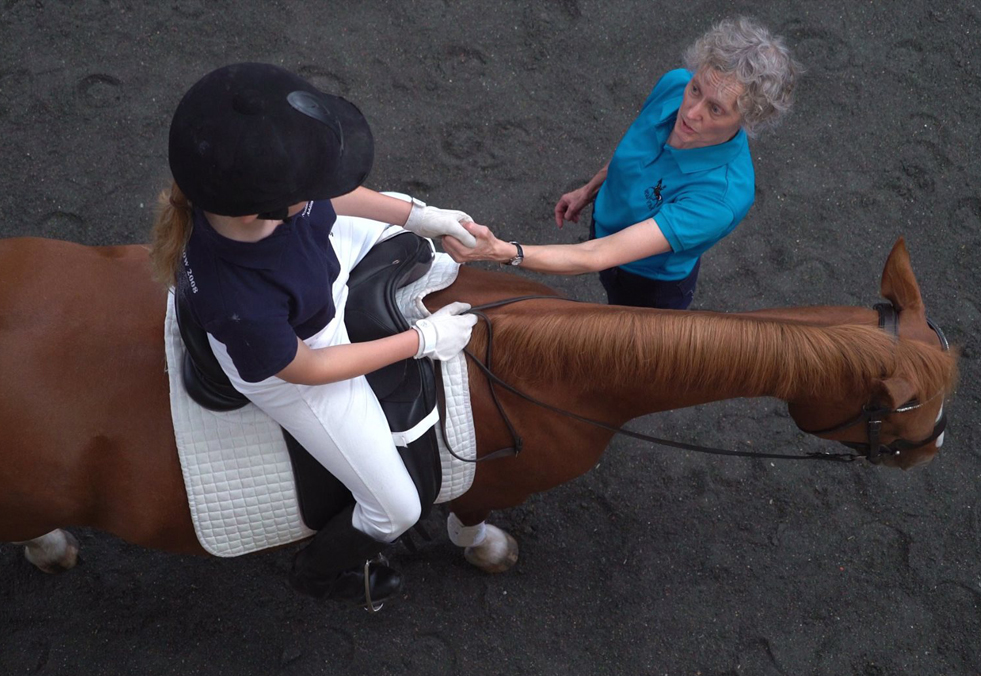
Dressage is often described as the art of harmonious communication between horse and rider. At the heart of this discipline are the subtle signals, or rider aids, that guide the horse through intricate movements with precision and grace. Understanding how these aids work—and how to apply them effectively—is essential for anyone looking to progress in dressage, whether you are a beginner or aiming for advanced levels.
This article offers a comprehensive look at the main types of aids, how they interact, and practical tips for refining your technique. Along the way, you’ll find helpful resources, including guidance on correct rider position in dressage, to support your journey toward better communication and performance in the arena.
The Fundamentals of Rider Communication
In dressage, rider aids are the means by which a rider communicates intentions to the horse. These signals can be divided into three main categories: natural aids, artificial aids, and the combination of both. The goal is to use these cues with subtlety, so the horse responds willingly and without confusion.
- Natural aids include the seat, legs, hands, and voice.
- Artificial aids refer to tools like whips and spurs, used to reinforce natural signals.
- Effective riding requires a blend of both, always prioritizing clarity and consistency.
Before diving into the specifics, it’s important to recognize that the effectiveness of these signals depends on the rider’s posture and balance. For more on this, see our guide on dressage seat basics.
Understanding the Seat: The Core of Subtlety
The seat is often considered the most influential of all aids. By shifting weight or adjusting pelvic position, a rider can signal transitions, turns, and even collection. A well-balanced seat allows the rider to communicate with minimal visible movement, creating a seamless connection with the horse.
Developing a sensitive seat starts with body awareness. Riders should focus on aligning their shoulders, hips, and heels, maintaining a supple lower back, and following the horse’s motion. This foundation enables more refined use of other aids and helps prevent common rider mistakes in dressage that can disrupt communication.
Leg and Hand Aids: Directing and Shaping the Horse
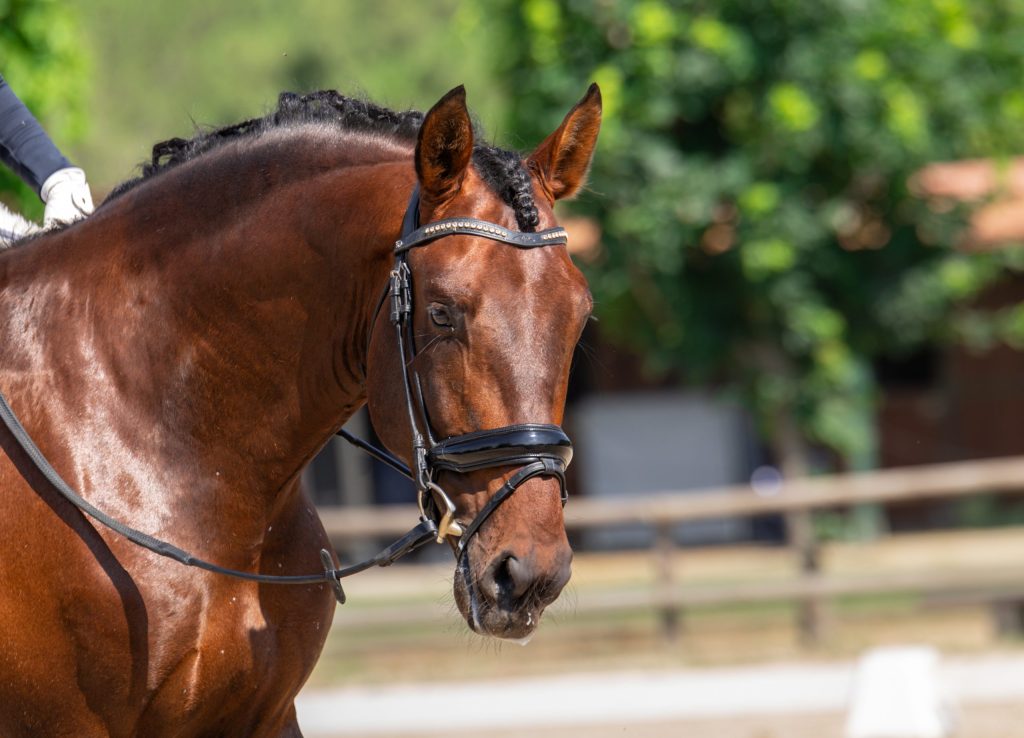
The legs and hands are the primary tools for guiding and shaping the horse’s movement. Leg signals encourage forward motion, control lateral movements, and help with bending. Hands, through the reins, influence direction, pace, and collection.
Leg Aids in Detail
Proper use of the legs involves more than just squeezing. The position, pressure, and timing all matter. For example:
- Applying both legs evenly asks the horse to move forward.
- Using one leg at the girth can encourage bending or lateral movement.
- Behind the girth, a leg can ask for more engagement from the hindquarters.
Riders should strive for subtlety, using the lightest possible cue and increasing only as needed.
Hand Aids and Rein Contact
Hands communicate through the reins, but effective signals come from the entire arm, not just the fingers. Maintaining a soft, elastic contact allows for clear communication without restricting the horse’s movement. Key principles include:
- Short, gentle squeezes for half-halts or transitions.
- Consistent, steady contact to support balance and rhythm.
- Coordinating hand and seat aids for advanced movements like collection.
For more on improving your alignment and rein control, our article on how to improve dressage riding position offers practical exercises.
Voice and Artificial Aids: Reinforcement and Refinement
While not always permitted in competition, the voice can be a valuable tool in training. Soft verbal cues can reassure, encourage, or correct the horse, especially when introducing new exercises.
Artificial aids, such as whips and spurs, should be used sparingly and only to reinforce natural signals. Their purpose is not to punish, but to clarify the rider’s request when the horse does not respond to lighter cues. Proper timing and restraint are essential to avoid confusion or resistance.
Coordination and Timing: The Key to Effective Dressage Signals
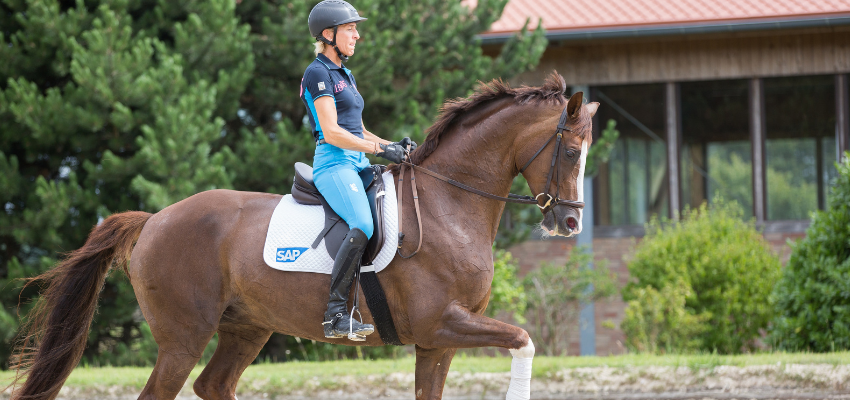
The true art of dressage lies in coordinating all aids so they work together seamlessly. This requires practice, patience, and a keen sense of timing. For example, asking for a transition involves preparing the horse with the seat, supporting with the legs, and guiding with the hands—all in a smooth sequence.
Riders should also be aware of their own body language, as unintentional movements can send mixed messages. Regular feedback from a qualified instructor and video analysis can help identify areas for improvement. For those interested in optimizing their horse’s readiness, our resource on conditioning a horse for dressage provides valuable insights.
Common Challenges and How to Overcome Them
Even experienced riders encounter difficulties with consistency and clarity. Some frequent issues include:
- Overusing one aid, leading to dullness or resistance.
- Inconsistent timing, causing confusion for the horse.
- Poor posture, which can block or distort signals.
Addressing these challenges often involves returning to basics—checking alignment, practicing transitions, and ensuring that each cue is as light and clear as possible. For further troubleshooting, our article on common rider mistakes in dressage highlights frequent pitfalls and solutions.
Maximizing Performance with Balanced Aids
To achieve the highest marks in dressage, riders must demonstrate not only technical skill but also harmony and subtlety in their communication. A balanced approach to using aids allows the horse to move freely, maintain rhythm, and perform complex movements with ease.
For expert advice on improving balance, suppleness, and collection, consider reading these tips from a professional dressage rider.
Frequently Asked Questions
What are the most important natural aids in dressage?
The seat, legs, and hands are the primary natural aids. The seat influences balance and transitions, legs encourage forward and lateral movement, and hands guide direction and tempo. All should be used in harmony for effective communication.
How can I improve the subtlety of my signals?
Focus on developing a balanced, supple seat and maintaining steady contact with the reins. Practice giving the lightest possible cues and observe your horse’s responses. Consistency and timing are key to refining your technique.
When should artificial aids be used?
Artificial aids like whips and spurs are used to reinforce natural signals when the horse does not respond to lighter cues. They should be applied sparingly and always with the goal of clarifying, not forcing, the horse’s understanding.
How do I know if my aids are effective?
An effective aid results in a prompt, willing response from the horse. If your horse seems confused or resistant, reassess your posture, timing, and the clarity of your signals. Seeking feedback from an experienced instructor can also be invaluable.
Conclusion
Mastering the use of rider aids is a lifelong pursuit for anyone passionate about dressage. By focusing on balance, subtlety, and coordination, riders can build a stronger partnership with their horses and achieve greater success in the arena. Remember to revisit foundational skills regularly and seek out resources, such as our guides on dressage seat basics and improving your riding position, to support ongoing progress.