Achieving progress in dressage requires a thoughtful balance between consistent schooling and allowing horses time to recover. Rest days in dressage training are not simply a break from work—they are a crucial part of any well-rounded program. Without adequate downtime, horses can experience mental fatigue, physical strain, and even setbacks in their development. Understanding how and why to incorporate rest into a dressage routine helps riders and trainers protect their equine partners’ health while maximizing long-term performance.
This article explores the science behind rest, practical scheduling strategies, and the benefits of downtime for both horse and rider. For those looking to deepen their understanding of dressage schooling, resources such as the shoulder-in dressage exercise guide offer additional insights into effective training techniques.
Why Scheduled Downtime Matters in Dressage
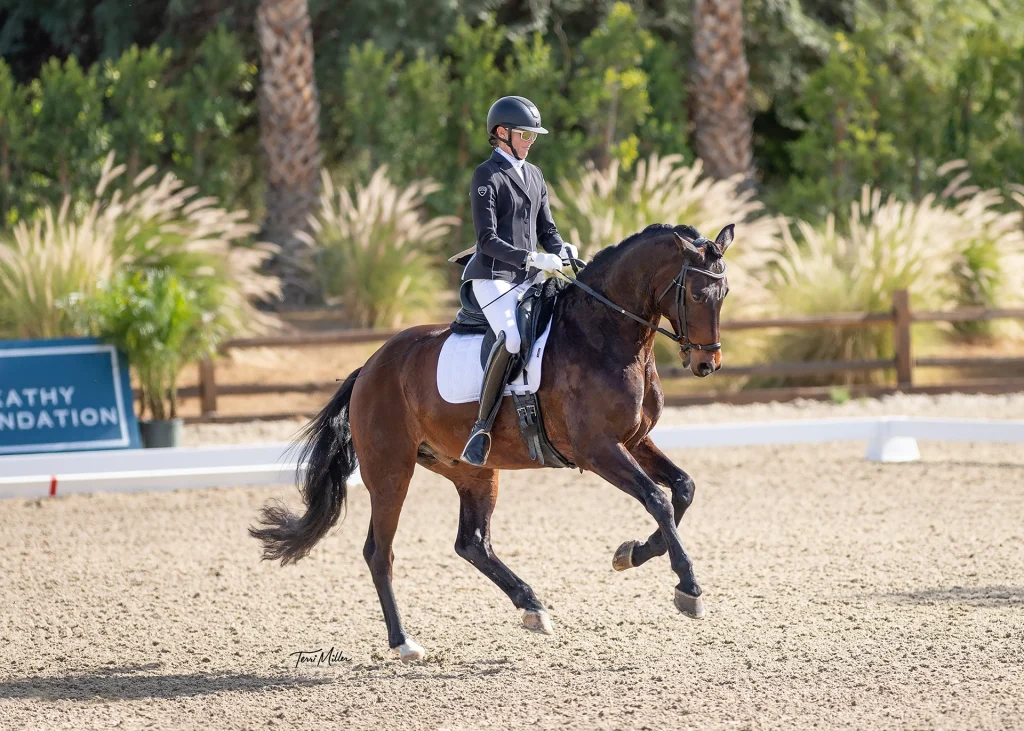
Horses involved in dressage face both physical and mental demands. The discipline requires strength, flexibility, and focus, which can only be developed through regular, structured work. However, just as important as the training itself is the opportunity for the horse to rest and recover.
Incorporating rest days in dressage training allows the horse’s muscles, tendons, and ligaments to repair and adapt. This downtime helps prevent overuse injuries and supports the development of stronger, more resilient tissues. Mentally, rest periods reduce the risk of burnout and keep horses engaged and willing in their work.
Research and practical experience both show that horses, like humans, benefit from a training schedule that includes periods of lower intensity or complete rest. This approach is echoed in many principles of progressive dressage training, which emphasize the importance of listening to the horse and allowing time for recovery.
Physical Benefits of Rest for Dressage Horses
The physical demands of dressage—from collected movements to lateral work—place significant stress on the horse’s body. Without proper breaks, even the most athletic horses can experience muscle soreness, joint strain, and fatigue.
- Muscle Recovery: Rest days give muscle fibers time to repair and strengthen after challenging sessions.
- Injury Prevention: Regular downtime reduces the risk of chronic injuries caused by repetitive strain.
- Improved Performance: Horses that are well-rested show better movement quality, suppleness, and willingness to work.
For riders focusing on advanced movements, such as those explained in the dressage lateral movements explained article, ensuring proper recovery is essential for both safety and progress.
Mental and Emotional Impact of Rest Days
Dressage is as much a mental challenge as it is a physical one. Horses that are pushed too hard without adequate breaks can become sour, resistant, or anxious. Scheduled downtime helps maintain a positive attitude toward training and fosters a stronger partnership between horse and rider.
- Reduced Stress: Time off from schooling allows horses to relax and decompress, reducing overall stress levels.
- Increased Motivation: Horses that enjoy their work are more likely to give their best effort during training sessions.
- Better Focus: Regular rest helps prevent mental fatigue, so horses stay attentive and responsive.
Riders working on new skills, such as those described in the leg yield dressage training guide, often notice improved learning and retention when horses are given time to process and rest between sessions.
How to Structure Rest Days in a Dressage Program
There is no one-size-fits-all formula for scheduling downtime, as each horse’s needs will vary based on age, fitness, workload, and temperament. However, some general guidelines can help riders and trainers create a balanced routine:
- Plan at Least One Full Day Off Per Week: Most dressage horses benefit from a complete break from schooling at least once weekly. This can be a day in the pasture, light hand-walking, or simply turnout.
- Alternate Intensity: Avoid scheduling back-to-back days of intense schooling. Mix in lighter sessions, hacks, or groundwork to give the horse’s body and mind a chance to recover.
- Listen to the Horse: Signs of fatigue, irritability, or stiffness may indicate the need for additional rest. Adjust the schedule as needed to prioritize the horse’s well-being.
- Use Rest for Reflection: Downtime is also valuable for the rider, providing an opportunity to review progress and plan future sessions.
For those refining their transitions and seeking to improve overall ride quality, the how to ride correct dressage transitions resource offers practical tips that can be incorporated alongside a balanced rest schedule.
Common Mistakes: Overtraining and Underestimating Rest
It can be tempting to push for rapid progress, especially when preparing for competitions or mastering new movements. However, neglecting the value of rest can lead to setbacks that are far more costly than taking a day off. Some common pitfalls include:
- Ignoring Early Signs of Fatigue: Subtle changes in attitude, movement, or performance often signal the need for a break.
- Skipping Rest After Competitions: Horses need time to recover after shows or clinics, even if they seem energetic.
- Not Adjusting for Age or Fitness: Young, green, or older horses may require more frequent downtime.
For those interested in advanced exercises, the haunches-in dressage training guide emphasizes the importance of gradual progression and adequate recovery.
Rest Day Activities That Support Dressage Progress
A day off from schooling does not have to mean complete inactivity. Many riders use downtime for activities that support overall well-being and training goals, such as:
- Turnout in a pasture or paddock for free movement and socialization
- Hand-walking or light in-hand stretching exercises
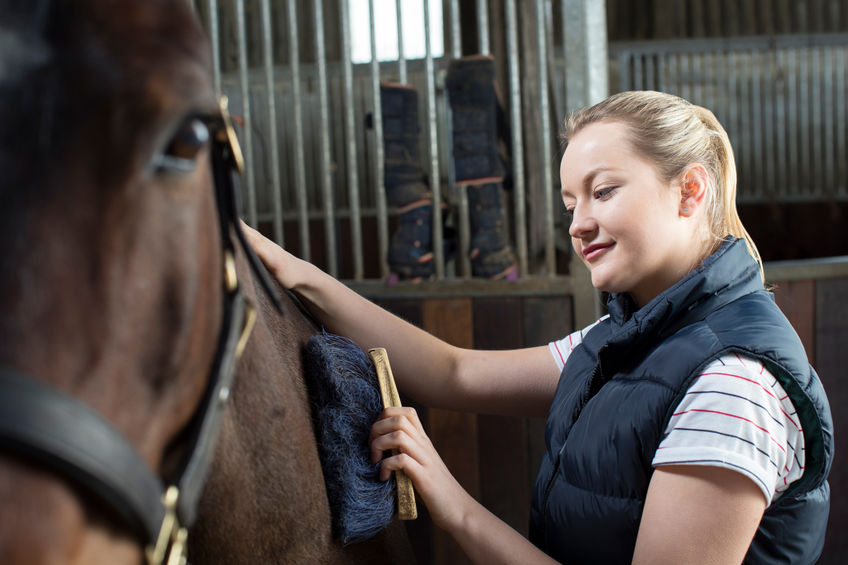
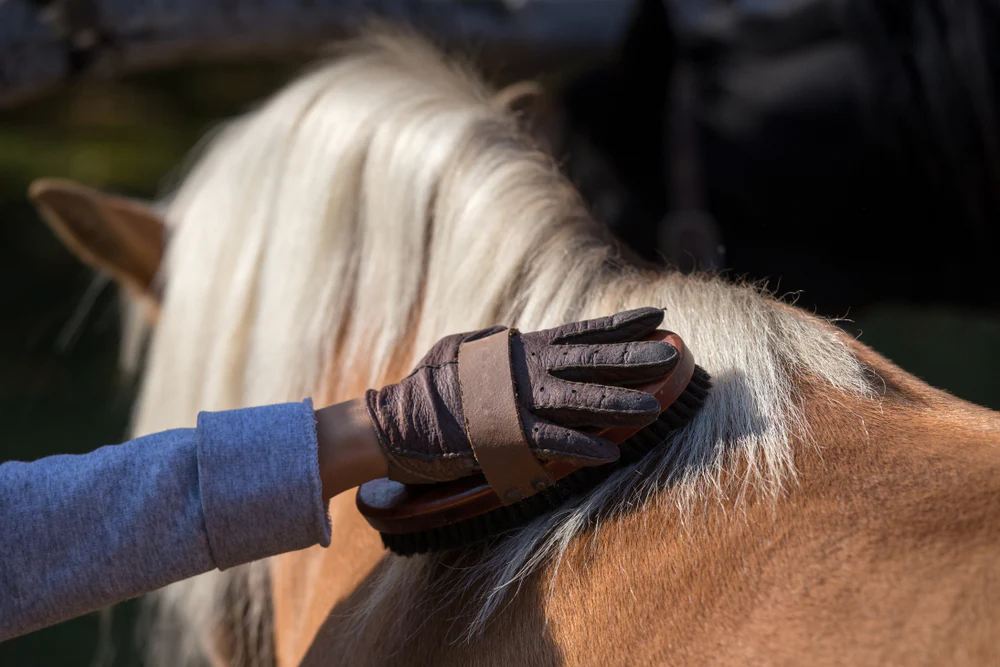
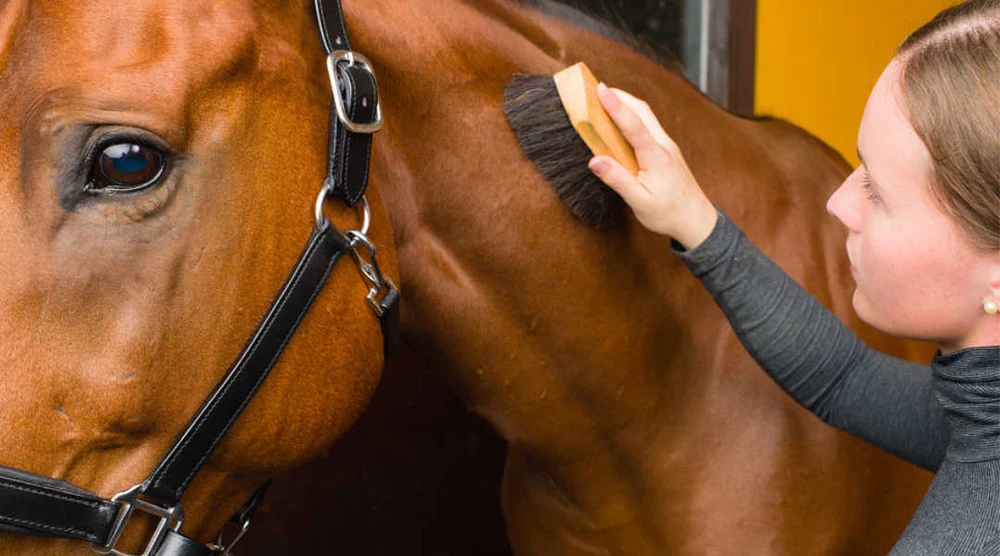
- Grooming and bonding time to strengthen the horse-rider relationship
- Checking tack and equipment for fit and safety
- Reviewing training videos or notes to plan future sessions
These activities help keep the horse engaged and healthy while still allowing for essential physical and mental recovery.
Frequently Asked Questions
How often should a dressage horse have a rest day?
Most experts recommend at least one full day off from schooling each week. However, the ideal frequency depends on the horse’s age, workload, and individual needs. Some horses may benefit from additional light days or active rest, especially during periods of intense training.
What are the signs that a horse needs more rest?
Signs include decreased enthusiasm for work, stiffness, irritability, or a decline in performance. Physical symptoms such as muscle soreness or reluctance to move forward can also indicate the need for more downtime.
Can rest days include light exercise?
Yes, rest does not always mean complete inactivity. Light hand-walking, turnout, or gentle stretching can be beneficial, as long as the horse is not being asked to perform demanding schooling exercises.
Conclusion
Integrating rest days in dressage training is essential for the health, happiness, and progress of both horse and rider. By respecting the need for recovery, trainers and riders set the stage for sustainable improvement and a more rewarding partnership. Thoughtful scheduling, attentive observation, and a willingness to adapt are the hallmarks of a successful dressage program.