

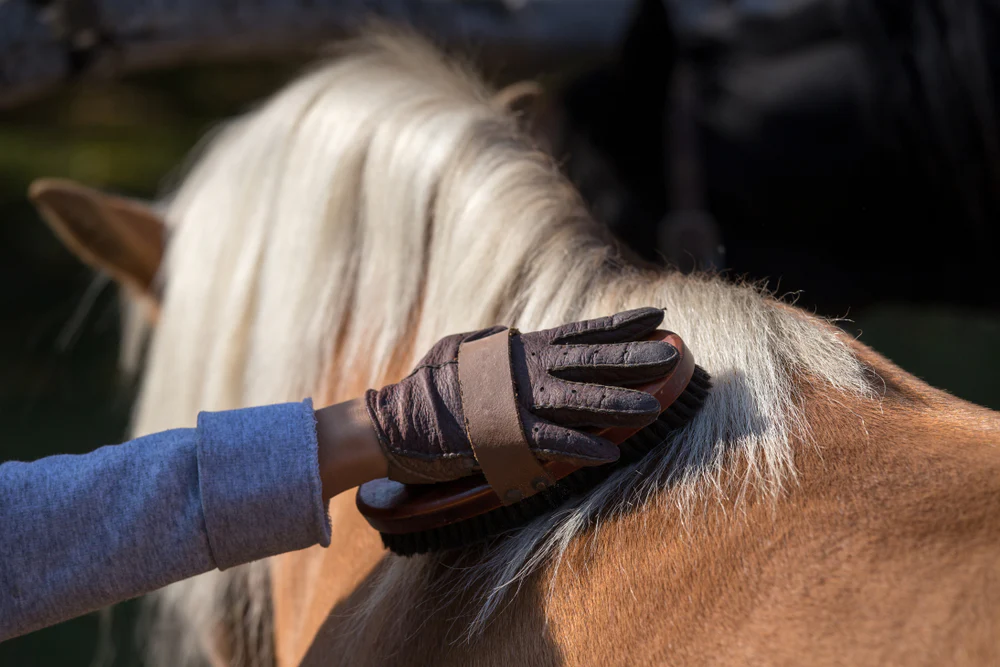
Keeping a horse clean and healthy is a fundamental part of responsible equine care. Proper horse grooming methods not only enhance a horse’s appearance but also support its overall well-being, comfort, and performance. Regular grooming helps prevent skin issues, improves circulation, and strengthens the bond between horse and handler. Whether you’re preparing for a show or simply maintaining daily health, understanding the right techniques and tools is essential.
Before diving into the step-by-step process, it’s important to recognize that grooming is about more than just brushing dirt away. It’s an opportunity to check for injuries, monitor your horse’s condition, and provide gentle, positive interaction. For those interested in other aspects of equestrian safety and equipment, you might also find value in learning how to choose a helmet for eventing to ensure safety during all riding activities.
Essential Tools for Effective Horse Care
To achieve the best results, assembling a complete grooming kit is the first step. The following items are considered staples for any horse owner or handler:
- Curry comb: Loosens dirt, mud, and loose hair from the coat.
- Hard brush (dandy brush): Removes the debris brought to the surface by the curry comb.
- Soft brush (body brush): Smooths the coat and removes finer dust and particles.
- Mane and tail comb: Detangles and cleans the mane and tail without causing breakage.
- Hoof pick: Cleans out hooves to prevent stones, mud, and manure from causing discomfort or infection.
- Sponge or cloth: Used for cleaning sensitive areas such as the face, eyes, and dock.
- Shedding blade or grooming block: Helps remove excess hair, especially during seasonal changes.
Investing in a quality grooming kit can make the process smoother and more enjoyable for both you and your horse. For those looking to upgrade their equipment, consider exploring options like the Buy Horse Grooming Kit for a comprehensive set.
Step-by-Step Guide to Daily Horse Grooming
Consistency is key when it comes to maintaining a horse’s coat and health. Here’s a practical approach to daily grooming using the most effective techniques:
1. Preparing Your Horse and Workspace
Begin by safely tying your horse in a quiet, well-lit area using a quick-release knot or cross-ties. Ensure your tools are within reach and free from debris. This preparation helps prevent accidents and keeps the process efficient.
2. Using the Curry Comb
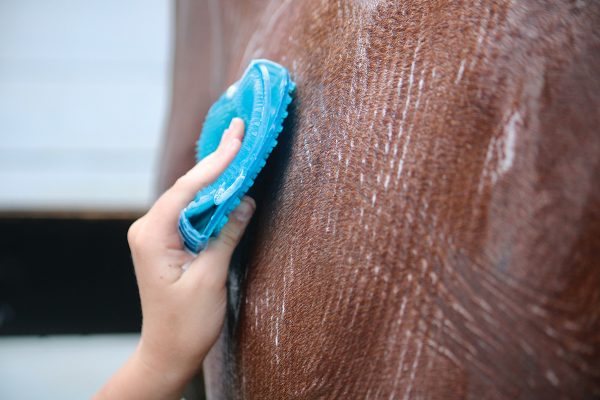
Start with the curry comb, moving in small, circular motions across the horse’s body. This loosens dirt, stimulates the skin, and brings natural oils to the surface. Avoid using the curry comb on sensitive areas like the face and legs.
3. Removing Dirt with the Hard Brush
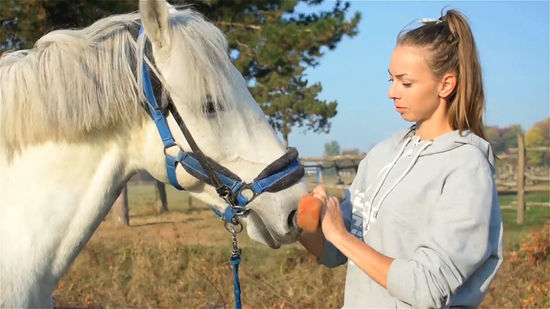
After currying, use the hard brush to flick away the loosened dirt and hair. Brush in short, firm strokes following the direction of the hair growth. This step is especially important for removing mud and dried sweat from the body and legs.
4. Smoothing the Coat with a Soft Brush
The soft brush is ideal for finishing the coat, especially on sensitive areas. Use long, gentle strokes to remove fine dust and add shine. This brush can also be used on the face and lower legs, where the skin is thinner.
5. Mane and Tail Care
Gently detangle the mane and tail using your fingers or a wide-toothed comb. Start at the bottom and work your way up to minimize breakage. For stubborn tangles, use a detangling spray or conditioner. Regular attention to the mane and tail keeps them healthy and reduces the risk of matting.
6. Cleaning the Hooves
Picking out the hooves is a crucial part of any grooming routine. Using a hoof pick, carefully remove dirt, stones, and manure from each hoof, paying special attention to the grooves (called the frog) where debris can accumulate. This helps prevent thrush and other hoof problems.
7. Wiping Sensitive Areas
Use a damp sponge or cloth to gently clean around the eyes, nostrils, and dock. Always use separate sponges for different areas to prevent the spread of bacteria. Be gentle and patient, as these areas can be sensitive.
Advanced Grooming Techniques for Show-Ready Results
For those seeking an extra level of polish, advanced grooming practices can make a significant difference. Clipping, trimming, and bathing are often used before competitions or special events. Regular use of a grooming block or shedding blade during seasonal coat changes helps keep the horse’s appearance tidy and reduces excess hair.
For more detailed information on grooming and care, the comprehensive guide to horse grooming provides additional tips and advice from experienced professionals.
Health Benefits of Consistent Grooming Practices
Adopting thorough grooming routines offers more than just a clean coat. Regular attention to your horse’s skin and hooves helps identify injuries, infections, or parasites early. Grooming also encourages healthy blood flow, supports muscle tone, and provides an opportunity for daily health checks.
Additionally, grooming can be a calming experience for horses, reducing stress and reinforcing trust. Horses that are groomed regularly tend to be more comfortable with handling, making veterinary care and farrier visits less stressful for everyone involved.
Common Mistakes to Avoid in Horse Grooming
Even experienced handlers can fall into habits that compromise the effectiveness of their grooming routine. Here are some pitfalls to watch out for:
- Using dirty or worn-out brushes, which can spread bacteria or irritate the skin.
- Neglecting the hooves, leading to the buildup of debris and potential infections.
- Brushing too aggressively, especially on sensitive areas, which can cause discomfort or injury.
- Skipping daily checks for cuts, swelling, or signs of illness.
- Failing to clean grooming tools regularly, reducing their effectiveness and hygiene.
By staying attentive and using proper horse grooming methods, you can avoid these issues and keep your horse in top condition.
Frequently Asked Questions
How often should I groom my horse?
Ideally, horses should be groomed daily. This not only keeps their coat and skin healthy but also allows for regular health checks. Horses in heavy work or those kept in stables may require more frequent grooming than those living outdoors.
What is the best way to clean a horse’s hooves?
Use a hoof pick to remove dirt, stones, and manure from each hoof, focusing on the grooves around the frog. Always check for signs of injury or infection, and consult a farrier if you notice anything unusual.
Can grooming help with horse behavior?
Yes, regular grooming can improve a horse’s behavior by building trust and reducing anxiety. Horses that are handled gently and consistently during grooming sessions are often easier to manage in other situations.
Are there specific brushes for sensitive areas?
Soft brushes or sponges are best for sensitive areas like the face and lower legs. Always use gentle strokes and avoid hard or stiff brushes on these parts of the body.
Where can I learn more about equestrian safety equipment?
For information on helmet safety, fitting, and standards, explore resources such as common equestrian helmet fitting mistakes and related articles on equestrian gear.