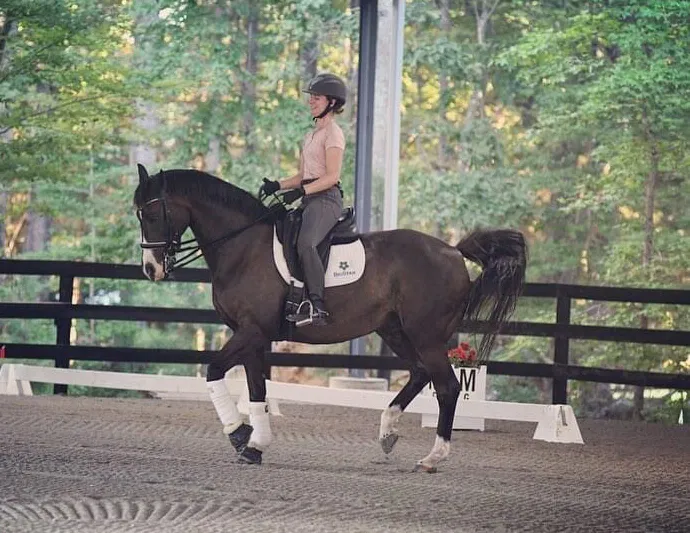
The world of dressage is evolving, and more riders are turning to positive reinforcement in dressage to build trust and motivation with their horses. This approach, rooted in behavioral science, focuses on rewarding desired behaviors, making the learning process enjoyable and effective for both horse and rider. Whether you are new to equestrian sports or seeking to refine your training methods, understanding how to apply positive techniques can transform your partnership and performance.
Traditional dressage often relies on pressure and release, but positive reinforcement offers an alternative that emphasizes clear communication and mutual respect. By integrating rewards such as treats, scratches, or verbal praise, riders can encourage their horses to offer behaviors willingly and with enthusiasm. This article explores the principles, benefits, and practical steps for using positive reinforcement in your daily training sessions.
If you’re interested in expanding your toolkit for advanced maneuvers, you might also find value in the shoulder-in dressage exercise guide, which complements the techniques discussed here.
Understanding Reward-Based Dressage Methods
At its core, positive reinforcement in dressage means reinforcing a horse’s correct response with something it values, immediately after the behavior occurs. This could be a food reward, a gentle pat, or enthusiastic praise. The goal is to increase the likelihood that the horse will repeat the desired action in the future.
Unlike negative reinforcement, which removes an unpleasant stimulus when the horse responds correctly, positive reinforcement adds a pleasant stimulus. This subtle shift can have a profound impact on a horse’s attitude toward training, making sessions more engaging and less stressful.
Benefits of Using Positive Techniques in Dressage
Incorporating positive reinforcement into your routine offers several advantages:
- Improved Motivation: Horses become eager participants, often offering behaviors with more energy and willingness.
- Stronger Bond: The trust built through reward-based training can deepen the relationship between horse and rider.
- Reduced Stress: Horses trained with positive methods often display fewer signs of anxiety or resistance.
- Clearer Communication: Immediate rewards help horses understand exactly which behavior is being reinforced.
These benefits are especially valuable in dressage, where precision and harmony are essential. Riders who use positive reinforcement often notice their horses become more attentive and responsive, both in groundwork and under saddle.
Getting Started with Positive Reinforcement in Dressage
To begin, select a reward your horse values highly. Many riders use small treats, but some horses respond just as well to scratches in their favorite spot or a cheerful “good boy!” The key is to deliver the reward immediately after the desired behavior, so the horse makes a clear connection between the action and the outcome.
Here’s a simple step-by-step process:
- Identify the Behavior: Decide what you want to reinforce—this could be standing still, yielding to the leg, or offering a specific movement.
- Mark the Behavior: Use a clicker or a consistent word (like “yes”) to signal the exact moment your horse does the right thing.
- Deliver the Reward: Immediately follow the marker with the chosen reward.
- Repeat and Build: Gradually shape more complex behaviors by reinforcing small steps toward your goal.
Consistency is crucial. Over time, your horse will begin to offer the desired behaviors more frequently, knowing that good things happen when they do.
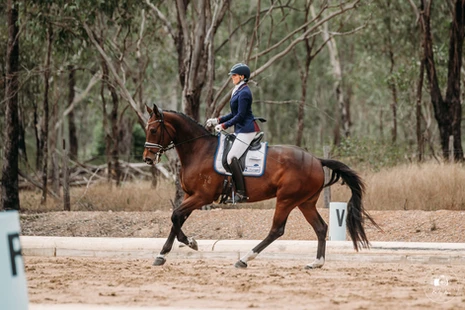
Common Mistakes and How to Avoid Them
While reward-based training is powerful, there are a few pitfalls to watch for:
- Timing Errors: Delayed rewards can confuse the horse. Always reward within a second or two of the desired action.
- Inconsistency: If you sometimes reward and sometimes don’t, your horse may become uncertain or frustrated.
- Overuse of Treats: Relying solely on food can lead to pushy behavior. Mix in praise and scratches to keep things balanced.
- Skipping Foundation Work: Make sure your horse understands basic cues before asking for more complex movements.
For more insights into foundational exercises, check out leg yield dressage training and how to ride correct dressage transitions to support your progress.
Integrating Positive Reinforcement with Classical Dressage
Many riders wonder if it’s possible to blend reward-based methods with traditional dressage principles. The answer is yes. Positive reinforcement can be used alongside classical techniques to clarify cues and motivate your horse. For example, after a successful half-pass or a well-executed halt, a timely reward can reinforce the horse’s understanding and willingness.
It’s also helpful to use positive reinforcement during groundwork and in-hand exercises, which lay the foundation for advanced movements. If you’re interested in lateral work, the dressage lateral movements explained resource provides valuable context for integrating these approaches.
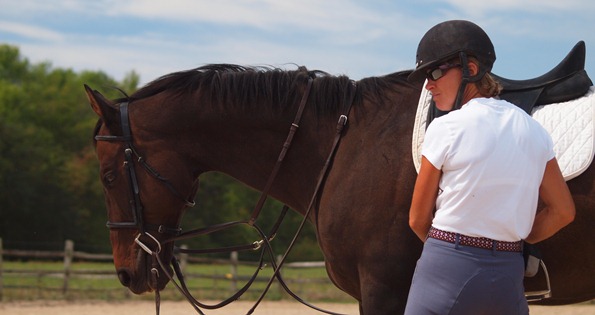
Tips for Success with Reward-Based Dressage
- Start Simple: Reinforce basic behaviors before progressing to advanced movements.
- Stay Patient: Every horse learns at its own pace. Celebrate small wins and build gradually.
- Be Observant: Watch for subtle signs that your horse is engaged or confused, and adjust your approach as needed.
- Mix Rewards: Use a variety of reinforcers to keep your horse interested and avoid over-reliance on any single type.
- Educate Yourself: Resources like getting started with dressage can provide further background and ideas for integrating positive methods.
Remember, the journey with your horse is ongoing. By focusing on clear communication and positive experiences, you’ll foster a partnership that thrives both in and out of the arena.
Frequently Asked Questions
Can positive reinforcement be used for all levels of dressage?
Yes, reward-based training is effective for horses at every stage, from young or green horses learning basic cues to advanced competitors mastering complex movements. The key is to tailor your rewards and expectations to your horse’s experience and temperament.
What types of rewards work best in dressage training?
Many horses respond well to small treats, but scratches, verbal praise, and even short breaks can be equally motivating. Observe what your horse enjoys most and use a mix to keep sessions engaging.
How do I prevent my horse from becoming pushy or food-oriented?
To avoid unwanted behaviors, reinforce manners such as standing quietly and waiting for the reward. Mix in non-food rewards and ensure that treats are only given for specific, requested behaviors.
Conclusion
Embracing positive reinforcement in dressage can lead to a more willing, confident, and happy equine partner. By focusing on clear, reward-based communication, you’ll not only improve performance but also deepen the bond you share with your horse. As you explore these techniques, remember to be patient, consistent, and open to learning—both for yourself and your horse.
For those looking to expand their knowledge further, exploring topics like haunches-in dressage training can provide additional tools for your training journey.