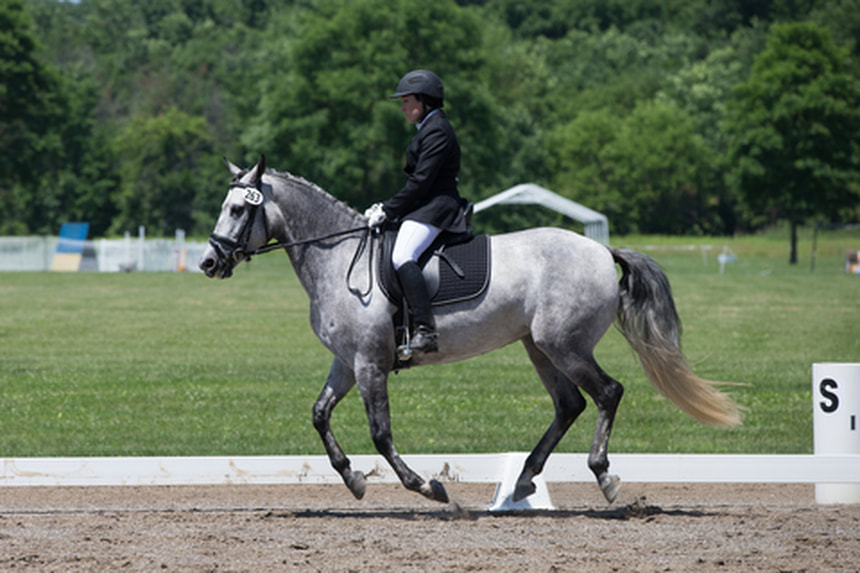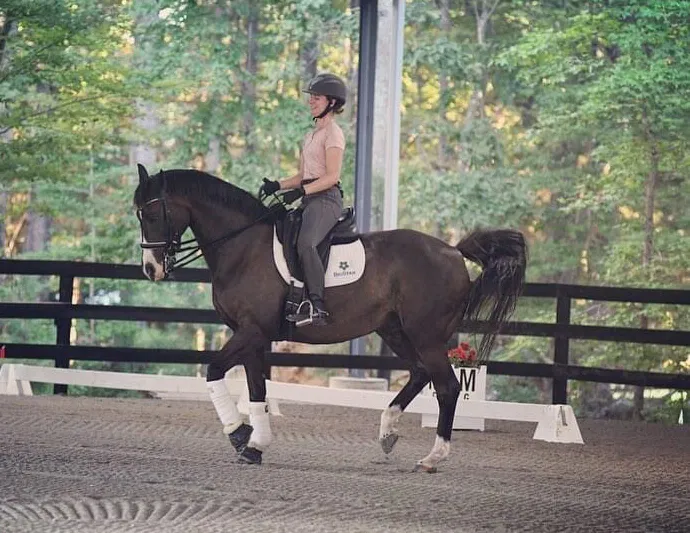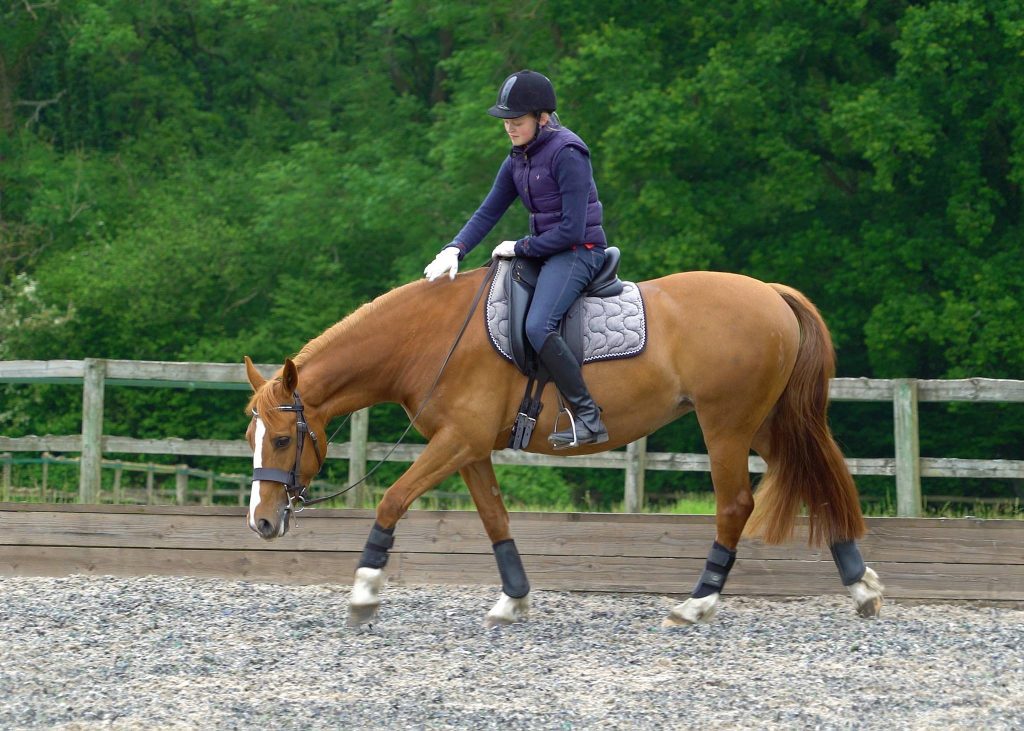
Incorporating pole work for dressage training into your horse’s schooling routine can bring a host of benefits, from improving rhythm and balance to encouraging greater engagement and suppleness. Whether you’re working with a young horse or refining the skills of an experienced dressage partner, strategically placed poles on the ground can help develop strength, flexibility, and focus. This guide will walk you through the essentials of using ground poles to enhance your dressage schooling, offering practical exercises and tips to help you get the most out of every session.
Before diving into specific exercises, it’s helpful to understand how pole exercises complement other foundational movements in dressage. For example, combining pole work with lateral movements such as those described in our dressage lateral movements explained article can further enhance your horse’s coordination and responsiveness.
Why Use Ground Poles in Dressage?
Ground poles are a versatile tool for riders at every level. They encourage horses to lift their legs, stretch their topline, and pay close attention to their footwork. For dressage riders, this translates into improved cadence, increased engagement of the hindquarters, and better overall balance. Poles can also help address common training challenges, such as rushing, stiffness, or lack of straightness.
Integrating pole exercises into your routine provides mental stimulation for your horse, breaking up the monotony of flatwork and keeping sessions interesting. Many trainers find that horses become more attentive and willing when poles are introduced, as the visual and physical challenge encourages them to focus and participate actively in the work.
Setting Up for Success: Safety and Preparation
Before starting any pole exercises, ensure your arena is safe and free from hazards. Use poles that are smooth, brightly colored, and heavy enough not to roll easily. Space the poles appropriately for your horse’s stride length—typically, 4 to 5 feet apart for walk, 4.5 to 5.5 feet for trot, and 9 to 10 feet for canter. Always begin with a thorough warm-up, allowing your horse to loosen up and stretch before introducing poles.
Riders should wear appropriate safety gear, including a helmet and suitable footwear. If you’re new to pole work, consider enlisting the help of a knowledgeable ground person or instructor to ensure correct distances and provide feedback.
Essential Pole Exercises for Dressage Horses
There are countless ways to use poles to support your horse’s development. Below are several foundational exercises that can be adapted for horses at various stages of training.
Walk and Trot Poles for Rhythm and Straightness
Laying out a series of poles in a straight line encourages your horse to maintain a steady tempo and straight body alignment. Begin at the walk, allowing your horse to step over each pole in a relaxed manner. Progress to the trot, focusing on keeping an even rhythm and straightness through your aids. This exercise helps develop regularity and encourages your horse to push evenly from behind.
Fan or Arc Arrangements for Suppleness
Arranging poles in a fan or arc shape allows you to ride curved lines, which is excellent for improving suppleness and bend. By riding through the wider or narrower parts of the arc, you can adjust the difficulty and encourage your horse to stretch through their body. This setup is particularly useful for horses that tend to be stiff or resistant to bending.
Raised Poles for Engagement and Strength
Once your horse is comfortable with ground poles, try raising one or both ends of the poles slightly. This encourages greater engagement of the hindquarters and strengthens the topline. Raised poles also help improve coordination and proprioception, making them a valuable addition to your schooling routine.
Integrating Poles with Dressage Movements
To maximize the benefits of pole exercises, combine them with lateral work and transitions. For example, riding shoulder-in or leg yield over poles can help reinforce correct alignment and encourage your horse to step under more actively. Our shoulder-in dressage exercise guide offers further insights into integrating lateral movements with pole work.
Practicing transitions—such as walk-trot or trot-canter—before and after pole exercises can help your horse stay attentive and responsive. This approach also allows you to assess how the pole work is influencing your horse’s balance and engagement.
Tips for Effective Pole Sessions
- Start simple: Begin with a small number of poles and basic patterns before progressing to more complex arrangements.
- Focus on quality: Prioritize rhythm, relaxation, and straightness over speed or quantity of repetitions.
- Vary the exercises: Change the pole layout regularly to keep your horse engaged and challenged.
- Use transitions: Incorporate frequent transitions between gaits and within gaits to maintain attention and responsiveness.
- Monitor fatigue: Pole work can be physically demanding. Watch for signs of tiredness and allow plenty of breaks.
Common Mistakes and How to Avoid Them
While pole exercises are beneficial, there are a few pitfalls to watch out for:
- Placing poles too close or too far apart, which can disrupt your horse’s rhythm and confidence.
- Rushing through exercises without allowing your horse time to process and adjust.
- Neglecting to ride with purpose—always maintain clear aids and a balanced seat.
- Using poles as a substitute for correct flatwork, rather than as a supplement.
By staying attentive and making thoughtful adjustments, you can ensure that pole work remains a positive and productive part of your training program.
Further Learning and Resources
For those interested in deepening their understanding of dressage principles, the Principles & Priorities of Dressage Naturally provide valuable context on how pole work fits into a holistic approach to training. Exploring related topics such as leg yield dressage training or learning how to ride correct dressage transitions can further enhance your skills and your horse’s performance.
Frequently Asked Questions
How often should I include pole exercises in my dressage schooling?
Most horses benefit from pole work once or twice a week, depending on their fitness and training goals. Adjust the frequency based on your horse’s response and overall workload.
Can pole work help with lateral movements?
Yes, combining pole exercises with lateral work such as shoulder-in or leg yield can improve coordination, suppleness, and engagement. For more on this, see our haunches-in dressage training resource.
What should I do if my horse is nervous about poles?
Start with a single pole and allow your horse to investigate it at the walk. Reward calm behavior and gradually increase the number and complexity of poles as your horse’s confidence grows.