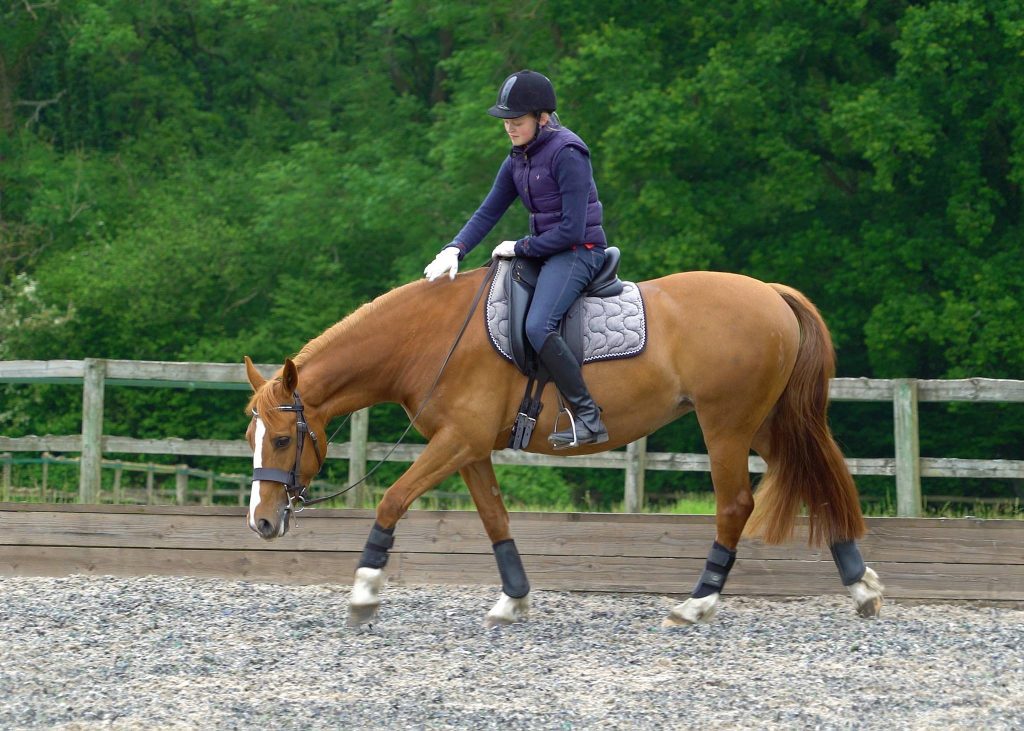
The world of dressage has evolved significantly over recent decades, blending classical principles with innovative approaches to develop both horse and rider. Today’s equestrians are seeking modern dressage training techniques that emphasize harmony, responsiveness, and the well-being of the horse. These methods focus on clear communication, biomechanical understanding, and the use of progressive exercises to build athleticism and confidence.
Whether you are new to dressage or looking to refine your skills, understanding contemporary strategies can make a substantial difference. This article explores foundational concepts, essential exercises, and practical tips for integrating up-to-date methods into your daily schooling. For riders interested in expanding their repertoire, resources like the shoulder-in dressage exercise guide offer valuable insights into lateral work and its role in modern training.
Core Principles of Contemporary Dressage Schooling
At the heart of today’s dressage lies a commitment to ethical training and a deep respect for the horse’s physical and mental state. Modern approaches prioritize:
- Biomechanical awareness: Understanding how a horse’s body moves and how to encourage correct posture and engagement.
- Progressive loading: Gradually increasing the difficulty of exercises to build strength and flexibility without causing stress or injury.
- Positive reinforcement: Using rewards and clear signals to encourage desired behaviors and maintain motivation.
- Rider position and balance: Ensuring the rider’s seat and aids are effective, sympathetic, and supportive of the horse’s movement.
These principles are reflected in every aspect of daily training, from groundwork to advanced movements. By adopting a thoughtful, horse-centered approach, riders can foster trust and achieve lasting progress.
Essential Exercises for Modern Dressage Progress
Incorporating a variety of exercises is key to developing a supple, attentive horse. Below are some widely used drills that align with modern dressage training techniques:
- Transitions: Practicing frequent changes between gaits and within gaits (such as collected to medium trot) sharpens responsiveness and improves balance. For detailed guidance, see how to ride correct dressage transitions.
- Lateral movements: Exercises like leg yield, shoulder-in, and haunches-in promote flexibility and straightness. Riders can deepen their understanding by exploring dressage lateral movements explained.
- Cavaletti and pole work: Integrating ground poles encourages rhythm, coordination, and engagement of the hindquarters.
- Stretching and relaxation: Allowing the horse to stretch forward and down helps release tension and develop correct topline muscles.
Consistency and patience are crucial. Each session should be tailored to the horse’s current fitness and mental state, with an emphasis on quality over quantity.
Integrating Technology and Science in Dressage
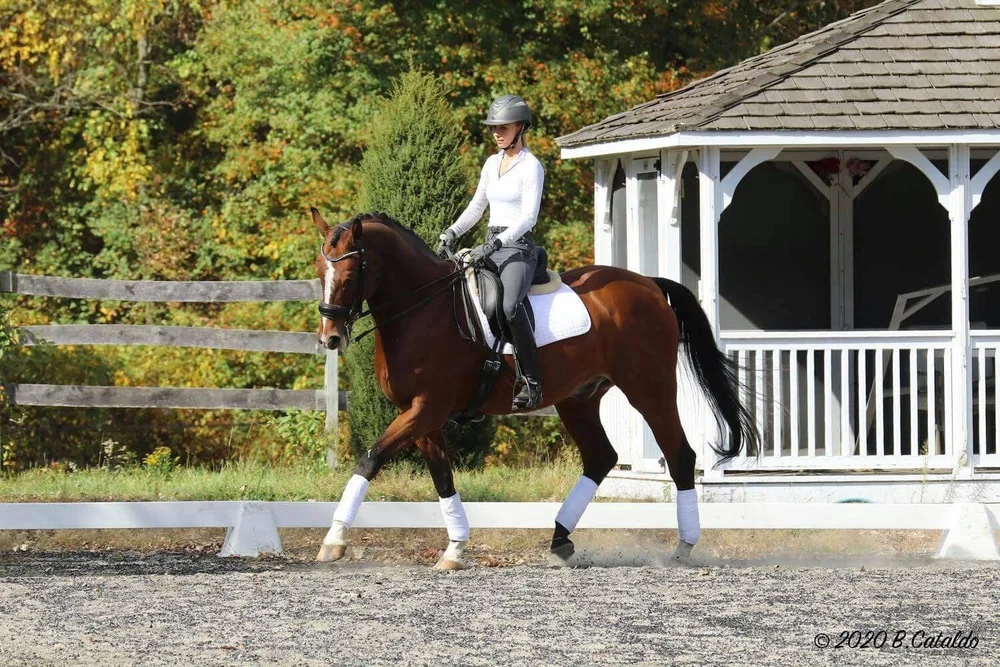
The integration of technology has transformed how riders and trainers approach dressage. Video analysis, wearable sensors, and heart rate monitors provide objective feedback on both horse and rider performance. These tools help identify areas for improvement and track progress over time.
Scientific research has also influenced modern schooling. Studies on equine biomechanics and learning theory inform training plans, ensuring exercises are both effective and ethical. Many trainers now incorporate evidence-based practices, such as interval training for cardiovascular fitness and cross-training to prevent repetitive strain.
Developing Suppleness and Straightness
Suppleness and straightness are fundamental for success in any dressage test. Modern methods emphasize exercises that encourage the horse to move freely through the back and remain aligned on straight and curved lines. Movements such as leg yield dressage training and haunches-in help address stiffness and asymmetry.
Riders are encouraged to use frequent changes of direction, circles, and serpentines to keep the horse attentive and physically balanced. Regular assessment of straightness—by checking if the hind feet follow the tracks of the front feet—can help prevent common training issues.
Common Mistakes and How to Avoid Them
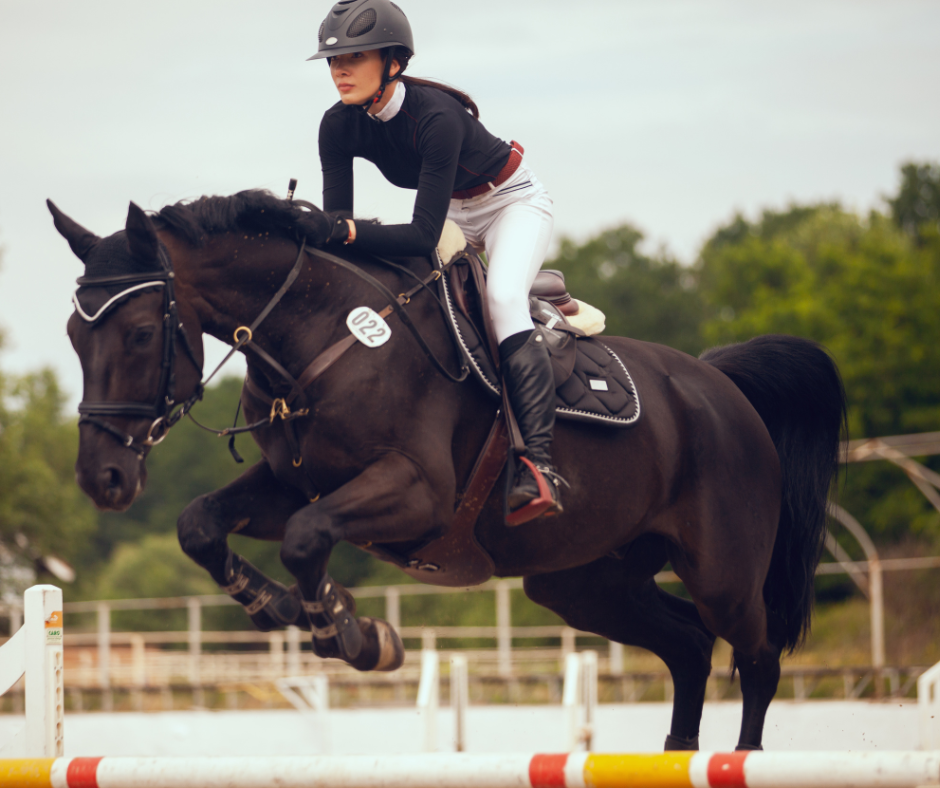
Even experienced riders can fall into habits that hinder progress. Some frequent pitfalls include:
- Overusing the reins: Relying too much on the hands can create tension and resistance. Instead, focus on riding from the seat and leg.
- Neglecting straightness: Failing to address crookedness early can lead to uneven muscle development and training plateaus.
- Skipping warm-up or cool-down: Proper preparation and recovery are essential for preventing injury and maintaining suppleness.
- Ignoring feedback: Both the horse’s reactions and objective tools like video analysis provide crucial information for improvement.
Regularly revisiting the basics and seeking feedback from knowledgeable trainers can help riders stay on track. For those looking to deepen their understanding of specific movements, resources such as haunches-in dressage training offer step-by-step instructions.
Resources for Further Learning
There are many avenues for expanding your knowledge of up-to-date dressage practices. Online tutorials, clinics, and books by leading trainers provide a wealth of information. For practical, step-by-step advice on foundational skills, the basic dressage guide on WikiHow is a helpful starting point.
Attending live demonstrations and connecting with a supportive community can also accelerate your progress. Remember, every horse and rider combination is unique—what works for one may need adjustment for another.
FAQ
What Are the Key Benefits of Using Modern Dressage Training Methods?
Contemporary approaches emphasize the horse’s physical and mental well-being, leading to improved performance, greater trust, and reduced risk of injury. By focusing on biomechanics, positive reinforcement, and progressive exercises, riders can achieve more harmonious and sustainable results.
How Often Should I Practice Dressage Exercises?
Consistency is important, but quality matters more than quantity. Most horses benefit from 3–5 focused sessions per week, with variety in exercises and intensity. Always consider your horse’s fitness level and allow for adequate rest and recovery.
Can Beginners Use These Techniques?
Absolutely. Many modern strategies are designed to be accessible for riders at all levels. Start with foundational exercises and gradually introduce more advanced work as your skills and your horse’s confidence grow.