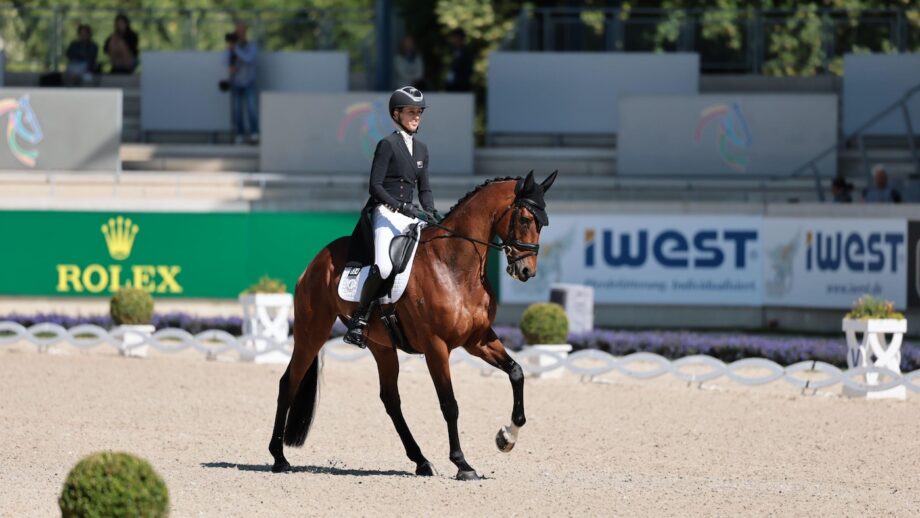
Developing a supple, balanced, and responsive horse is at the heart of dressage training. One of the most effective ways to achieve these qualities is through lunging exercises for dressage. Proper lunge work helps horses improve rhythm, balance, and self-carriage without the added weight of a rider. For both novice and advanced equestrians, incorporating targeted lunging routines can lay a strong foundation for future under-saddle work and refine advanced movements.
This guide explores essential lunging techniques, safety considerations, and progressive exercises that support dressage goals. Whether you are introducing a young horse to groundwork or seeking to enhance your partner’s athleticism, structured lunge sessions can make a significant difference. For riders interested in expanding their understanding of lateral movements and transitions, resources like the dressage lateral movements explained article provide additional insights.
Why Incorporate Lunging into Dressage Training?
Lunging offers unique benefits for both horse and rider. Without the influence of a rider’s weight, horses can learn to move freely, develop correct muscle tone, and establish rhythm. For dressage, this groundwork is invaluable in teaching horses to accept contact, bend correctly, and respond to subtle aids.
- Improved Balance: Horses learn to carry themselves evenly on both reins.
- Enhanced Suppleness: Regular lunge work increases flexibility, making lateral work easier later on.
- Clear Communication: Groundwork clarifies voice and body cues, which translates to better under-saddle responses.
- Fitness and Strength: Lunging builds stamina and strengthens the topline, crucial for advanced dressage movements.
For those new to the discipline, this beginner’s guide to dressage provides a helpful overview of foundational concepts.
Essential Equipment and Safety Tips
Before starting any lunge session, it’s important to have the right equipment and prioritize safety. The following items are commonly used for dressage lunge work:
- Lunge line (8–10 meters)
- Lunge cavesson or bridle with snaffle bit
- Lunge whip
- Protective boots or wraps for the horse
- Properly fitted surcingle and side reins (for more advanced work)
- Gloves and helmet for the handler
Always lunge in a safe, enclosed area with good footing. Begin with a calm, attentive horse and check all tack for fit and security. Never leave a horse unattended on the lunge, and avoid overusing side reins or auxiliary aids, especially with young or inexperienced horses.
Progressive Lunging Exercises for Dressage Horses
Structuring your lunge sessions with a clear progression helps maximize benefits and keeps your horse engaged. Here are several effective routines to incorporate into your training plan:
1. Warm-Up: Large Circles and Transitions
Start each session with 5–10 minutes of walking and trotting on a large circle. Focus on rhythm and relaxation. Use voice cues to encourage smooth transitions between walk, trot, and halt. This not only warms up the muscles but also establishes communication.
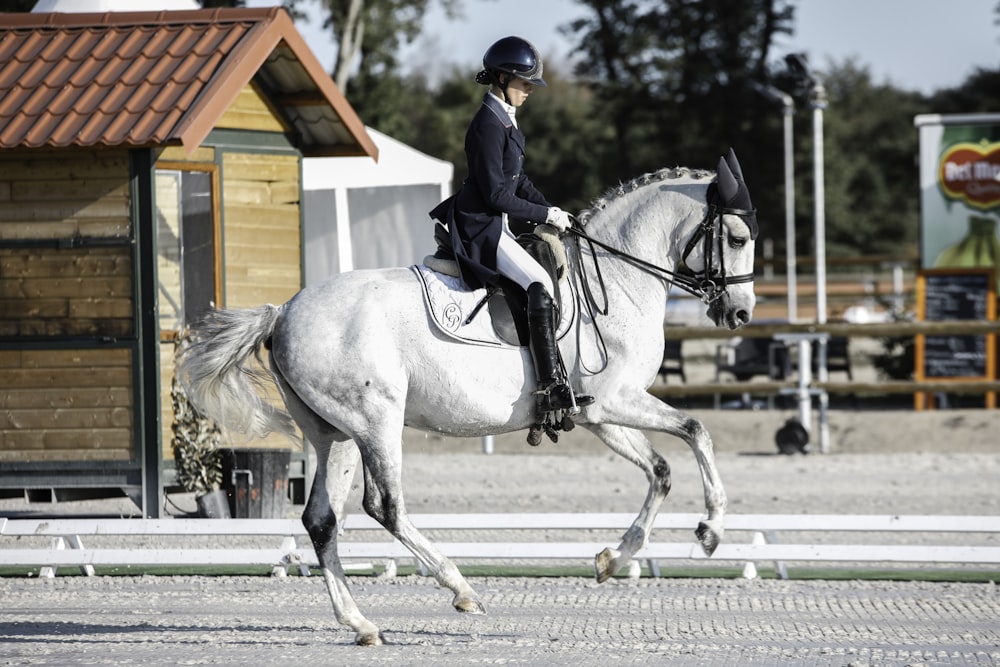
2. Improving Bend and Suppleness: Spiraling Circles
After warming up, gradually spiral the horse in from a large (20-meter) circle to a smaller (10–12 meter) circle, then back out again. This exercise encourages the horse to bend through the body and step under with the inside hind leg. Keep the tempo steady and avoid letting the horse fall in or out.
For more on developing lateral flexibility, the shoulder-in dressage exercise is a valuable reference.
3. Engagement and Strength: Transitions Within and Between Gaits
Use frequent transitions—walk to trot, trot to canter, and back down—to build engagement and responsiveness. Within each gait, ask for lengthening and shortening of stride. These transitions help develop the horse’s ability to collect and extend, both key elements in dressage.
4. Introducing Lateral Work on the Lunge
Once your horse is comfortable with basic lunge routines, you can introduce lateral movements such as leg-yielding out on the circle or asking for slight shoulder-fore positioning. Always keep these requests subtle and reward even small efforts.
For a deeper dive into these techniques, the leg yield dressage training article offers step-by-step guidance.
Common Mistakes and How to Avoid Them
While lunging is a powerful training tool, certain pitfalls can hinder progress or even cause setbacks. Here are some frequent mistakes and practical solutions:
- Overusing Gadgets: Relying too much on side reins or training aids can restrict natural movement. Use them sparingly and only when the horse is ready.
- Poor Circle Control: Allowing the horse to drift in or out leads to poor balance. Maintain a consistent circle size and use your body language to guide the horse.
- Neglecting Both Sides: Always work the horse equally on both reins to prevent one-sidedness.
- Skipping Warm-Up or Cool-Down: Proper warm-up and cool-down are essential for muscle health and injury prevention.
Integrating Lunge Work with Under-Saddle Dressage
The benefits of lunge training extend directly to riding. Horses that have mastered groundwork typically show better self-carriage, clearer responses to aids, and greater confidence in new exercises. For riders, observing the horse from the ground provides valuable insights into movement and symmetry.
To further refine your horse’s transitions under saddle, the how to ride correct dressage transitions resource is a practical next step.
Frequently Asked Questions
How often should I lunge my horse for dressage improvement?
For most horses, 1–2 lunge sessions per week are sufficient to see progress without risking overuse injuries. Adjust frequency based on your horse’s age, fitness, and training goals.
Can lunging replace ridden work in a dressage program?
Lunging is a valuable supplement but should not fully replace under-saddle training. It is best used to reinforce concepts, build fitness, and address specific issues alongside regular riding.
What are signs that my horse is benefiting from lunge exercises?
Positive signs include improved rhythm, increased suppleness, more consistent contact, and a willingness to stretch and engage the topline. The horse should appear relaxed and attentive during sessions.
Conclusion
Thoughtfully designed lunging exercises for dressage can transform your horse’s way of going, supporting both foundational and advanced training. By focusing on correct technique, gradual progression, and attentive handling, you’ll set your horse up for success in the dressage arena. For those interested in further developing lateral work, the haunches-in dressage training guide offers additional exercises to explore.