Leg yield dressage training is a foundational exercise in classical riding that develops a horse’s suppleness, responsiveness, and straightness. This lateral movement, where the horse travels both forward and sideways away from the rider’s leg, is often introduced early in a horse’s education. Mastering this technique not only improves communication between horse and rider but also lays the groundwork for more advanced dressage movements.
Riders seeking to enhance their horse’s flexibility and obedience often turn to leg-yielding as a practical tool. It encourages the horse to move away from gentle pressure, improves balance, and helps both horse and rider understand the importance of clear aids. For those aiming to refine their skills, understanding the mechanics and purpose of this exercise is essential.
Before diving into technique, it’s helpful to review related skills. Riders can benefit from learning about hand position in dressage riding to ensure their aids are precise and effective. Proper hand and leg coordination is crucial for successful lateral work.
Understanding the Purpose of Leg Yield in Dressage
The primary goal of leg-yielding is to teach the horse to move away from the rider’s inside leg while maintaining forward momentum. This movement is not just about moving sideways; it’s about achieving a balance between forward and lateral steps. The horse should remain straight through its body, with a slight flexion away from the direction of travel.
Incorporating leg yield dressage training into your routine helps develop:
- Suppleness: Encourages flexibility in the horse’s body, especially through the ribcage and shoulders.
- Responsiveness: Reinforces the horse’s understanding of leg aids and improves reaction time.
- Straightness: Teaches the horse to align its body correctly, preventing drifting or crookedness.
- Balance: Prepares the horse for more advanced lateral movements by improving coordination.
Key Principles Behind Effective Lateral Work
To achieve a correct leg-yield, both horse and rider must understand the basic principles of lateral work. The horse should cross its legs—inside legs crossing in front of the outside legs—while maintaining a steady rhythm. The rider’s aids must be clear, consistent, and well-timed.
It’s important to avoid over-bending or allowing the horse to lead with its quarters. The movement should be even, with the horse’s body remaining parallel to the arena wall or line of travel. Riders can improve their effectiveness by reviewing effective leg aids in dressage, which details how to apply and coordinate aids for optimal results.
How to Introduce Leg Yield to Your Horse
When introducing this exercise, start at the walk to allow both horse and rider to focus on coordination and clarity. Here’s a step-by-step approach:
- Establish a Forward, Active Walk: Begin on a straight line, ensuring the horse is attentive and moving forward willingly.
- Apply the Inside Leg: Gently press with your inside leg (the leg closest to the center of the arena) at the girth to encourage the horse to step sideways.
- Support with Outside Rein: Use the outside rein to maintain straightness and prevent the horse from over-bending or falling through the shoulder.
- Maintain Light Flexion: Ask for a slight flexion away from the direction of movement, but avoid excessive bend.
- Reward Responsiveness: Praise your horse for any correct attempt, even if small. Gradually increase the number of steps as the horse gains confidence.
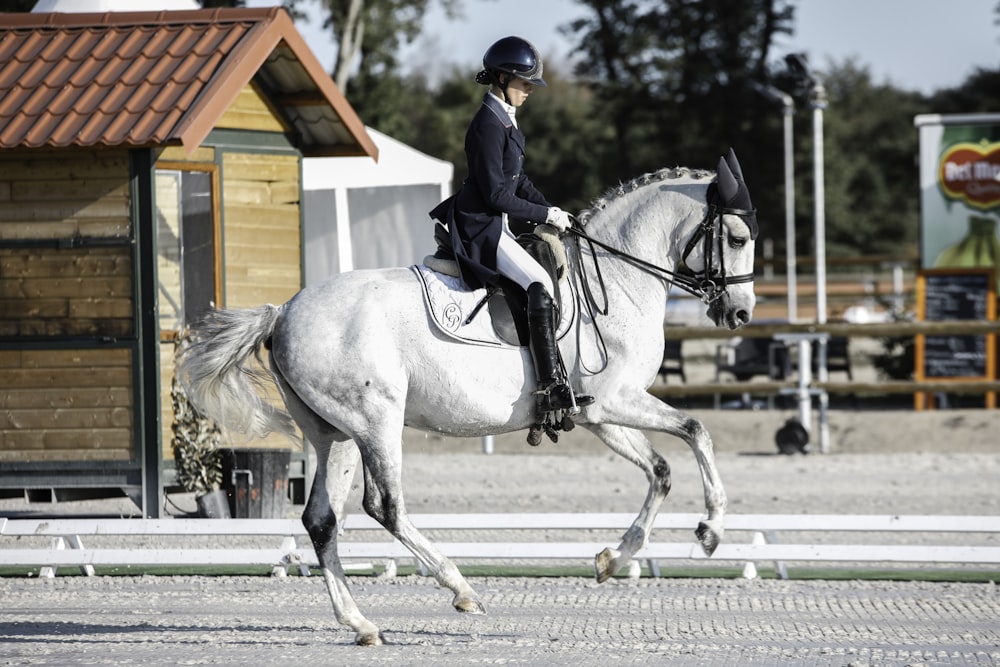
Common Challenges and Solutions in Lateral Training
Many riders encounter difficulties when first practicing this movement. Some common issues include:
- Lack of Forwardness: If the horse slows down or loses rhythm, focus on maintaining energy and impulsion.
- Leading with Quarters or Shoulders: Ensure the horse’s body remains parallel to the line of travel by adjusting your aids and monitoring your own position.
- Resistance to the Leg: If the horse ignores the inside leg, check for clarity of aids and consider returning to basic responsiveness exercises.
- Over-bending: Avoid excessive neck bend by using the outside rein and keeping your hands steady.
Riders can improve their technique by working on dressage rider balance tips and developing an independent seat, which allows for more precise and subtle aids.
Progressing to More Advanced Lateral Movements
Once horse and rider are comfortable with leg-yielding at the walk, the next step is to introduce the movement at the trot. This adds a level of difficulty, requiring greater coordination and balance. Riders should focus on maintaining a steady rhythm and clear aids, rewarding the horse for correct responses.
As proficiency grows, riders can experiment with different lines, such as leg-yielding from the quarter line to the wall or along the diagonal. These variations challenge the horse’s straightness and responsiveness, further enhancing suppleness and obedience.

Tips for Improving Your Leg Yield Practice
Consistency and patience are key when working on lateral movements. Here are some practical tips to enhance your training sessions:
- Start with short, clear sessions to prevent fatigue or frustration.
- Alternate between leg-yielding and straight lines to maintain engagement and focus.
- Use mirrors or a knowledgeable ground person to monitor your position and the horse’s alignment.
- Incorporate transitions within and between gaits to keep the horse attentive and responsive.
- Review how to develop an independent seat for greater stability and subtlety in your aids.
For additional insights on maximizing your horse’s suppleness and collection, consider reading expert advice on balance, suppleness, and collection in dressage.
Frequently Asked Questions
What is the difference between leg yield and shoulder-in?
While both are lateral movements, leg yield asks the horse to move forward and sideways with a slight flexion away from the direction of travel, keeping the body relatively straight. Shoulder-in, on the other hand, requires the horse to bend around the rider’s inside leg, with the shoulders leading and the horse bent in the direction of movement. Shoulder-in is generally considered a more advanced exercise.
How do I know if my horse is performing the movement correctly?
A correct leg-yield is characterized by the horse crossing its legs evenly, maintaining a steady rhythm, and remaining parallel to the line of travel. The horse should respond willingly to the aids without resistance or loss of forward energy. If you’re unsure, seek feedback from a qualified instructor or use mirrors to check your alignment.
Can all horses learn to leg-yield?
Most horses can learn this movement with patient, consistent training. Some may find it more challenging due to conformation or previous training experiences, but with clear aids and gradual progression, nearly all horses can improve their lateral suppleness and responsiveness.
How often should I practice lateral movements?
Incorporate leg-yielding into your schooling sessions a few times per week, mixing it with other exercises to keep your horse engaged. Over-practicing can lead to boredom or tension, so balance lateral work with straight lines, circles, and transitions.
Conclusion
Developing proficiency in lateral work is a valuable step for any dressage rider. By focusing on clear aids, correct positioning, and gradual progression, you’ll help your horse become more supple, balanced, and responsive. Remember to celebrate small improvements and seek guidance when needed. With time and patience, both you and your horse will benefit from the foundational skills gained through this essential exercise.