Dressage is often described as the art of riding and training a horse in a manner that develops obedience, flexibility, and balance. For those new to equestrian sports, understanding the fundamentals of dressage can seem overwhelming. However, with the right approach, beginners can build a solid foundation that will serve them well as they progress. This guide offers a comprehensive introduction to dressage riding, focusing on essential principles, practical steps, and helpful resources to get you started with confidence.
Whether your goal is to compete or simply improve your partnership with your horse, learning the basics of dressage provides valuable skills for any rider. By focusing on clear communication, correct posture, and gradual progression, you can enjoy the process of developing both your own abilities and your horse’s athleticism. For those looking to deepen their understanding, exploring basic dressage principles can further clarify the core concepts every rider should know.
Understanding the Basics of Dressage for Beginners
At its core, dressage is about harmony between horse and rider. The aim is to perform a series of movements with precision and grace, demonstrating the horse’s training and the rider’s skill. For those just starting out, it’s important to focus on the fundamental elements:
- Balance: Both horse and rider must maintain a steady, centered position.
- Rhythm: Movements should be performed with consistent tempo and flow.
- Suppleness: The horse should move freely and bend easily without tension.
- Contact: A light, steady connection between the rider’s hands and the horse’s mouth is essential.
These principles are the foundation of all dressage work. As you become more comfortable, you’ll find that each ride builds on the last, gradually improving your horse’s responsiveness and your own confidence in the saddle.
For a step-by-step approach, the article on dressage training for beginners provides a complete guide to early exercises and routines.
Essential Equipment for Starting Out
Before you begin practicing, it’s important to ensure you have the right equipment. While dressage can be practiced with standard riding gear, certain items are designed to enhance comfort and performance:
- Dressage Saddle: Offers a deeper seat and longer flaps for better leg position.
- Bridle with Cavesson Noseband: Provides gentle control and clear communication.
- Protective Boots or Bandages: Help safeguard your horse’s legs during training.
- Appropriate Attire: Riders typically wear breeches, boots, and a helmet for safety and comfort.
Maintaining your horse’s hooves is also crucial, especially as you increase training intensity. Using a quality balm can help keep hooves healthy and resilient.
First Steps in Dressage Training
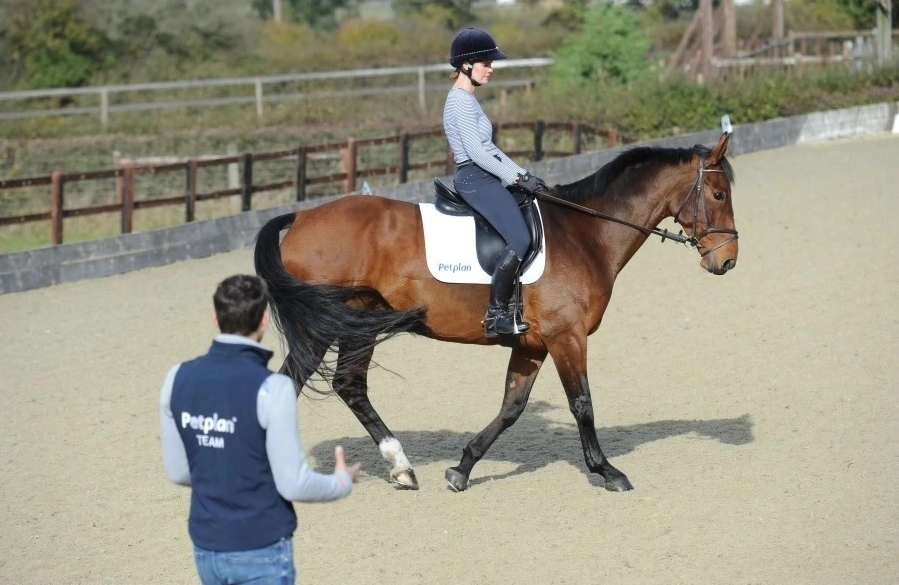
Getting started with dressage involves more than just riding in circles. The initial focus should be on building a partnership with your horse and establishing clear communication. Here are some practical steps for those new to this discipline:
- Warm Up Thoroughly: Begin each session with a gentle walk and trot to loosen muscles and establish rhythm.
- Practice Transitions: Moving smoothly between walk, trot, and halt helps your horse become attentive and responsive.
- Work on Straightness: Ride along the long sides of the arena, focusing on keeping your horse straight and balanced.
- Introduce Circles and Bends: Large circles encourage suppleness and help you practice steering with your seat and legs.
- Reward Progress: Use praise and gentle pats to reinforce good behavior and effort.
For more ideas on how to structure your sessions, check out these beginner dressage exercises designed to help riders and horses progress together.
Developing Rider Position and Aids
One of the most important aspects of learning dressage is developing a correct and effective riding position. Your posture directly influences your horse’s movement and responsiveness. Here are some key points to remember:
- Sit Tall: Keep your shoulders back and your spine straight, allowing your hips to move with the horse.
- Relax Your Legs: Maintain gentle contact with your calves, using them to give subtle cues.
- Steady Hands: Hold the reins with soft, elastic contact, avoiding tension or abrupt movements.
- Look Ahead: Focus your gaze where you want to go, which helps with balance and direction.
Consistent practice of these basics will help you communicate more clearly with your horse and lay the groundwork for more advanced movements. For a deeper dive into the essentials, the article on dressage fundamentals explained offers straightforward explanations of key concepts.
Progressing in Your Dressage Journey
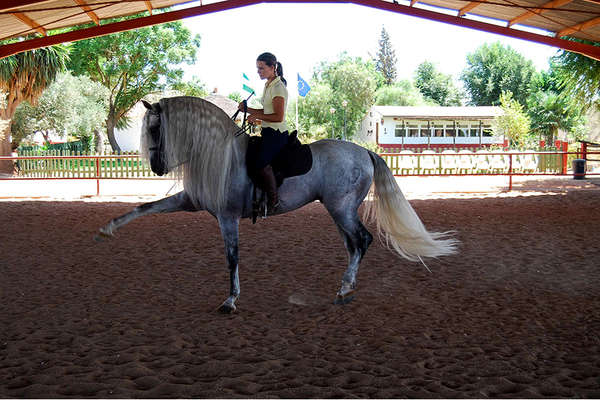
As you gain experience, you’ll be able to introduce more complex exercises and patterns. Setting realistic goals and tracking your progress can help keep you motivated. Many riders find it helpful to work with a qualified instructor who can provide feedback and guidance tailored to their needs.
When you’re ready to take the next step, consider exploring first steps in dressage training for a structured approach to advancing your skills. Remember, patience and consistency are key—progress in dressage is gradual, and every improvement, no matter how small, is a step forward.
If you’re looking for advice from experienced riders, you’ll find helpful discussions on how to get started with dressage in online equestrian communities.
Frequently Asked Questions
What is the best way for a beginner to learn dressage?
The most effective approach is to start with the basics—focus on balance, rhythm, and clear communication with your horse. Working with a knowledgeable instructor and practicing simple exercises regularly will help you build a strong foundation.
Do I need special equipment to start dressage?
While specialized gear like a dressage saddle can enhance your experience, you can begin with standard riding equipment. As you progress, investing in appropriate tack and attire will support your comfort and performance.
How long does it take to see progress in dressage?
Progress varies for each rider and horse, but consistent practice and patience are essential. Small improvements can be seen within weeks, while mastering more advanced movements may take months or years.