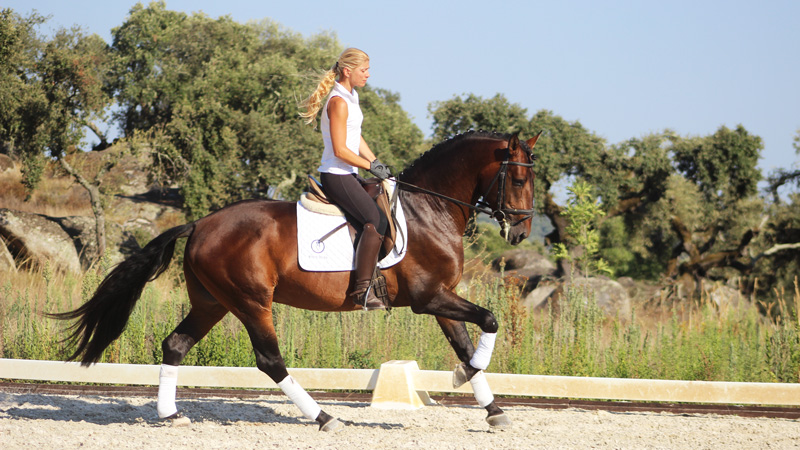
Achieving straightness is a cornerstone of successful dressage training. When a horse moves with its body aligned from poll to tail, energy flows efficiently, balance improves, and communication between rider and horse becomes clearer. Yet, many riders find that maintaining a truly straight horse is more challenging than it appears. Subtle crookedness can affect everything from rhythm and impulsion to the ability to perform advanced movements. This guide explores practical strategies for improving straightness in dressage, helping riders and trainers identify, correct, and refine this essential quality.
Before diving into specific exercises, it’s important to understand that straightness is not just about riding on a straight line. It involves the horse carrying itself evenly on both reins, responding equally to aids, and developing symmetry in strength and suppleness. Riders must also examine their own position and effectiveness, as even minor imbalances can influence the horse’s alignment. For further reading on related rider skills, see hand position in dressage riding.
Understanding the Importance of Alignment
In the context of dressage, straightness means that the horse’s hind feet follow the track of the front feet, whether on straight or curved lines. This alignment allows the horse to push evenly with both hind legs, resulting in more balanced, powerful, and expressive movement. Crookedness, on the other hand, can manifest as drifting, falling in or out on circles, or uneven contact.
According to dressage principles outlined by British Dressage, straightness is one of the six classical training scales. It is developed after rhythm, relaxation, contact, and impulsion, but before collection. Riders should always be attentive to their horse’s natural asymmetries and address them with targeted exercises.
Common Causes of Crookedness
Horses, like humans, have a dominant side. This natural asymmetry can lead to a tendency to drift, lean, or bend more easily in one direction. Other factors contributing to crookedness include:
- Rider imbalance or uneven aids
- Poor saddle fit or discomfort
- Lack of suppleness or strength on one side
- Insufficient attention to straightness during early training
Addressing these root causes is essential for improving straightness in dressage. Riders should regularly assess their own balance and position, as even small shifts in weight or rein length can affect the horse’s alignment. For more on developing a secure seat, see how to develop an independent seat.
Exercises for Enhancing Straightness
Consistent, targeted exercises can help both horse and rider develop greater symmetry and alignment. Here are some effective techniques:
Riding on the Centerline and Quarter Lines
Working away from the arena wall forces both horse and rider to maintain straightness without external support. Practice transitions and changes of rein along the centerline and quarter lines, focusing on keeping the horse’s body aligned and the contact even on both reins.
Shoulder-In and Leg Yield
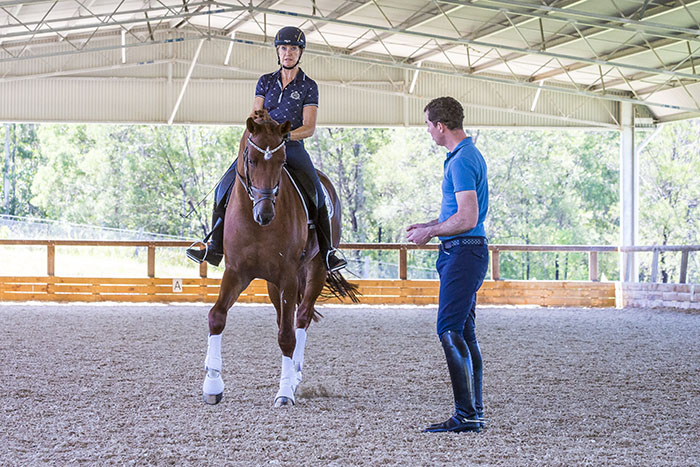
Lateral movements such as shoulder-in and leg yield encourage the horse to step under with the inside hind leg and develop evenness on both sides. These exercises also help the rider refine their coordination and timing of aids. For guidance on using your legs effectively, refer to effective leg aids in dressage.
Transitions Within and Between Gaits
Frequent transitions, both within and between gaits, require the horse to stay attentive and balanced. Focus on maintaining alignment before, during, and after each transition. This not only improves straightness but also enhances engagement and responsiveness.
Rider’s Role in Achieving Alignment
The rider’s position and influence are critical for maintaining a straight horse. Key aspects include:
- Even weight distribution in the saddle
- Consistent, elastic contact on both reins
- Clear, coordinated use of leg and seat aids
- Awareness of personal asymmetries or habits
Regular self-assessment and feedback from instructors or mirrors can help riders identify and correct tendencies that may lead to crookedness. For more tips on achieving stability and balance, see dressage rider balance tips.
Assessing Progress and Troubleshooting
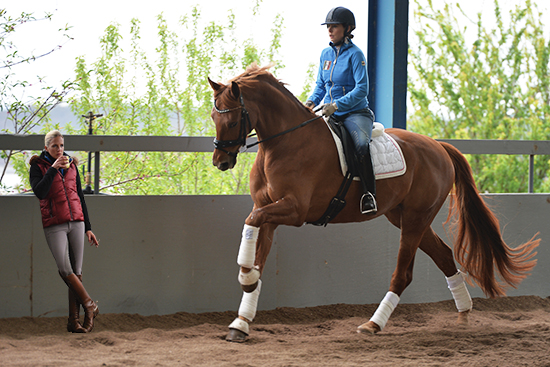
Regular assessment is key to making lasting improvements. Use mirrors, video analysis, or feedback from a knowledgeable trainer to monitor alignment. Signs of progress include:
- Horse moves willingly on both reins, with even contact
- Transitions are smooth and balanced
- Ability to ride accurate lines and shapes without drifting
- Improved quality of lateral movements
If persistent crookedness remains, revisit the basics and check for physical discomfort, tack issues, or rider habits that may be contributing. Sometimes, returning to simple exercises and focusing on relaxation and rhythm can help reset alignment.
Integrating Straightness into Daily Training
Consistency is essential. Incorporate alignment checks and related exercises into every schooling session, not just during specific drills. Vary the work to include straight lines, curves, transitions, and lateral movements. This approach keeps both horse and rider attentive and adaptable.
Remember, developing true straightness is a gradual process. Celebrate small improvements and remain patient as you and your horse build strength and coordination. For a deeper understanding of how aids influence alignment, explore rider aids in dressage explained.
FAQ: Straightness in Dressage Training
How can I tell if my horse is truly straight?
Look for even contact on both reins, the hind feet tracking directly behind the front feet, and the ability to ride accurate lines without drifting. Video analysis or mirrors can help, as can feedback from a qualified instructor.
What are the best exercises for correcting crookedness?
Riding on the centerline, practicing transitions, and incorporating lateral movements like shoulder-in and leg yield are all effective. These exercises encourage the horse to use both sides of its body equally and develop better alignment.
Can rider position affect the horse’s straightness?
Absolutely. Uneven weight distribution, inconsistent rein contact, or unclear aids can all contribute to crookedness. Regularly assess your own position and seek feedback to ensure you’re supporting your horse’s alignment.