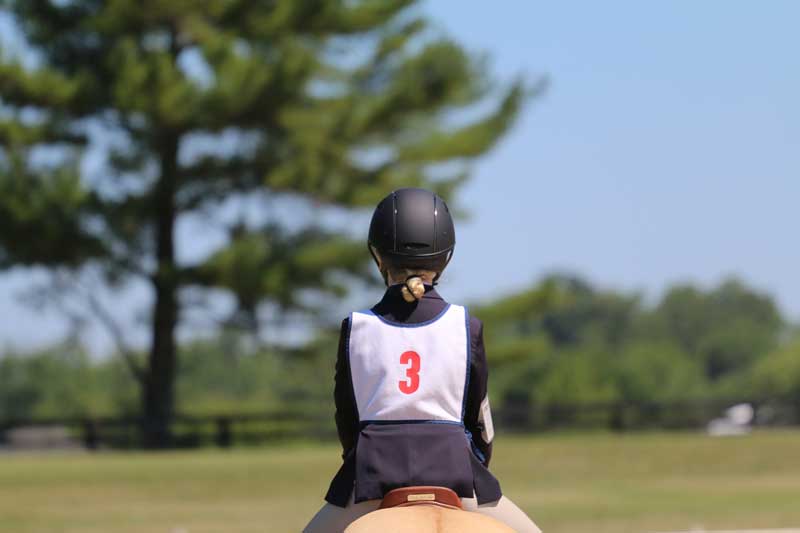
Achieving a comfortable and safe fit with your riding helmet is essential for every equestrian, regardless of hair length or style. Loose hair can interfere with the helmet’s fit, compromise protection, and cause distractions while riding. Learning how to tuck hair into a riding helmet properly ensures both safety and comfort, whether you have long locks, thick curls, or short hair. This guide will walk you through practical methods, best practices, and tips to keep your hair secure under your helmet.
Before diving into techniques, it’s important to recognize that helmet fit is influenced by many factors, including hair volume, hair accessories, and even the weather. For a comprehensive look at how temperature and storage can affect your helmet’s performance, check out this resource on the impact of heat on equestrian helmets.
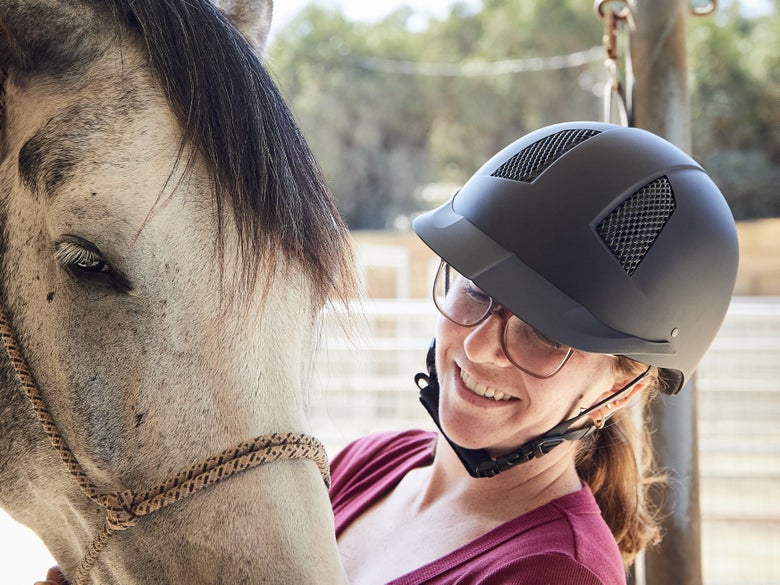
Why Proper Hair Tucking Matters for Helmet Safety
Wearing your helmet correctly is non-negotiable for safety, but hair that isn’t secured can create gaps or pressure points, reducing the helmet’s effectiveness. A well-tucked hairstyle helps maintain a snug, even fit, which is crucial for the helmet to absorb impact as designed. This is especially important for those with longer or thicker hair, as bulk under the helmet can shift its position or loosen the chin strap.
In addition, many modern helmets are engineered with advanced safety technologies, such as MIPS (Multi-directional Impact Protection System). To learn more about these innovations, visit this detailed explanation of MIPS helmet technology.
Preparing Your Hair for a Secure Fit
Before putting on your helmet, start with clean, dry hair. Oily or damp hair can slip out of hair ties or pins, making it harder to keep everything in place. Brush your hair thoroughly to remove tangles, which helps prevent discomfort and uneven pressure under the helmet.
- Choose the right accessories: Use snag-free hair ties, thin hairnets, and bobby pins that won’t create lumps or pressure points.
- Avoid bulky clips: Large barrettes or decorative pins can interfere with the helmet’s fit and should be avoided.
- Consider your hair type: Curly, thick, or layered hair may require extra steps or stronger accessories to stay put.
Step-by-Step: Tucking Long Hair Under a Riding Helmet
Riders with long hair often face the challenge of keeping their ponytail or braid from slipping out or creating discomfort. Here’s a reliable method for tucking long hair:
- Make a low ponytail or braid: Gather your hair at the nape of your neck and secure it with a thin, strong elastic. A braid can help reduce bulk and tangling.
- Use a hairnet: Place a hairnet over your ponytail or braid, tucking in any loose strands. This helps keep hair contained and flat.
- Flip and tuck: Flip the ponytail or braid up against the back of your head, spreading it out to avoid a thick lump. Hold it in place with one hand.
- Put on your helmet: With your other hand, gently slide the helmet over your head, ensuring the hair remains flat and evenly distributed. Adjust as needed for comfort and security.
- Secure the chin strap: Fasten the strap snugly, making sure the helmet sits level and doesn’t rock or shift when you move your head.

Managing Short Hair and Bangs for Helmet Comfort
Short hair can be just as tricky to manage as long hair when it comes to helmet fit. Stray bangs or layers may slip out and cause irritation or block your vision. Here are some tips for keeping shorter styles neat and secure:
- Use a thin headband or hairnet: These keep bangs and short layers flat against your head, reducing the chance of them slipping out.
- Secure with bobby pins: Pin back any sections that are too short to fit into a ponytail or braid.
- Check fit after tucking: Always make sure your helmet sits flush against your scalp, with no gaps or pressure points caused by hair or accessories.
Best Practices for Helmet Fit and Hair Management
No matter your hair length or texture, these best practices will help you achieve a secure, safe fit every time:
- Adjust your helmet size as needed: If you change your hairstyle significantly, such as cutting off several inches or adding extensions, re-measure your head and check your helmet’s fit. For guidance, see this step-by-step guide to measuring your head for a riding helmet.
- Replace worn accessories: Hairnets and elastics lose their stretch over time. Replace them regularly to ensure they hold your hair securely.
- Follow helmet safety standards: Always use a helmet that meets current safety ratings. For more information, review the equestrian helmet safety ratings guide.
- Store your helmet properly: Avoid leaving your helmet in hot cars or direct sunlight, as heat can degrade the materials and affect fit.

Common Mistakes to Avoid When Securing Hair
Even experienced riders can make mistakes that compromise helmet fit and safety. Here are some pitfalls to watch out for:
- Using thick or bulky hair ties that create pressure points or prevent the helmet from sitting evenly.
- Leaving loose strands that can slip into your eyes or distract you while riding.
- Overstuffing hair under the helmet, which can lift the helmet off your head and reduce protection.
- Neglecting to check fit after tucking; always ensure your helmet is snug and stable before mounting up.
Frequently Asked Questions
Can I wear my hair in a bun under my riding helmet?
Yes, but it’s best to keep the bun low and flat at the nape of your neck. High or bulky buns can interfere with helmet fit and safety. Use a hairnet to keep the bun secure and avoid pressure points.
What should I do if my helmet feels too tight after tucking my hair?
If your helmet feels uncomfortably tight after securing your hair, try using thinner hair accessories or adjusting your hairstyle. If the problem persists, you may need to re-measure your head and consult an equestrian helmet size guide to ensure you have the correct helmet size.
Is it safe to use hairpins or clips under my helmet?
Small, flat bobby pins are generally safe if used sparingly and placed flat against your head. Avoid large or decorative clips, as they can create uneven pressure and compromise helmet safety.
How often should I replace my hair accessories for riding?
Replace hairnets, elastics, and pins as soon as they lose elasticity or become damaged. Worn accessories are more likely to slip or break, leading to loose hair and potential safety issues.
Conclusion
Mastering the art of securing your hair under a helmet is a key part of riding safely and comfortably. By following the steps and tips in this article, you’ll ensure your helmet fits as intended and provides the best possible protection. Remember to regularly check your helmet’s fit, update your hair accessories, and stay informed about the latest safety standards. A little extra effort in tucking your hair properly goes a long way toward a safer, more enjoyable ride.