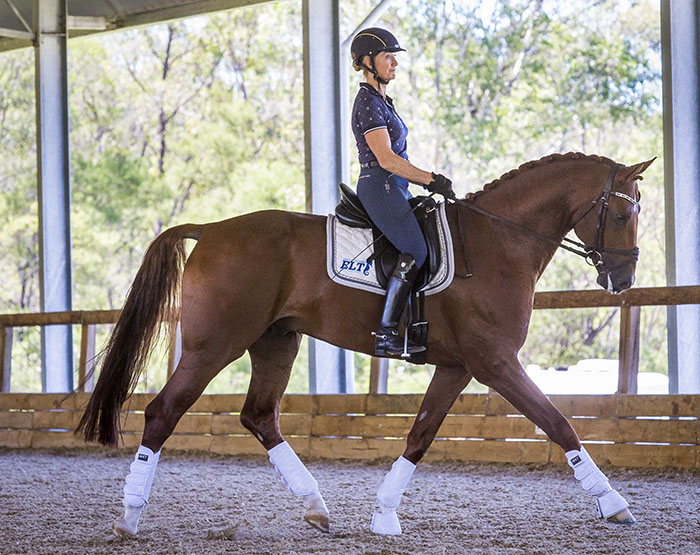
Mastering dressage transitions is fundamental for any rider aiming to improve communication, balance, and precision with their horse. Transitions—whether between gaits or within the same gait—are not just about changing speed or movement; they are about developing responsiveness, engagement, and harmony. This guide offers practical steps and insights to help you achieve smooth, accurate transitions that will enhance your dressage performance at any level.
Before diving into the step-by-step process, it’s essential to understand that correct transitions rely on a combination of clear aids, rider balance, and the horse’s willingness to respond. Riders looking to refine their technique should also pay attention to related skills such as hand position in dressage riding, seat independence, and effective use of leg aids. Building a solid foundation in these areas will make every transition more fluid and correct.
Understanding the Importance of Proper Dressage Transitions
Well-executed transitions are a hallmark of advanced dressage. They demonstrate the horse’s attentiveness, the rider’s skill, and the partnership between both. Transitions are used in every dressage test and are critical for developing suppleness, engagement, and obedience. When performed correctly, they help the horse become more balanced, carry more weight on the hindquarters, and respond more lightly to the rider’s aids.
Riders often overlook the value of transitions within the same gait, such as moving from collected to medium trot. These subtle changes build strength and flexibility, preparing the horse for more complex movements. For those seeking to improve their seat and overall control, reviewing resources like how to develop an independent seat can be invaluable.
Key Elements for Executing Smooth Dressage Transitions
To achieve seamless transitions, focus on the following core elements:
- Preparation: Anticipate the transition by ensuring your horse is attentive and balanced. Half-halts are useful for collecting energy and signaling a change is coming.
- Clear Aids: Use precise and consistent aids. This includes a combination of seat, leg, and hand signals that are well-timed and coordinated.
- Rider Position: Maintain an upright, balanced posture. A secure seat and steady hands are crucial for clear communication.
- Horse’s Frame: Encourage the horse to stay round and engaged, with hindquarters active and back lifted.
- Follow-Through: After the transition, continue riding forward to maintain rhythm and connection.
Step-by-Step Guide to Riding Upward and Downward Transitions
Upward Transitions: Walk to Trot, Trot to Canter
For upward transitions, the goal is to move into the next gait with energy and balance, without rushing or losing rhythm.
- Prepare with a half-halt to alert your horse and rebalance.
- Apply gentle leg pressure to ask for more energy.
- Maintain a steady contact with the reins, keeping your hands soft but supportive.
- Use your seat to encourage the horse forward, sitting tall and centered.
- As the horse responds, follow the motion and immediately ride forward into the new gait, avoiding any abrupt movements.
Downward Transitions: Canter to Trot, Trot to Walk
Downward transitions require the horse to stay engaged and not fall onto the forehand. The process should be gradual and controlled.
- Prepare with a half-halt to rebalance and collect the horse.
- Deepen your seat and gently close your thighs, signaling a reduction in energy.
- Soften your hand slightly to allow the horse to step under and stay round.
- Once the horse transitions, maintain a forward feel to keep the rhythm and engagement.
- Reward your horse with a soft word or gentle pat for a smooth transition.
Practicing both upward and downward transitions in quick succession—known as transition exercises—can help improve the horse’s responsiveness and the rider’s timing.
Common Mistakes and How to Avoid Them
Even experienced riders can encounter issues when performing transitions. Here are some frequent errors and tips to correct them:
- Rushing: If the horse speeds up or loses balance, return to the previous gait, rebalance, and try again with more preparation.
- Heavy Hands: Avoid pulling on the reins. Instead, use your seat and core to signal the transition.
- Lack of Preparation: Skipping the half-halt or not engaging the horse can lead to sloppy transitions. Always prepare before asking.
- Inconsistent Aids: Ensure your signals are clear and repeatable. Practice aids off the horse if needed to develop muscle memory.
For more on refining your technique, consider reading about dressage rider balance tips and effective leg aids in dressage to further support your progress.
Building Better Transitions Through Practice
Consistent, mindful practice is the key to improvement. Incorporate transition exercises into every schooling session, focusing on quality over quantity. Start with basic walk-trot and trot-canter transitions, then progress to more advanced variations such as transitions within the trot or canter.
Use patterns like serpentines, circles, and figure-eights to keep your horse attentive and engaged. Vary the location of transitions to prevent anticipation and encourage the horse to listen to your aids rather than memorize the routine.
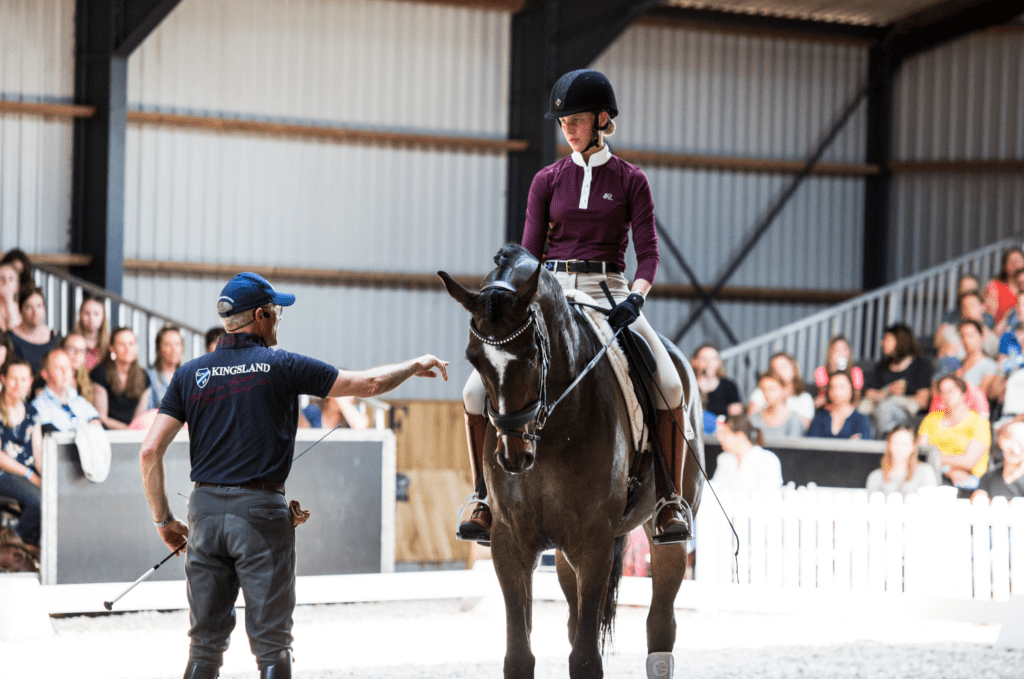
Enhancing Communication With Effective Rider Aids
The effectiveness of your transitions depends largely on the clarity of your aids. Riders should strive for invisible communication, where the horse responds to subtle shifts in weight, leg, and rein. For a deeper understanding of how to refine your cues, explore rider aids in dressage explained.
Remember, the goal is to create a partnership where the horse anticipates and responds willingly. Consistency, patience, and positive reinforcement are essential for building trust and responsiveness.
Principles and Priorities in Dressage Training
For those interested in the broader philosophy behind dressage, reviewing the principles and priorities of dressage training can provide valuable context. These principles emphasize harmony, lightness, and the well-being of the horse—values that are reflected in every transition you ride.
Frequently Asked Questions
What are the most common problems riders face with dressage transitions?
Riders often struggle with horses rushing, falling onto the forehand, or ignoring aids during transitions. These issues usually stem from lack of preparation, inconsistent signals, or insufficient rider balance. Addressing these fundamentals and practicing regularly can help resolve most problems.
How can I make my transitions more precise and balanced?
Focus on preparation through half-halts, maintain a balanced seat, and use clear, coordinated aids. Practicing transitions within gaits and incorporating exercises like circles and serpentines will also improve precision and balance over time.
Why are transitions within the gait important?
Transitions within the same gait, such as moving from collected to medium trot, develop the horse’s strength, suppleness, and responsiveness. They also help the rider refine their aids and improve overall communication with the horse.