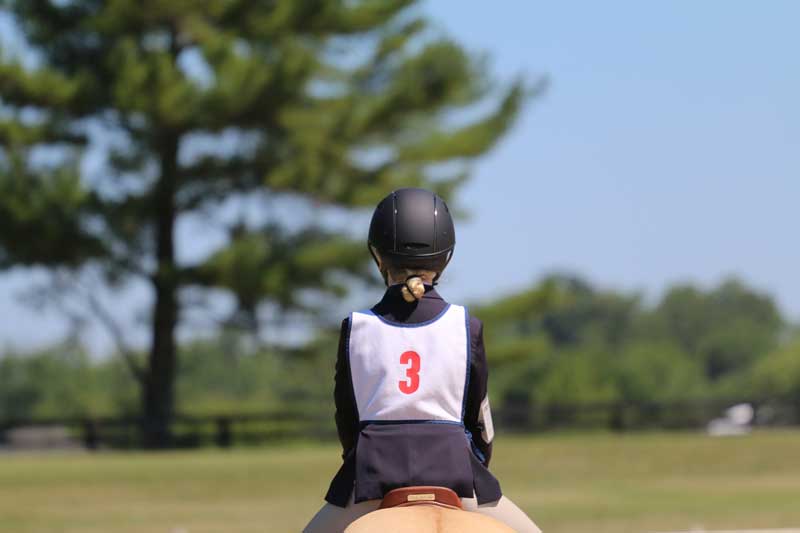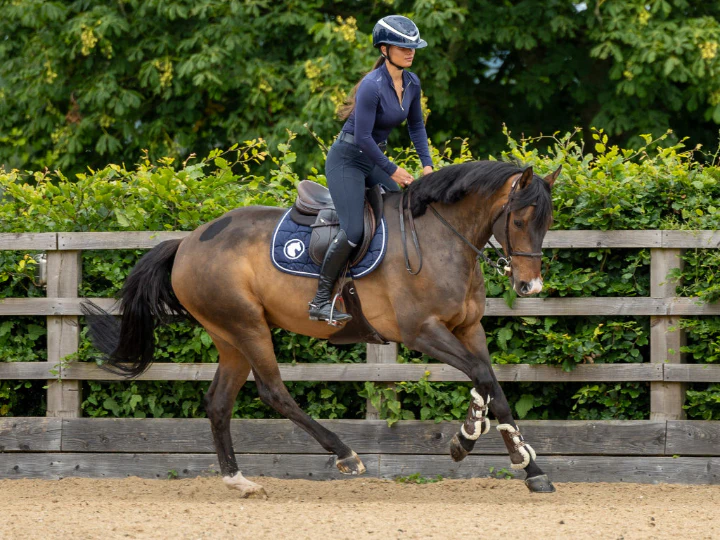
Finding the right fit for your riding helmet is crucial for both safety and comfort. A helmet that fits properly can significantly reduce the risk of injury during a fall or impact. This guide will walk you through the process of how to measure head for riding helmet use, ensuring you select the correct size and style for your needs.
Whether you are new to horseback riding or looking to replace your current helmet, understanding the correct way to take head measurements is the first step toward a secure and comfortable ride. For a more detailed breakdown of sizing charts and helmet fit, you might also find the equestrian helmet size guide helpful.
Why Accurate Helmet Sizing Matters
Wearing a helmet that fits correctly is not just a matter of comfort—it’s a vital safety measure. A helmet that is too loose may shift or come off during a fall, while one that is too tight can cause headaches and pressure points. Proper sizing ensures that the helmet stays securely in place and provides maximum protection.
Modern helmets are designed with advanced safety features, such as the MIPS system, which helps reduce rotational forces during an impact. To learn more about these technologies, check out this overview of the benefits of the MIPS system in horse riding helmets.
Essential Tools for Measuring Your Head
Before you begin, gather the following items to ensure accurate results:
- Flexible measuring tape (tailor’s tape is ideal)
- A mirror or a friend to assist
- Pen and paper to record your measurement
If you don’t have a soft measuring tape, you can use a piece of string and then measure the string against a ruler.
Step-by-Step Instructions: Measuring Your Head for a Riding Helmet
Follow these steps to determine your head size for a riding helmet:
- Position the tape correctly: Place the measuring tape around your head, about one inch (2.5 cm) above your eyebrows and ears. This is typically the widest part of your head.
- Keep the tape level: Make sure the tape is snug but not tight, and sits evenly around your head. Avoid angling it up or down.
- Read the measurement: Check the number where the tape meets itself. Record this measurement in centimeters or inches, depending on the sizing chart you’ll use.
- Double-check for accuracy: Repeat the process once or twice to ensure consistency.

Interpreting Your Measurement and Choosing the Right Size
Once you have your head measurement, compare it to the manufacturer’s sizing chart. Most brands provide a chart that converts head circumference to helmet sizes (such as Small, Medium, Large, or numerical sizes). Always refer to the specific brand’s chart, as sizing can vary.
If your measurement falls between two sizes, it’s usually best to choose the larger size and use the helmet’s adjustment system or padding for a snug fit.
Tips for Ensuring a Proper Fit
- Try the helmet on: The helmet should sit level on your head, covering most of your forehead without obstructing vision.
- Check for movement: Gently move your head side to side and up and down. The helmet should move with your head, not independently.
- Adjust the straps: The chin strap should be snug but comfortable, allowing you to open your mouth and speak easily.
- Look for pressure points: There should be no painful spots or excessive gaps between your head and the helmet.
For more detailed advice on helmet fitting and adjustments, refer to the equestrian helmet size guide.
Common Mistakes When Measuring for a Riding Helmet
- Measuring too high or too low on the forehead, leading to an inaccurate size.
- Pulling the tape too tight or leaving it too loose.
- Not accounting for hair volume or hairstyles that may affect fit.
- Ignoring manufacturer-specific sizing recommendations.

Maintaining Helmet Fit Over Time
Even after you’ve selected the right helmet, it’s important to regularly check the fit. Padding can compress with use, and changes in hairstyle or hair length can affect how your helmet sits. Inspect your helmet for signs of wear, and replace it after any significant impact or according to the manufacturer’s recommendations.
If you’re interested in other aspects of horse care, such as horse grooming at home, you’ll find additional resources on our site.
Frequently Asked Questions
How often should I re-measure my head for a new helmet?
It’s a good idea to re-measure your head every time you purchase a new helmet, especially if it’s been several years since your last fitting or if you’ve experienced significant changes in hairstyle or head shape.
Can I use the same measurement for different helmet brands?
While your head measurement provides a starting point, always consult the specific sizing chart for each brand. Sizing can vary between manufacturers, so a Medium in one brand may not be the same as a Medium in another.
What should I do if I’m between two helmet sizes?
If your measurement falls between sizes, opt for the larger size. Most helmets allow for some adjustment with padding or fit systems, ensuring a secure and comfortable fit.
Is it safe to buy a helmet online using my head measurement?
Yes, as long as you follow the manufacturer’s sizing guide and measure your head accurately. Make sure the retailer has a good return policy in case the fit isn’t perfect.
Conclusion
Taking the time to measure your head accurately is an essential step in selecting a safe and comfortable riding helmet. By following these guidelines, you can ensure a proper fit and enjoy greater peace of mind every time you ride. Remember to check your helmet’s fit regularly and stay informed about the latest safety features and sizing recommendations.