Achieving a truly independent seat is a cornerstone of effective riding. This skill allows equestrians to move in harmony with their horse, maintain balance, and apply aids clearly without relying on the reins or gripping with the legs for stability. Whether you are a dressage enthusiast or a recreational rider, cultivating this ability is essential for both your safety and your horse’s comfort.
Many riders find that building this level of control takes time, patience, and a focused approach. In this guide, we’ll explore practical steps, exercises, and tips to help you master a secure, supple seat that moves with your horse rather than against it. For those interested in refining their overall position, you may also want to review correct rider position in dressage for additional insights.
Understanding the Concept of an Independent Seat
Before diving into specific exercises, it’s important to clarify what it means to have a seat that functions independently. In riding, this refers to the ability to maintain your own balance and posture, regardless of your horse’s movement or any external factors. Your seat should absorb motion, follow the horse’s back, and allow your hands and legs to give clear, separate aids.
- Balance: The rider remains centered and stable, even during transitions or unexpected movements.
- Suppleness: The pelvis and lower back move fluidly with the horse’s stride, rather than bracing or bouncing.
- Separation of Aids: Hands, seat, and legs can act independently, avoiding unintentional signals.
Developing this skill is not only about physical fitness but also about body awareness and coordination. Riders who focus on this foundation often notice improvements in communication with their horse and overall performance. For a deeper dive into common pitfalls, consider reading about common rider mistakes in dressage.
Key Steps to Building a Secure and Independent Seat
Progressing toward a seat that is both stable and flexible involves several components. Here are the main areas to address:
1. Correct Alignment and Posture
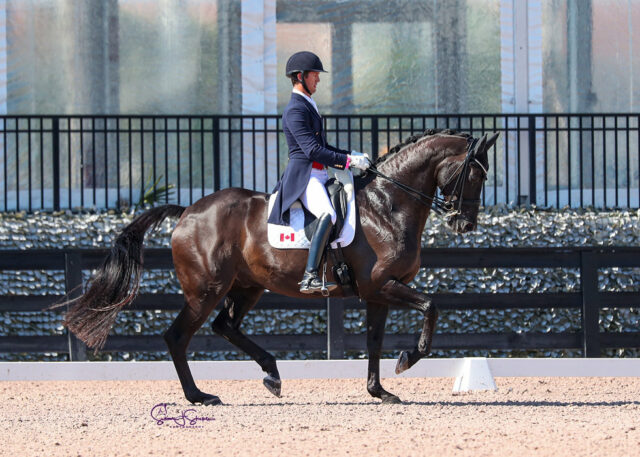
Start by checking your basic position in the saddle. Your ear, shoulder, hip, and heel should form a straight line when viewed from the side. This alignment supports balance and allows your pelvis to move with the horse’s back.
It’s helpful to work with a knowledgeable instructor or use mirrors to assess your posture. Small adjustments, such as relaxing your lower back or lengthening your leg, can make a significant difference. For more on this, you might find dressage seat basics useful.
2. Developing Core Strength and Flexibility
A strong, supple core is critical for absorbing motion and staying balanced. Pilates, yoga, and targeted exercises off the horse can enhance your ability to maintain stability without tension. Focus on:
- Engaging your abdominal and back muscles gently, not rigidly.
- Improving hip mobility to allow your pelvis to follow the horse’s movement.
- Practicing stretches for your lower back and hamstrings.
3. Lunge Lessons: The Fast Track to Seat Independence
One of the most effective ways to improve your seat is through lunge lessons. With the horse controlled by an experienced handler, you can ride without reins or stirrups, focusing solely on your balance and feel. Lunge work helps you:
- Find your center of gravity.
- Relax your hips and lower back.
- Develop confidence in your own stability.
4. Riding Without Stirrups
Regularly practicing without stirrups, even for a few minutes at a time, can dramatically improve your seat. This exercise encourages you to rely on your balance and core strength, rather than gripping with your legs. Begin at the walk, then progress to the trot and canter as your confidence grows.
5. Following the Horse’s Movement
Focus on feeling the horse’s back with your seat bones and allowing your pelvis to follow the motion. Avoid bracing or stiffening, which can create tension and disrupt communication. Visualization techniques, such as imagining your hips as hinges or your seat as a swinging pendulum, can help you stay relaxed and responsive.
Exercises to Improve Seat Independence
Incorporate these practical exercises into your routine to build a more independent seat:
- Arm Circles: While on the lunge, extend your arms and make slow circles. This challenges your balance and encourages stability through your core.
- Leg Lifts: Lift your legs away from the saddle one at a time to test your seat security.
- Posting Without Stirrups: Practice rising trot without stirrups to develop strength and flexibility in your hips and thighs.
- Transitions: Ride frequent upward and downward transitions, focusing on maintaining your position and absorbing movement through your seat.
Common Challenges and How to Overcome Them
Many riders encounter obstacles on the path to a more independent seat. Here are some frequent issues and solutions:
- Gripping with the Knees: This creates tension and blocks your seat. Focus on letting your thighs drape and your knees relax.
- Bracing Against the Stirrups: Try riding without stirrups to break the habit of pushing down for security.
- Leaning Forward or Backward: Use mirrors or video feedback to check your alignment and make small corrections.
- Tension in the Upper Body: Practice deep breathing and consciously relax your shoulders and arms.
For more strategies on refining your position, how to improve dressage riding position offers practical advice tailored to dressage riders but applicable to all disciplines.
Additional Resources and Expert Tips
Learning from experienced trainers and accessing quality resources can accelerate your progress. For example, this article on developing balance and symmetry in dressage provides valuable insights into achieving harmony between horse and rider.
Remember that improvement is a gradual process. Celebrate small milestones and stay consistent with your practice. If possible, schedule regular lessons with a qualified instructor who can provide personalized feedback and guidance.
FAQ
What does it mean to have an independent seat in riding?
An independent seat refers to the rider’s ability to maintain balance and move with the horse without relying on the reins or gripping with the legs. This allows for clear, effective communication and greater harmony between horse and rider.
How long does it take to develop a secure seat?
The timeline varies for each rider, depending on experience, fitness, and practice frequency. With regular targeted exercises and feedback, most riders notice improvement within a few months.
Are lunge lessons necessary for improving seat independence?
Lunge lessons are highly effective but not strictly required. They allow riders to focus on balance and feel without managing the horse’s direction. However, consistent practice with or without a lunge line can lead to significant progress.
Can I improve my seat without a horse?
Yes, off-horse exercises such as Pilates, yoga, and core strengthening can enhance your stability and body awareness, which translate to better riding skills.
What equipment can help support seat development?
A well-fitting saddle and appropriate riding gear are important. Some riders also benefit from balance pads or bareback pads to increase feel and security during practice.