Of Horse
  • Home
  • Breeding
  • Disciplines
  • The Horse
    • Health & Care
    • Equipment
    • First Aid & Illness
  • The Rider
    • Equipment
    • Training
    • Rider’s Aid
  • Blog
Disciplines

What a Horse’s Tail Swishing Really Means

Wood Smith
October 23, 2025

If you’ve ever observed a horse closely, you may have noticed the animal’s tail swishing from side to side. This behavior, known as “tail swishing,” is not random or meaningless. It’s a form of communication that can reveal a lot about the horse’s emotional state and physical well-being. In this comprehensive guide, we’ll delve into the reasons why horses swish their tails and what each movement signifies.

Interpreting the Language of Tails

Horses use their tails as a means of communication, much like humans use facial expressions and body language. The direction, speed, and intensity of the tail swish can provide valuable insights into the horse’s state of mind and health.

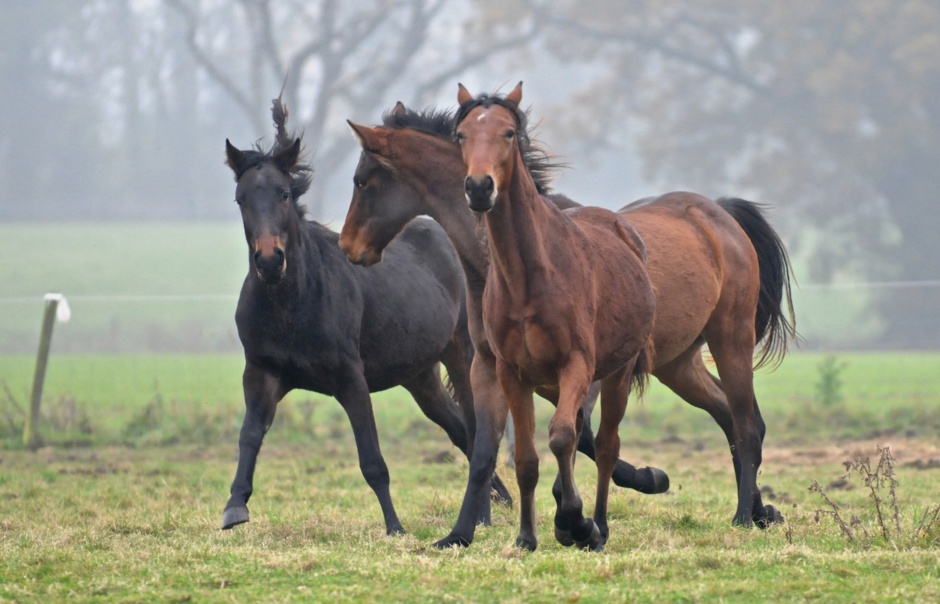
horse tail swishing meaning What a Horse’s Tail Swishing Really Means

Decoding Tail Swishes

Generally, a relaxed, gently swishing tail indicates a content and calm horse. However, vigorous swishing often signals irritation or discomfort. If the horse repeatedly swishes its tail and pins its ears back, it may be experiencing pain or fear.
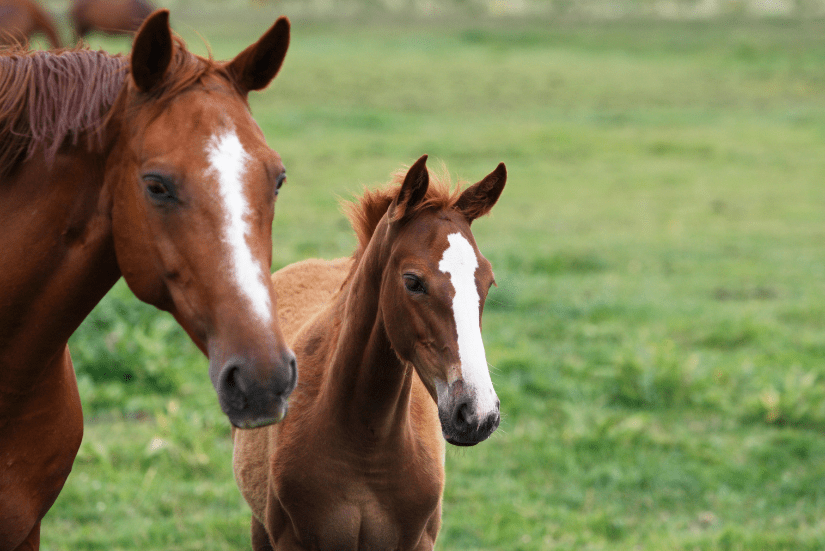
horse tail swishing meaning What a Horse’s Tail Swishing Really Means

Responding to Tail Swishing

Understanding the meaning behind tail swishing can help horse owners and handlers respond appropriately to their animals’ needs. If a horse is swishing its tail due to discomfort, it’s crucial to identify and address the cause. For more detailed information on horse behavior, you can visit this comprehensive guide on horse behavior.

In conclusion, tail swishing is a significant aspect of equine communication. By paying attention to this behavior, you can gain a deeper understanding of your horse’s emotions and needs. Remember to treat hooves gently and power your champion with the right nutrition for optimal health and performance.

←Previous
Next→

Recent Post

  • Safety Certifications for International Riding: A Global Guide
    Safety Certifications for International Riding: A Global Guide
    April 20, 2026
  • Difference Between Schooling and Show Helmets: Which Do You Need?
    Difference Between Schooling and Show Helmets: Which Do You Need?
    April 19, 2026
  • Importance of a Snug Riding Helmet Fit: Why It Matters in a Fall
    Importance of a Snug Riding Helmet Fit: Why It Matters in a Fall
    April 19, 2026
  • How to Travel With an Equestrian Helmet: Safe Transport Tips
    How to Travel With an Equestrian Helmet: Safe Transport Tips
    April 18, 2026
  • Guide to Equestrian Helmet Visor Safety: Fixed vs Flexible
    Guide to Equestrian Helmet Visor Safety: Fixed vs Flexible
    April 18, 2026
  • Why Equestrian Helmets Cover the Back of the Head: Impact Zones
    April 18, 2026
Of Horse

At Of Horse, we are dedicated to providing comprehensive resources for every aspect of the equine world. From expert advice on breeding and training to in-depth coverage of horse health, care, and first aid, we offer valuable insights for both horse and rider. Whether you’re exploring different disciplines, learning about the horse’s anatomy, or discovering the essential equipment for both horse and rider, our site is here to guide you. We are passionate about fostering a deeper connection between horses and riders, offering support every step of the way.

About Us | Contact Us | Terms of Use | Privacy Policy

© 2024, ofhorse.com. All Rights Reserved.

x