

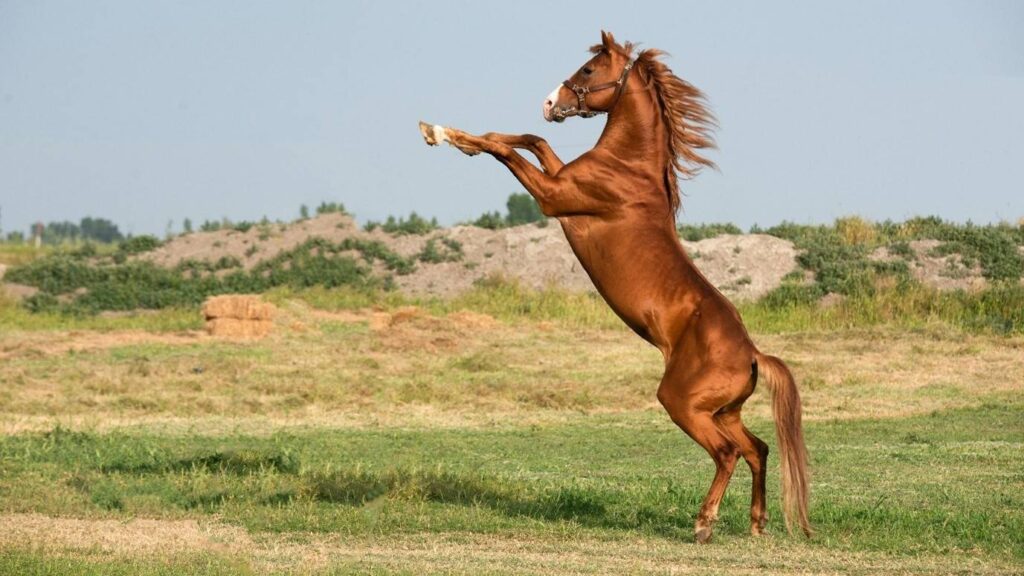
Understanding equine behavior is crucial for horse owners and handlers. Recognizing the signs of submission in horses can greatly aid in training and handling these majestic creatures. In this discussion, we will delve into the indicators of horse submission.
Submission in horses is a complex behavior that can be exhibited in various ways. It is important to note that these behaviors are not always indicative of fear or distress, but can also be a sign of respect and understanding of hierarchy within a herd.
Physical Indicators of Submission
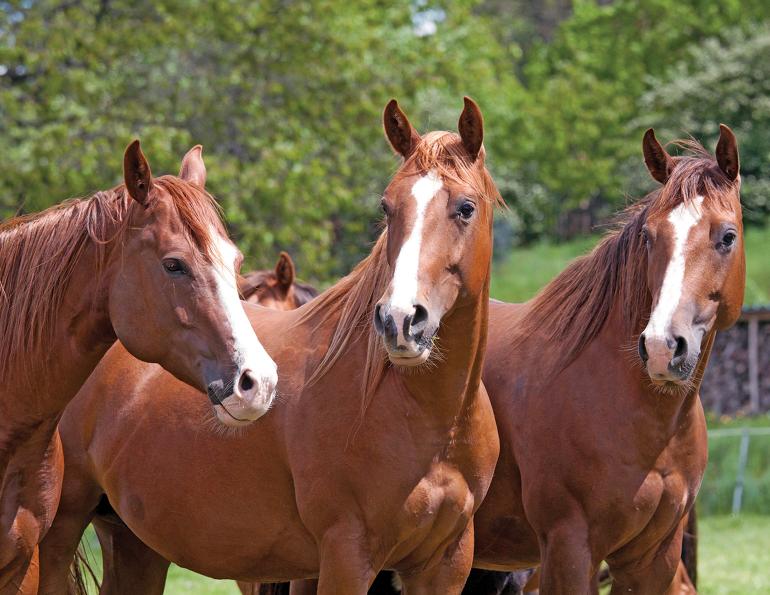
One of the most common physical signs of submission in horses is the lowering of the head and neck. This behavior is often accompanied by a relaxed body posture, with the ears slightly back and the tail hanging loosely. It’s also common for submissive horses to avoid direct eye contact with dominant horses.
Behavioral Signs of Submission
Behavioral signs of submission can include moving away from a more dominant horse, allowing the dominant horse to eat first, or grooming the dominant horse. These behaviors are all part of a horse’s natural social structure and are important for maintaining peace within the herd. For a more comprehensive understanding of equine behavior, consider checking out this equine behavior resource.
Understanding Submission in Horses
Recognizing and understanding these signs of submission can help horse owners and handlers to better communicate with their horses and create a more harmonious relationship. It’s important to remember that each horse is unique and may express submission in slightly different ways.
In conclusion, understanding the signs of submission in horses is a key part of effective horse management. It allows for smoother interactions and can help prevent misunderstandings that could lead to stress or injury. To ensure your horse’s well-being, consider products that smooth every hoof and supplements that help stronger muscles recover.