Of Horse
  • Home
  • Breeding
  • Disciplines
  • The Horse
    • Health & Care
    • Equipment
    • First Aid & Illness
  • The Rider
    • Equipment
    • Training
    • Rider’s Aid
  • Blog
Disciplines

Understanding Horse Mating Behavior

Wood Smith
October 23, 2025

Equine behavior, particularly in the context of reproduction, is a fascinating subject. The process by which horses mate and reproduce is a complex one, involving a series of behaviors and physiological responses. This article will delve into the intricacies of these behaviors, providing an informative guide on the subject.

The Reproductive Cycle of Horses

Understanding the reproductive cycle of horses is crucial to understanding their mating behaviors. Horses are seasonally polyestrous animals, meaning they have multiple estrous cycles during certain times of the year. The cycle is controlled by the length of daylight, with longer days stimulating the production of hormones that trigger estrus.
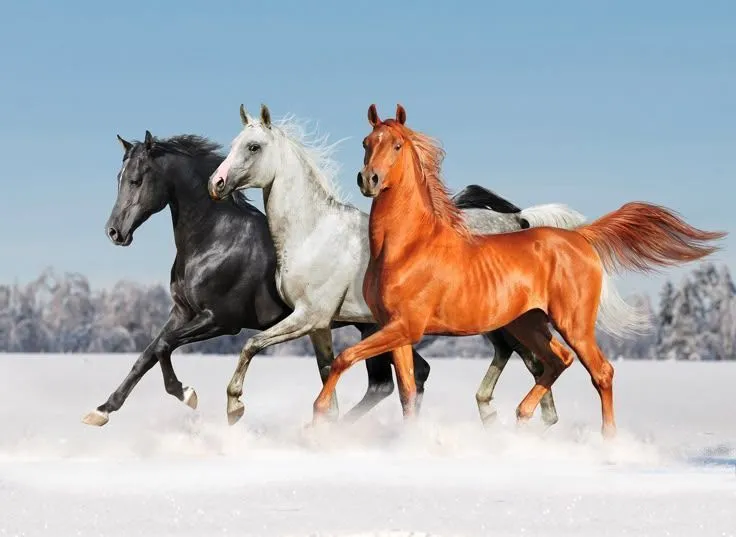
horse mating behavior Understanding Horse Mating Behavior

Behavioral Indicators of Readiness to Mate

Mares (female horses) exhibit certain behaviors when they are ready to mate, known as estrus behaviors. These can include increased urination, tail raising, and “winking” or exposing the clitoris. Stallions (male horses) also display certain behaviors when a mare is in estrus, such as increased restlessness, vocalizations, and erection.
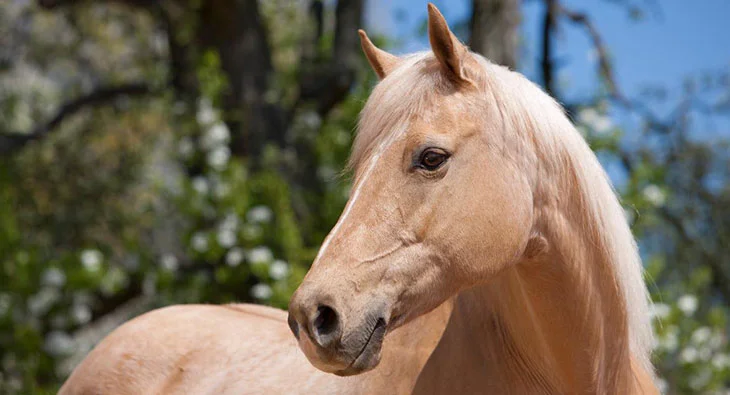
horse mating behavior Understanding Horse Mating Behavior

The Mating Process

The actual mating process in horses is relatively quick, typically lasting only a few minutes. The stallion will mount the mare from behind and achieve penetration. After ejaculation, the stallion will dismount and the mare will often urinate to clear the reproductive tract of any debris.

For a comprehensive understanding of equine behavior, consider referring to this descriptive book on equine behavior.

Conclusion

Understanding horse mating behavior can be both fascinating and useful, particularly for horse breeders and veterinarians. It is a complex process, influenced by a variety of factors including hormonal changes, environmental conditions, and individual characteristics of the horses involved.

To ensure your horse’s well-being during the mating season, it’s important to keep hooves healthy and consider all-natural equine care.

←Previous
Next→

Recent Post

  • Choosing a Helmet for Trail Riding: Durability and Comfort
    Choosing a Helmet for Trail Riding: Durability and Comfort
    April 23, 2026
  • Benefits of High-Visibility Riding Helmets for Road Safety
    Benefits of High-Visibility Riding Helmets for Road Safety
    April 22, 2026
  • Difference Between Foam and Gel Helmet Padding Explained
    Difference Between Foam and Gel Helmet Padding Explained
    April 22, 2026
  • Why Bike Helmets Are Unsafe for Horse Riding: Impact Differences
    Why Bike Helmets Are Unsafe for Horse Riding: Impact Differences
    April 22, 2026
  • Safety Certifications for International Riding: A Global Guide
    Safety Certifications for International Riding: A Global Guide
    April 20, 2026
  • Difference Between Schooling and Show Helmets: Which Do You Need?
    Difference Between Schooling and Show Helmets: Which Do You Need?
    April 19, 2026
Of Horse

At Of Horse, we are dedicated to providing comprehensive resources for every aspect of the equine world. From expert advice on breeding and training to in-depth coverage of horse health, care, and first aid, we offer valuable insights for both horse and rider. Whether you’re exploring different disciplines, learning about the horse’s anatomy, or discovering the essential equipment for both horse and rider, our site is here to guide you. We are passionate about fostering a deeper connection between horses and riders, offering support every step of the way.

About Us | Contact Us | Terms of Use | Privacy Policy

© 2024, ofhorse.com. All Rights Reserved.