
Of Horse
  • Home
  • Breeding
  • Disciplines
  • The Horse
    • Health & Care
    • Equipment
    • First Aid & Illness
  • The Rider
    • Equipment
    • Training
    • Rider’s Aid
  • Blog
Disciplines

Horse Licking and Chewing: What It Tells You

Wood Smith
October 23, 2025

Understanding the behavior of horses is an essential part of effective equine management. One aspect that can often be misunderstood is the licking and chewing behavior of horses. This article aims to shed light on this topic, helping you better understand your equine companion.

Interpreting Equine Behavior

Firstly, it’s important to understand that horses communicate largely through body language. Licking and chewing is a part of this communication system. If you notice your horse exhibiting this behavior, it’s worth taking a closer look to understand what it might mean.

horse licking and chewing behavior Horse Licking and Chewing: What It Tells You

What Does Licking and Chewing Mean?

There are several theories about why horses lick and chew. Some believe it’s a sign of submission or acceptance, while others suggest it could be related to the horse’s digestive system. However, it’s widely accepted that licking and chewing is a positive sign, indicating relaxation and contentment.
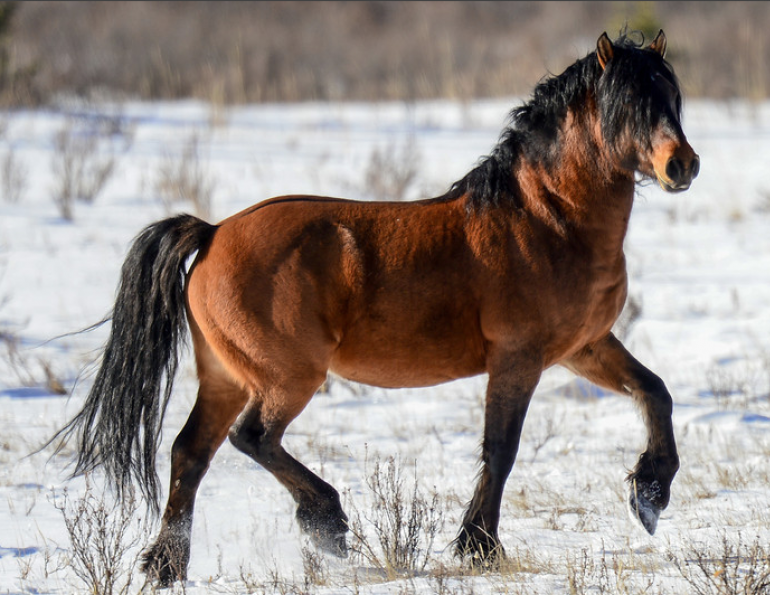
horse licking and chewing behavior Horse Licking and Chewing: What It Tells You

Observing Your Horse

Observing your horse’s behavior is key to understanding its needs and emotions. If you notice frequent licking and chewing, it could be a sign that your horse is comfortable and relaxed. However, if this behavior is accompanied by other signs of distress, it could indicate a problem. Always consult with an equine behaviorist if you’re unsure.

Conclusion

In conclusion, the licking and chewing behavior in horses is a fascinating aspect of their communication system. By understanding these behaviors, we can better care for our equine friends. To help maintain their health and happiness, consider products that prevent hoof damage and fuel performance naturally.

←Previous
Next→

Recent Post

  • Difference Between Entry-Level and Professional Riding Helmets
    Difference Between Entry-Level and Professional Riding Helmets
    April 30, 2026
  • How to Protect a Riding Helmet During Shipping and Transit
    How to Protect a Riding Helmet During Shipping and Transit
    April 30, 2026
  • How to Fit a Riding Helmet for Oval Heads: Expert Tips
    How to Fit a Riding Helmet for Oval Heads: Expert Tips
    April 29, 2026
  • Understanding the Role of the Outer Shell in Helmet Safety
    Understanding the Role of the Outer Shell in Helmet Safety
    April 29, 2026
  • How to Clean Riding Helmet Vents: Removing Dust and Debris
    How to Clean Riding Helmet Vents: Removing Dust and Debris
    April 28, 2026
  • Difference Between Matte and Textured Shells: Which to Choose?
    Difference Between Matte and Textured Shells: Which to Choose?
    April 28, 2026
Of Horse

At Of Horse, we are dedicated to providing comprehensive resources for every aspect of the equine world. From expert advice on breeding and training to in-depth coverage of horse health, care, and first aid, we offer valuable insights for both horse and rider. Whether you’re exploring different disciplines, learning about the horse’s anatomy, or discovering the essential equipment for both horse and rider, our site is here to guide you. We are passionate about fostering a deeper connection between horses and riders, offering support every step of the way.

About Us | Contact Us | Terms of Use | Privacy Policy

© 2024, ofhorse.com. All Rights Reserved.