Learning how to care for your horse’s coat, mane, tail, and hooves is essential for their health and comfort. For those new to equine care, understanding the horse grooming step by step process helps build trust between you and your horse while also preventing skin issues and injuries. This guide breaks down each stage in a clear, approachable way so you can confidently maintain your horse’s well-being.
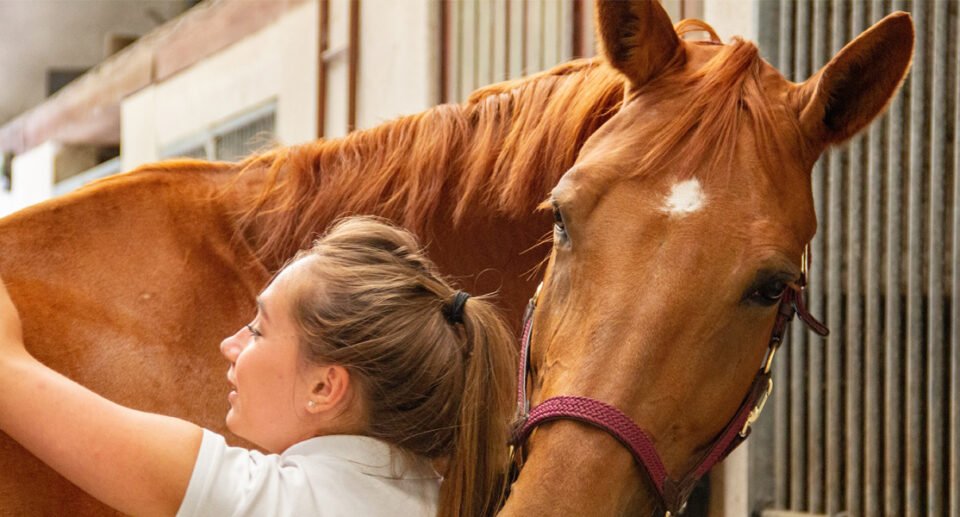
Regular grooming isn’t just about keeping your horse looking good—it’s a vital part of daily care. It allows you to check for cuts, swelling, or signs of discomfort, and it’s an excellent opportunity to bond. Whether you’re preparing for a ride, a show, or simply want your horse to be comfortable, following a structured routine is key.
If you’re interested in how grooming fits into broader equine care, you might also want to explore dressage training and horse soundness for more insights on keeping your horse in top condition.
Why a Structured Grooming Routine Matters
Establishing a consistent grooming process offers several benefits. Not only does it keep your horse’s coat clean and shiny, but it also helps distribute natural oils, stimulates circulation, and provides a chance to spot early signs of health issues. A well-groomed horse is less likely to develop skin infections, matting, or hoof problems.
Grooming also plays a role in training and behavior. Horses become accustomed to being handled, which makes veterinary care, farrier visits, and tacking up much easier. For those involved in competitive riding, such as dressage, maintaining a regular grooming schedule supports both appearance and performance.
Essential Tools for Grooming Success
Before you begin, gather the necessary equipment. Having the right tools on hand makes the process smoother and more effective. Here’s a basic list for beginners:
- Curry comb – loosens dirt and stimulates the skin
- Dandy brush – removes dirt and dried mud
- Body brush – smooths the coat and removes finer dust
- Mane and tail comb – detangles hair
- Hoof pick – cleans out hooves
- Soft cloth or sponge – wipes down sensitive areas
Investing in a complete set ensures you’re prepared for all aspects of care. For those looking to get started, consider a ready-made kit designed for beginners.
Step-by-Step Horse Grooming Instructions
Following a logical sequence ensures that you clean your horse thoroughly and safely. Here’s a breakdown of each step, from start to finish.
1. Secure Your Horse Safely
Begin by tying your horse in a safe, quiet area using a quick-release knot or cross-ties. Make sure the ground is level and free from hazards. This keeps both you and your horse comfortable and reduces the risk of accidents.
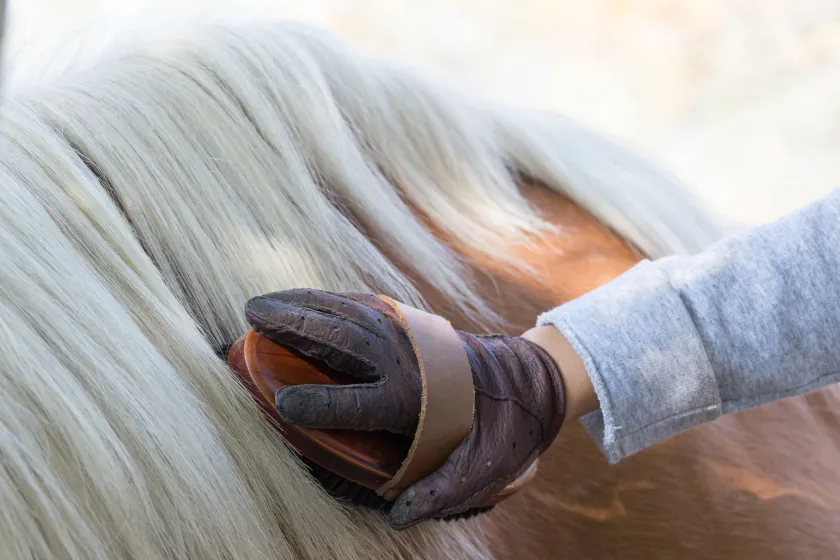
2. Start with the Curry Comb
Using a rubber curry comb, work in small, circular motions over the horse’s body (avoiding the face and legs). This loosens dirt, mud, and loose hair while massaging the skin. Be gentle around bony areas and sensitive spots.

3. Brush Away Dirt with a Dandy Brush
Next, use a stiff-bristled dandy brush in short, flicking strokes to remove the dirt and hair brought up by the curry comb. Work in the direction of hair growth, paying special attention to the neck, back, and sides. Avoid using this brush on the face and lower legs, as these areas are more sensitive.
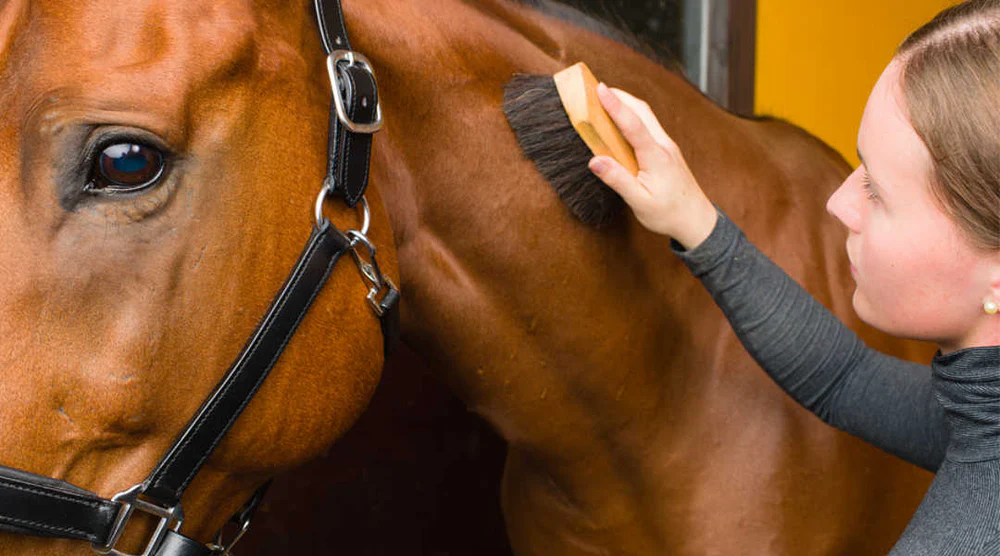
4. Smooth the Coat with a Body Brush
A soft body brush helps remove finer dust and adds shine to the coat. This brush can be used on the entire body, including the face and legs. Use gentle strokes, and take your time to ensure your horse is comfortable.
5. Detangle Mane and Tail
Carefully separate tangles in the mane and tail with your fingers before using a wide-toothed comb or brush. Start at the bottom and work your way up to avoid pulling out too much hair. For best results, use a detangling spray if needed.
6. Clean the Hooves
Pick up each hoof and use a hoof pick to remove dirt, stones, and debris. Always work from heel to toe and check for signs of thrush, cracks, or injuries. Regular hoof cleaning is crucial for preventing lameness and infections.
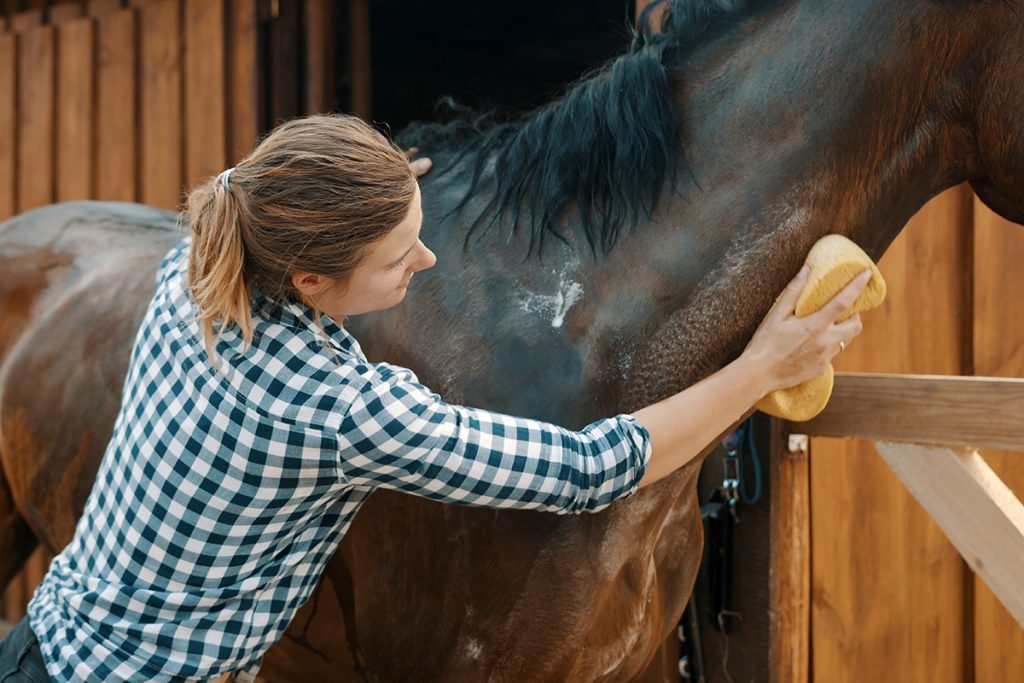
7. Wipe Down Sensitive Areas
Use a damp cloth or sponge to gently clean around the eyes, nostrils, and dock area. These spots are prone to collecting dust and dirt but require a soft touch.
Tips for Safe and Effective Grooming
- Always approach your horse calmly and speak softly.
- Check for cuts, swelling, or heat as you groom.
- Clean your brushes regularly to avoid spreading dirt or skin conditions.
- Be patient, especially with young or nervous horses.
- Reward your horse with gentle pats or treats for good behavior.
For more advice on post-exercise care, you might find cool-down exercises after dressage training helpful, especially if your horse is in regular work.
Common Grooming Mistakes to Avoid
Even with the best intentions, beginners sometimes make errors that can lead to discomfort or health issues for their horse. Here are a few things to watch out for:
- Using dirty or worn-out brushes
- Brushing too hard, especially on sensitive areas
- Neglecting the hooves or missing daily checks
- Skipping grooming sessions, which can lead to matting or skin problems
- Forgetting to check for ticks, cuts, or other issues during grooming
Further Resources and Learning
If you want to deepen your understanding of equine care, there are many resources available. For a comprehensive overview of grooming techniques, check out this detailed guide on horse grooming best practices. Continuing to learn and observe experienced handlers will help you refine your skills and keep your horse in excellent condition.
Frequently Asked Questions
How often should I groom my horse?
Ideally, horses should be groomed daily, especially if they are in regular work or turned out in muddy conditions. Daily grooming helps maintain coat health and allows you to check for injuries or changes in your horse’s condition.
What should I do if my horse doesn’t like being groomed?
Some horses are sensitive or nervous about grooming. Start slowly, use gentle brushes, and reward calm behavior. Over time, most horses learn to enjoy the process. If problems persist, consult a trainer or equine behaviorist.
Can I use human grooming products on my horse?
It’s best to use products specifically designed for equine care. Human shampoos and conditioners may contain ingredients that can irritate a horse’s skin or strip away natural oils.
Is grooming necessary if my horse lives outdoors?
Yes, even horses that live outside benefit from regular grooming. It helps remove mud, prevents matting, and gives you a chance to check for injuries or parasites.
By following these horse grooming step by step instructions and making grooming a regular part of your routine, you’ll help your horse stay healthy, comfortable, and happy. With practice, you’ll develop a system that works for both you and your horse, making each session enjoyable and productive.