

Maintaining a consistent horse grooming schedule throughout the year is essential for your horse’s health, comfort, and appearance. Each season brings unique challenges and requirements, from shedding heavy winter coats to protecting against summer pests. By adapting your grooming routine to the time of year, you can help prevent skin issues, promote circulation, and strengthen the bond with your horse.
Whether you’re a new horse owner or an experienced equestrian, understanding the seasonal adjustments needed for grooming ensures your horse stays clean, healthy, and happy. For those looking to fine-tune their daily care, the horse grooming routine checklist offers a comprehensive breakdown of essential steps and best practices.
Why a Year-Round Grooming Routine Matters
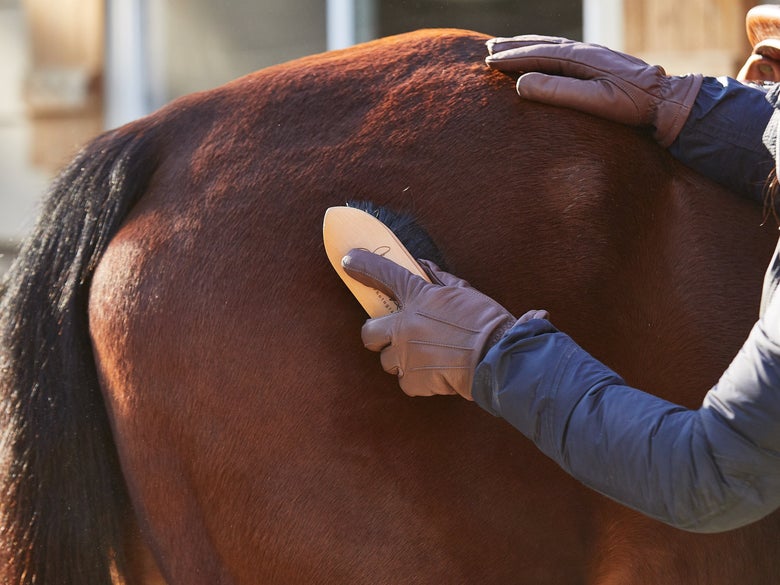
Horses depend on regular grooming for more than just a shiny coat. A well-structured care plan helps detect injuries, skin conditions, or parasites early. Grooming also supports muscle relaxation and circulation, especially after exercise or turnout. Adjusting your approach as the weather changes ensures your horse’s needs are met, regardless of the season.
Mistakes in technique or timing can lead to discomfort or health issues. To avoid common pitfalls, review these common horse grooming errors and their solutions.
Spring: Shedding and Skin Health
As temperatures rise, horses begin to shed their thick winter coats. This period requires extra attention to help remove loose hair and dead skin, preventing matting and irritation.
- Daily brushing with a curry comb and shedding blade to loosen hair.
- Use a stiff brush to remove dirt and dander.
- Inspect for rain rot or fungal infections, which are more common in damp conditions.
- Check hooves for signs of thrush due to wet ground.
- Consider a light bath if weather allows, but ensure the horse dries thoroughly.
For a step-by-step approach to seasonal care, the Ultimate Beginner’s Guide to Horse Grooming provides detailed instructions and helpful tips.
Summer: Managing Sweat, Dust, and Insects
Warmer months bring increased turnout, exercise, and exposure to flies and dust. Grooming during summer focuses on keeping the coat clean, minimizing sweat buildup, and protecting against pests.
- Bathe as needed to remove sweat and dirt, using mild shampoo.
- Apply fly spray after grooming to deter insects.
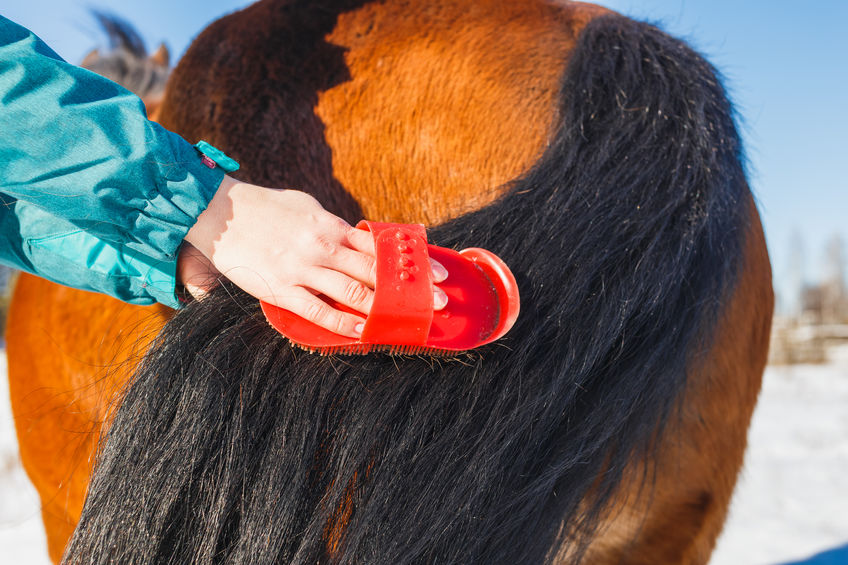
- Pay special attention to the mane and tail, detangling and checking for burrs or ticks.
- Wipe sensitive areas (face, ears) with a damp cloth.
- Monitor for sunburn on light-skinned horses; consider fly masks or sheets for protection.
Fall: Preparing for Cooler Weather
As days shorten and temperatures drop, horses start growing their winter coats. Grooming in autumn focuses on supporting this transition and maintaining skin health.
- Continue regular brushing to remove dust and stimulate oil production.
- Check for early signs of lice or mites, which may become more active as coats thicken.
- Clean and condition manes and tails to prevent tangling.
- Inspect blankets and adjust as needed to avoid rubs or sores.
- Monitor for mud fever if pastures are wet.
If you’re planning to clip your horse for winter, proper preparation is key. The horse grooming before clipping guide explains how to get the coat ready for a safe and effective clip.
Winter: Managing Thick Coats and Indoor Grooming
Cold weather and limited turnout can make grooming more challenging. Horses with full winter coats need special care to prevent skin problems and matting.
- Use a dandy brush to remove dried mud and sweat.
- Spot-clean with a damp cloth or grooming wipes instead of full baths.
- Check under blankets daily for rubs, sores, or trapped moisture.
- Keep hooves clean and dry to avoid ice buildup and thrush.
- Groom in a sheltered area to keep your horse comfortable.
Weekly and Monthly Tasks for Optimal Results
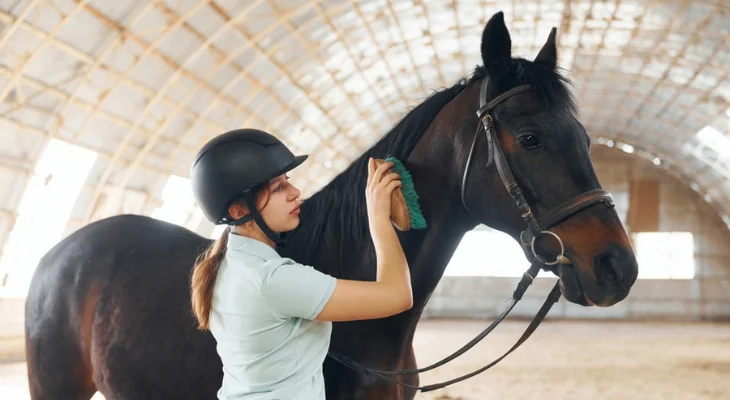
While daily care forms the foundation, certain tasks should be scheduled weekly or monthly to keep your horse in top condition:
- Deep clean grooming tools to prevent the spread of bacteria and fungi.
- Trim manes, tails, and fetlocks as needed for neatness and hygiene.
- Assess skin and coat for changes or signs of irritation.
- Schedule professional services such as dental checks or farrier visits.
- Review and adjust your grooming plan based on your horse’s workload and environment.
Tips for Efficient and Safe Grooming
Streamlining your routine saves time and reduces stress for both you and your horse. Here are a few practical suggestions:
- Keep all supplies organized in a portable tote or box.
- Work in a quiet, safe area with good lighting.
- Start with the same sequence each time to build trust and predictability.
- Use gentle, consistent pressure to avoid startling your horse.
- Stay alert for behavioral changes that may indicate discomfort or health issues.
Curious how long each session should take? Learn more about timing and efficiency in how long does horse grooming take.
Seasonal Grooming Do’s and Don’ts
Adapting your care plan to the time of year helps prevent mistakes and keeps your horse looking and feeling their best. For a quick refresher, check out the horse grooming dos and donts guide.
- Do adjust your technique and products for the season.
- Don’t over-bathe in cold weather or skip fly protection in summer.
- Do inspect your horse’s skin and coat regularly for early signs of trouble.
- Don’t neglect hoof care, regardless of the time of year.
Frequently Asked Questions
How often should I groom my horse in each season?
Daily grooming is ideal year-round, but the focus may shift depending on the season. In spring and fall, extra brushing helps with shedding. Summer may require more frequent baths, while winter routines emphasize spot cleaning and checking under blankets.
What tools are essential for a seasonal grooming routine?
Basic tools include a curry comb, stiff and soft brushes, mane and tail comb, hoof pick, and grooming cloths. For seasonal needs, add a shedding blade in spring, fly spray in summer, and grooming wipes for winter spot cleaning.
Can improper grooming cause health problems?
Yes, neglecting regular care or using the wrong techniques can lead to skin infections, matting, or hoof issues. Following a structured plan and adjusting for seasonal changes helps prevent these problems.
Where can I find a detailed checklist for daily and weekly grooming?
For a comprehensive breakdown of daily and weekly tasks, visit the horse grooming routine checklist.