Establishing a consistent horse grooming routine checklist is essential for every horse owner. Regular grooming not only keeps your horse looking its best but also supports overall health, comfort, and the bond you share. By following a structured approach, you can ensure that your horse’s coat, skin, hooves, and mane remain in optimal condition, while also monitoring for any early signs of health issues.
Whether you’re new to horse care or looking to refine your daily habits, this guide breaks down the essential steps, tools, and best practices for a thorough grooming session. You’ll also find tips to avoid common mistakes and links to further resources, such as this horse grooming dos and donts guide, to help you master every aspect of equine care.
Why a Structured Grooming Routine Matters
A well-defined grooming regimen offers more than just a shiny coat. It helps prevent skin conditions, reduces the risk of infections, and allows you to spot injuries or abnormalities early. Consistent care also improves circulation and can be a calming, bonding experience for both horse and handler.
Following a horse grooming routine checklist ensures that no critical step is missed, making each session efficient and effective. It’s also a great way to introduce young or nervous horses to handling, building trust over time.
Essential Tools for Daily Grooming
Before starting, gather all necessary equipment. Having the right tools on hand streamlines the process and ensures you can address every part of your horse’s body safely and thoroughly.
- Curry comb: Loosens dirt, mud, and loose hair from the coat.
- Dandy brush: Removes debris lifted by the curry comb.
- Body brush: Smooths the coat and brings out natural oils.
- Mane and tail comb: Detangles and cleans the mane and tail.
- Hoof pick: Cleans out hooves, removing stones and debris.
- Sponge or soft cloth: Wipes sensitive areas like the face and dock.
- Shedding blade (seasonal): Helps remove winter coats in spring.
Investing in a quality grooming kit can make a significant difference in both the ease and effectiveness of your routine.
Step-by-Step Horse Grooming Routine
Following a logical sequence helps ensure your horse is thoroughly cleaned and checked from head to hoof. Here’s a breakdown of the key steps to include in your daily care:
- Secure Your Horse: Always tie your horse safely using a quick-release knot or cross-ties in a calm, familiar area.
- Pick Out Hooves: Start by cleaning each hoof with a hoof pick, checking for stones, cracks, or signs of thrush.
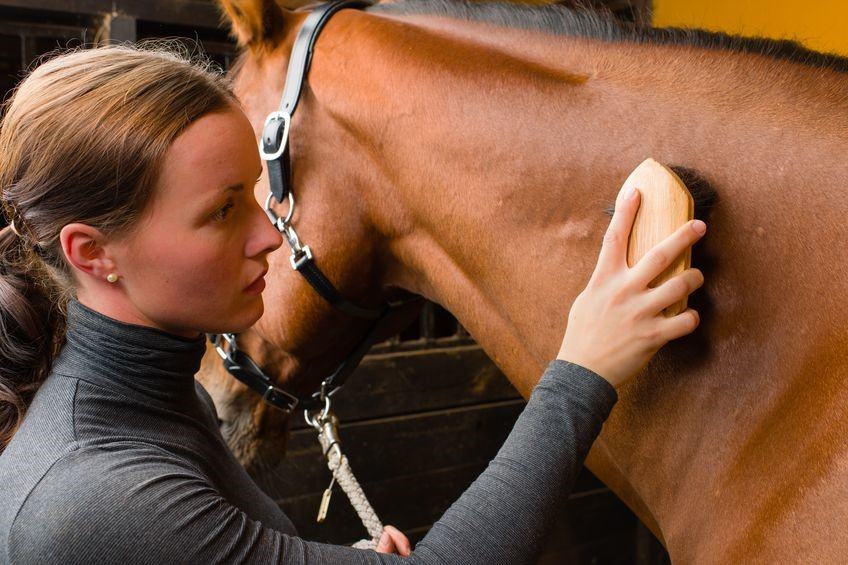
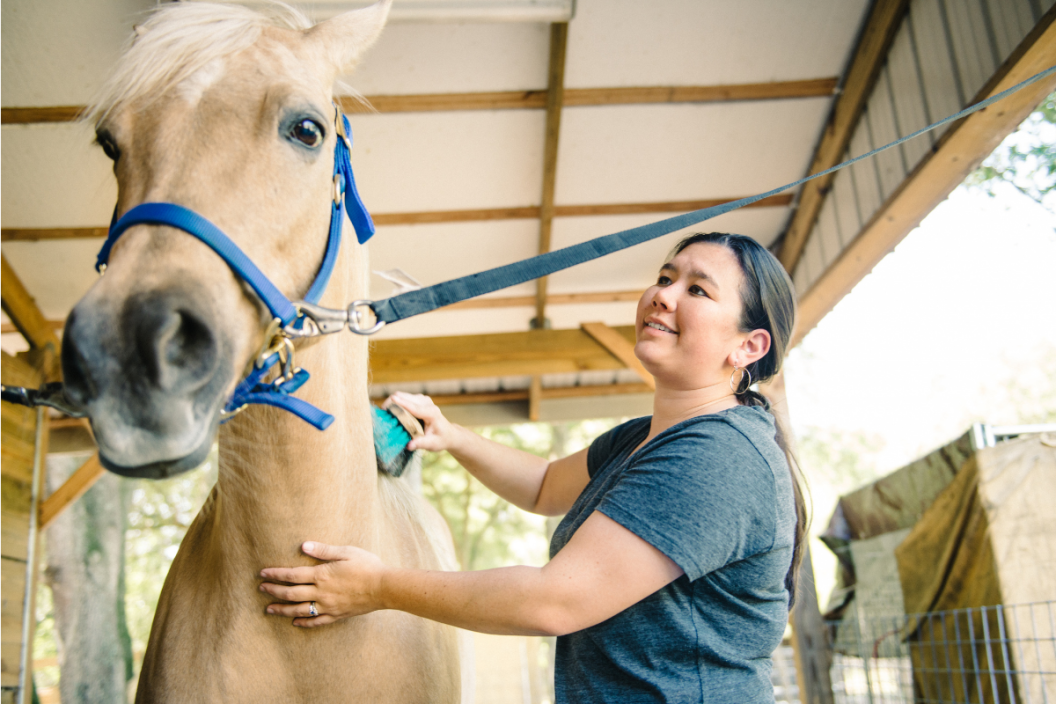
- Curry the Coat: Use a rubber curry comb in gentle circular motions to loosen dirt and stimulate skin oils.
- Brush Away Debris: Follow with a stiff dandy brush to sweep away dirt and hair, working in the direction of hair growth.
- Smooth and Shine: Use a soft body brush to remove fine dust and bring out a healthy shine.
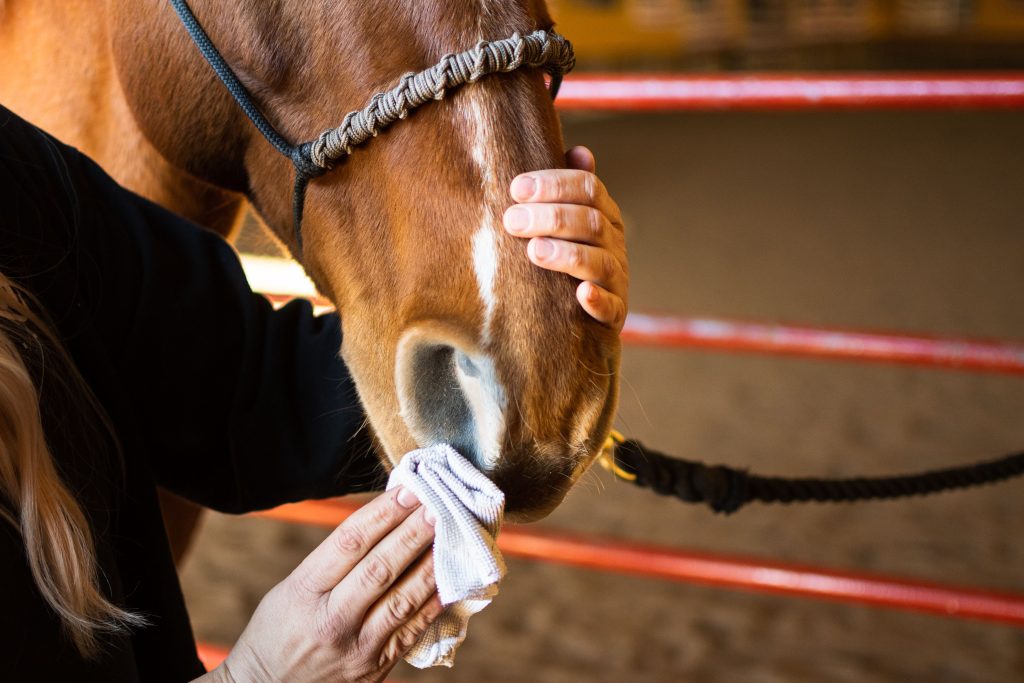
- Clean Sensitive Areas: Gently wipe the face, ears, and dock with a damp sponge or cloth.
- Detangle Mane and Tail: Carefully comb through the mane and tail, starting at the ends and working upward to avoid breakage.
- Final Check: Look for cuts, swelling, heat, or signs of irritation as you groom. This is also a good time to check for ticks or parasites.
Weekly and Seasonal Grooming Tasks
While daily care is crucial, some tasks should be performed on a weekly or seasonal basis to maintain your horse’s health and comfort. These include:
- Deep cleaning: Wash the mane and tail with equine shampoo as needed.
- Sheath or udder cleaning: Schedule regular checks and cleaning for hygiene.
- Clipping and trimming: Trim bridle paths, fetlocks, and whiskers for neatness.
- Shedding blade use: In spring, help remove the winter coat for comfort.
- Blanket care: Clean and inspect blankets or sheets, especially during seasonal transitions.
For more detailed advice on avoiding mistakes, see the common horse grooming errors article.
Health Monitoring During Grooming
Grooming is an ideal time to perform a quick health check. Look for:
- Unusual lumps, bumps, or swelling
- Heat or pain in legs and hooves
- Skin irritations, hair loss, or parasites
- Changes in appetite, behavior, or energy
If you notice anything concerning, consult your veterinarian promptly. For a comprehensive list of what to watch for, refer to this horse grooming health check resource.
Tips for a Safe and Enjoyable Grooming Experience
- Always approach your horse calmly and speak softly.
- Use gentle, consistent strokes to avoid startling sensitive horses.
- Check and clean grooming tools regularly to prevent skin irritation.
- Reward your horse with praise or a treat to reinforce positive behavior.
- Be patient, especially with young or nervous animals.
For strategies on parasite prevention during grooming, visit the horse grooming for parasite control page.
Printable Horse Grooming Routine Checklist
Keeping a written or digital checklist can help you stay organized and ensure nothing is missed. Here’s a sample you can adapt for your barn:
| Task | Frequency | Notes |
|---|---|---|
| Pick out hooves | Daily | Check for stones, cracks, thrush |
| Curry comb body | Daily | Loosen dirt and hair |
| Dandy/body brush | Daily | Remove debris, smooth coat |
| Clean face/dock | Daily | Use damp sponge or cloth |
| Detangle mane/tail | Daily | Use comb or brush |
| Wash mane/tail | Weekly/as needed | Use equine shampoo |
| Sheath/udder cleaning | Monthly/as needed | Check with vet for guidance |
| Health check | Daily | Look for injuries, parasites |
For a more detailed breakdown, see the horse grooming checklist for daily and weekly care.
Additional Resources for Grooming Success
If you want to take your grooming skills further, there are many helpful guides and tutorials available. For example, this step-by-step guide to making your horse shine offers practical advice for achieving professional results.
Frequently Asked Questions
How often should I groom my horse?
Daily grooming is recommended for most horses, especially those in regular work. This helps maintain coat health, prevents skin issues, and allows for early detection of injuries or parasites. Horses kept outside or not ridden frequently may require less intensive grooming but should still be checked regularly.
What are the most important tools for a grooming routine?
The essentials include a curry comb, dandy brush, body brush, mane and tail comb, hoof pick, and a soft sponge or cloth. These cover all areas of the horse’s body and ensure thorough cleaning and inspection.
Can grooming help prevent health problems?
Yes, regular grooming supports skin and coat health, improves circulation, and allows you to spot early signs of issues like infections, wounds, or parasites. It’s an important part of preventive care for every horse.
Where can I learn more about avoiding grooming mistakes?
For more information on common pitfalls and how to fix them, check out the common horse grooming errors resource.