


Keeping a horse’s mane smooth and free from tangles is a key part of regular equine care. A well-maintained mane not only looks attractive but also helps prevent discomfort and skin issues for your horse. For both new and experienced equestrians, understanding the right techniques and tools for grooming is essential. This article offers a practical overview of mane comb selection, detangling strategies, and best practices for maintaining healthy, manageable hair.
Alongside the mane, proper grooming also includes attention to safety gear. If you’re interested in learning about helmet selection for riding, check out this helpful resource on how to choose a helmet for eventing.
Why Mane Care Matters in Equine Grooming
Regularly combing and caring for your horse’s mane is about more than just appearance. A tangled or matted mane can lead to skin irritation, harbor debris, and even cause discomfort during riding or turnout. By using the right mane comb and following a consistent grooming routine, you help keep your horse comfortable and looking its best.
Proper mane maintenance also supports overall skin health. Dirt, sweat, and loose hair can accumulate at the roots, so detangling and cleaning the mane prevents buildup and allows for better inspection of the skin underneath.
Choosing the Best Mane Comb for Your Horse
Selecting the right comb is a crucial step in any horse grooming mane comb guide. Mane combs come in various shapes, sizes, and materials, each suited to different hair types and grooming needs.
- Plastic combs: Lightweight and affordable, these are gentle on the mane but may not last as long as metal options.
- Metal combs: Durable and effective for thick or coarse hair, but can be harsh if used with too much force.
- Wide-tooth combs: Ideal for detangling long or easily knotted manes, as they reduce breakage and minimize pulling.
- Combination brushes: Some grooming tools combine bristles and comb teeth for multi-purpose use, helping to smooth and detangle at once.
When choosing a comb, consider your horse’s hair texture and length. For sensitive horses, opt for rounded teeth and smooth edges to prevent scratching the skin.
Step-by-Step Mane Detangling Techniques
Achieving a tangle-free mane requires patience and the right approach. Follow these steps for effective detangling:
- Start with clean, dry hair: Wash the mane if it’s dirty, and let it dry completely before combing. Wet hair is more prone to breakage.
- Apply a detangler: Use a horse-safe detangling spray or conditioner to soften knots and make combing easier.
- Work in sections: Divide the mane into manageable sections. Hold each section near the roots to avoid pulling on the skin.
- Begin at the ends: Gently comb from the tips upward, working out small tangles before moving closer to the roots.
- Use slow, gentle strokes: Avoid yanking or forcing the comb through tough knots. For stubborn tangles, use your fingers to loosen before combing.
Consistency is key. Regular, gentle grooming prevents severe tangles and keeps the mane healthy over time.
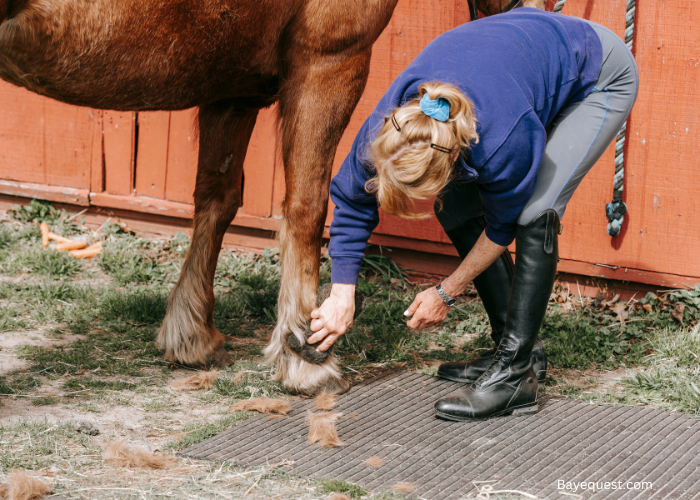
Essential Tips for Preventing Mane Tangles
Prevention is just as important as detangling. Here are some practical tips to keep your horse’s mane in top condition:
- Groom regularly: Daily or every-other-day combing prevents knots from forming and makes each session easier.
- Braid for turnout: For horses with long manes, loose braids can help minimize tangling during pasture time. Avoid tight braids, which can cause breakage.
- Keep manes trimmed: Regularly trimming split or damaged ends helps maintain a healthy, manageable length.
- Use appropriate products: Choose detanglers and conditioners designed for horses to avoid residue or irritation.
- Check for debris: Remove burrs, hay, and other foreign objects promptly to prevent matting.
By following these tips, you’ll reduce the risk of severe tangles and keep your horse’s mane looking its best.
Recommended Grooming Routine and Product Care
Establishing a consistent grooming routine is vital for both the horse’s comfort and the longevity of your tools. After each use, clean your mane comb by removing hair and washing with mild soap and water. Dry thoroughly to prevent rust or buildup, especially with metal combs.
Store grooming tools in a dry, clean area. Inspect combs regularly for broken teeth or sharp edges that could damage the mane or irritate the skin.

Additional Resources for Equestrian Grooming
For those seeking a more comprehensive approach to horse care, there are many resources available. The ultimate beginner’s guide to horse grooming provides a step-by-step overview of equestrian care, from basic brushing to advanced techniques.
Remember, grooming is not just about appearance—it’s a chance to bond with your horse and monitor its health. By using the right mane comb and following the strategies outlined above, you’ll ensure your horse’s mane stays healthy, tangle-free, and beautiful.
Frequently Asked Questions
How often should I comb my horse’s mane?
For most horses, combing the mane every day or every other day is ideal. Regular grooming prevents tangles from forming and makes each session easier and more comfortable for your horse.
What type of mane comb is best for sensitive horses?
Horses with sensitive skin benefit from wide-tooth combs made of plastic or rubber, as these are gentler and less likely to scratch or pull. Always look for combs with rounded teeth and smooth edges.
Can I use human hair products on my horse’s mane?
It’s best to use products specifically formulated for horses. Human hair sprays and conditioners may contain ingredients that can irritate a horse’s skin or leave unwanted residue. Stick to equine-safe detanglers and conditioners for the healthiest results.