Keeping your horse comfortable and itch-free is essential for their health and happiness. Regular grooming not only keeps their coat looking its best but also plays a vital role in managing skin irritation and preventing discomfort. This guide explores practical techniques and tips for horse grooming for itch relief, helping you address common causes of itching and promote overall well-being.
Whether your horse is dealing with seasonal shedding, insect bites, or dry skin, the right grooming routine can make a significant difference. By understanding the causes of itchiness and using the proper tools and methods, you can ensure your horse feels relaxed and content throughout the year.
For those interested in adapting their grooming routine to the seasons, you might also find valuable advice in our horse grooming in spring guide, which covers seasonal care tips to keep your horse comfortable as the weather changes.
Understanding Why Horses Itch
Horses can experience itching for a variety of reasons. Common causes include shedding, insect bites, dry skin, allergies, and reactions to sweat or dirt. Identifying the root cause is the first step in providing effective relief. Sometimes, environmental factors such as dust or pollen can also contribute to irritation.
If your horse frequently rubs against fences, stalls, or trees, it may be a sign of discomfort. Persistent scratching can lead to hair loss, skin damage, and even secondary infections. By incorporating grooming for itch relief into your regular care routine, you can help prevent these issues and keep your horse’s skin healthy.
Essential Tools for Itch-Reducing Grooming
The right grooming tools make a noticeable difference in your horse’s comfort. Here are some essentials for managing itchiness:
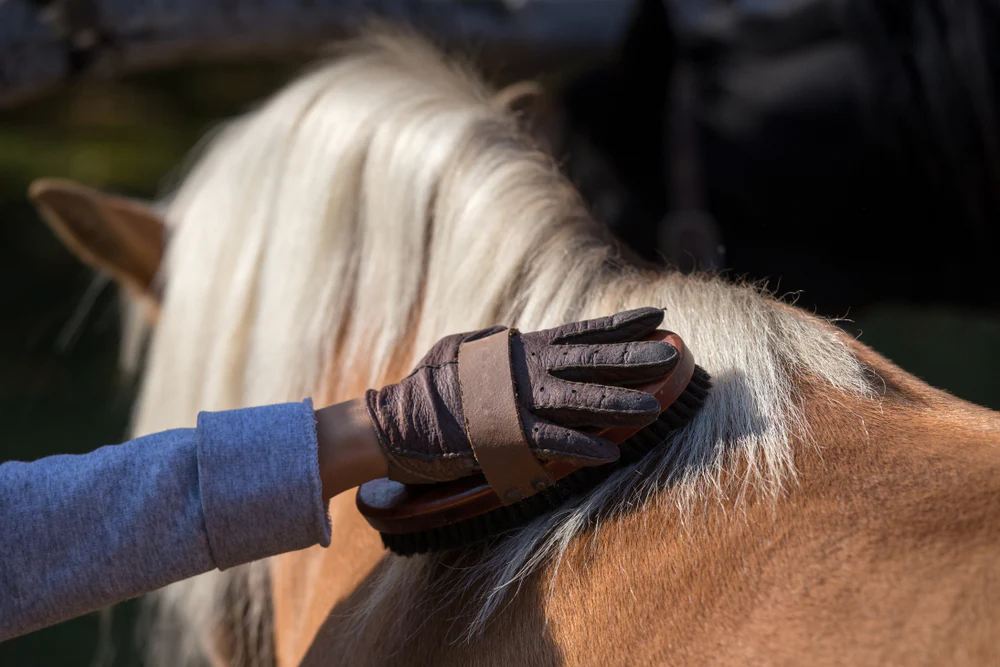
- Curry combs: Loosen dirt, dead skin, and hair, stimulating natural oils that soothe the skin.
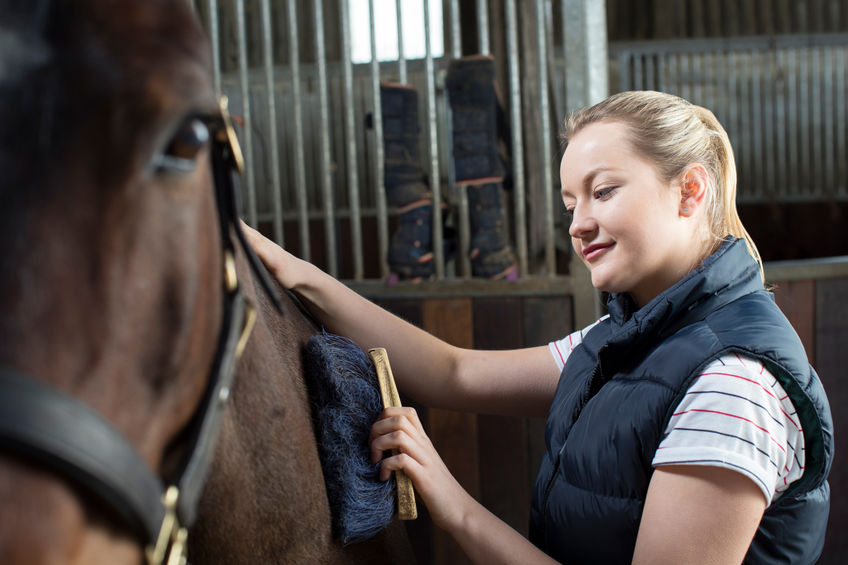
- Soft brushes: Remove fine dust and distribute oils for a shiny, healthy coat.
- Mane and tail combs: Detangle hair and prevent matting, which can trap irritants.
- Shedding blades: Help remove excess hair during seasonal changes, reducing itch caused by loose fur.
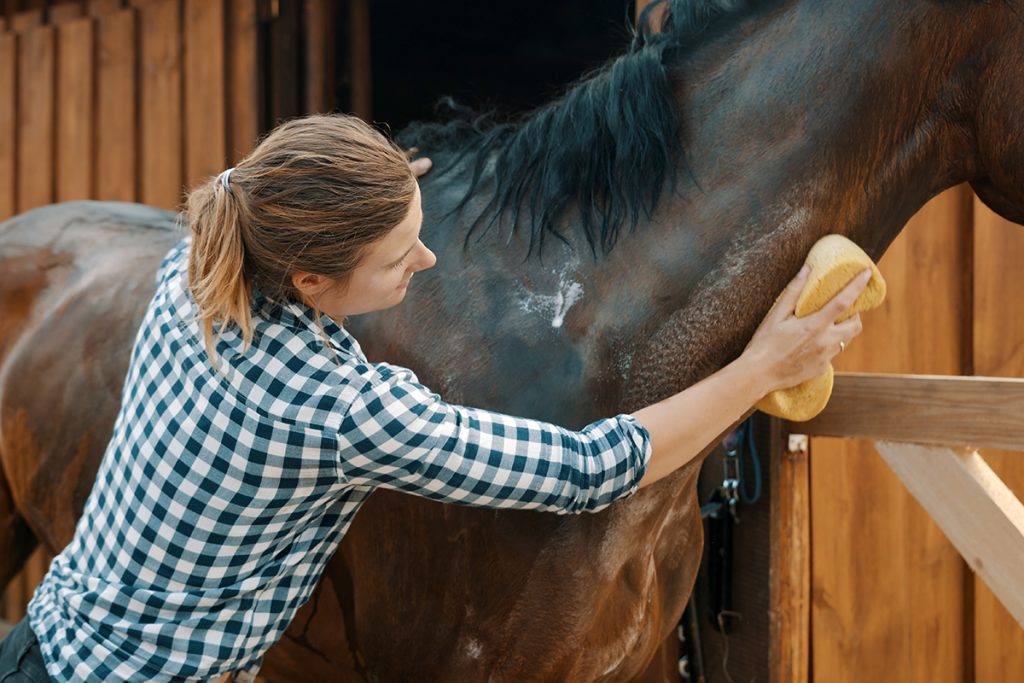
- Sponges and cloths: Gently clean sensitive areas and wipe away sweat or debris.
Investing in a complete set of grooming tools ensures you can address different types of itchiness effectively. For a step-by-step approach to achieving a healthy shine and comfort, you may want to explore this easy horse grooming routine.
Step-by-Step Routine for Soothing Itchy Horses
A consistent grooming schedule is key to minimizing discomfort. Here’s a practical routine focused on itch relief through grooming:
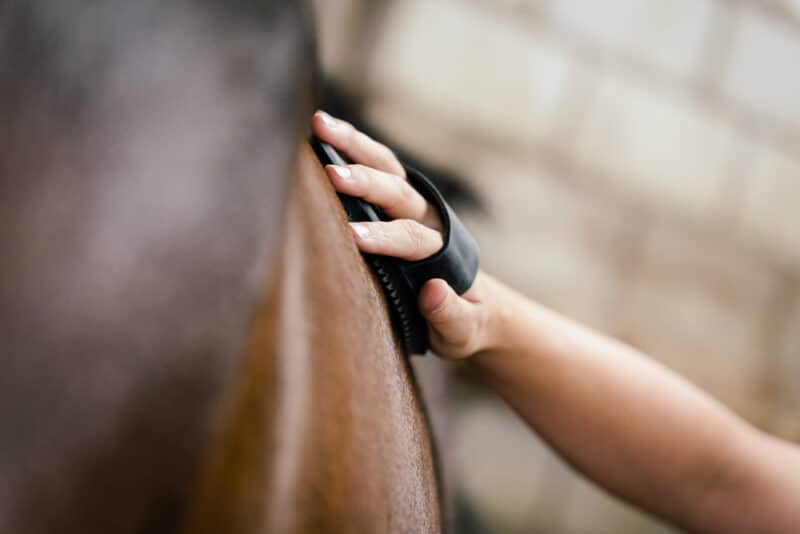
- Start with a curry comb: Use gentle, circular motions to loosen dirt and dead skin. Focus on areas where your horse tends to scratch or rub.
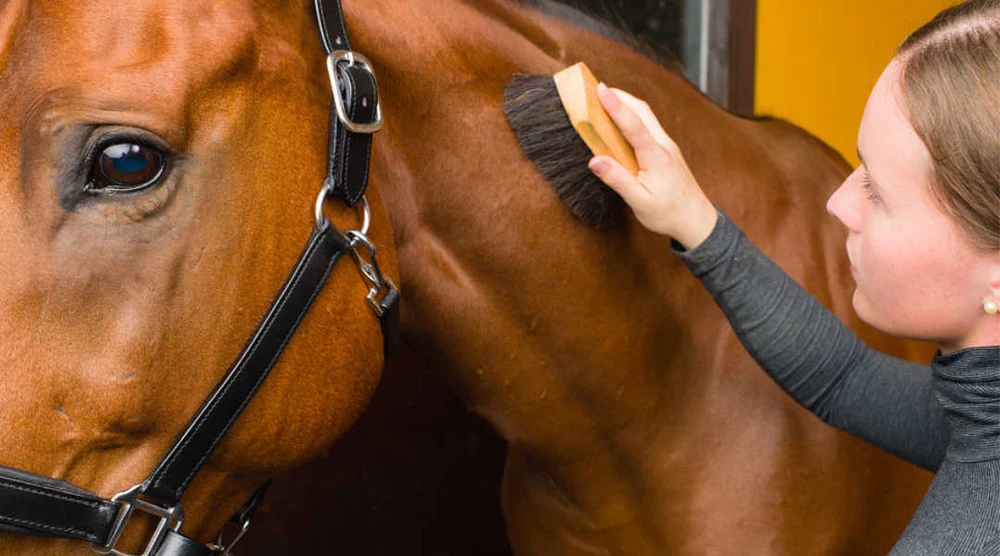
- Brush away debris: Follow up with a stiff brush to remove loosened hair and dirt. Use a softer brush for sensitive spots like the face and belly.
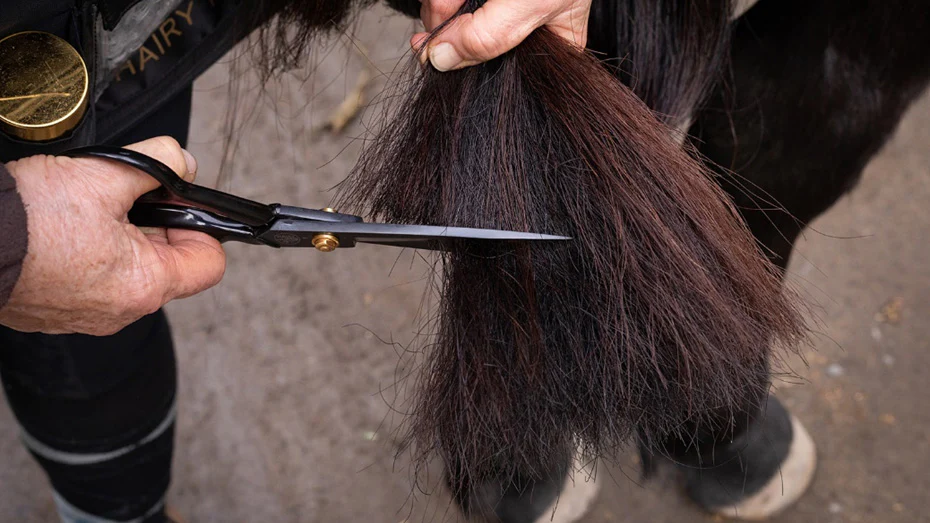
- Detangle mane and tail: Carefully work through knots with a wide-tooth comb or your fingers. Avoid pulling, as this can irritate the skin further.
- Check for skin issues: Look for signs of redness, bumps, or scabs. Address minor irritations with soothing sprays or ointments designed for equine use.
- Finish with a damp cloth: Wipe down sweaty or dirty areas, especially after exercise or on hot days, to remove salt and prevent chafing.
Addressing Seasonal and Environmental Triggers
Itchiness often worsens during certain times of the year. Shedding in spring and fall, increased insect activity in summer, and dry skin in winter all require specific care strategies. Adjusting your grooming approach according to the season can help prevent flare-ups.
For example, during hot weather, frequent rinsing and sweat removal are crucial. For more tips on keeping your horse comfortable in the heat, see our horse grooming in hot weather article. In winter, using moisturizing sprays and avoiding over-bathing can help maintain skin hydration. If you’re looking for advice tailored to cold conditions, our winter horse grooming tips provide additional insights.
Special Considerations for Sensitive Areas
Some parts of your horse’s body are more prone to irritation and require extra care. The face, ears, underbelly, and legs often have thinner skin and can be sensitive to harsh brushes or excessive friction. Use soft brushes and gentle strokes in these regions.
Pay attention to the eyes and muzzle, where dust and debris can accumulate. For guidance on cleaning around the eyes safely, refer to our horse grooming eye cleaning resource. Always check for ticks, burrs, or insect bites, and treat any wounds promptly to prevent further itching.
When to Seek Veterinary Advice
While most cases of itchiness can be managed with proper grooming, persistent or severe symptoms may indicate an underlying health issue. If your horse develops open sores, significant hair loss, or shows signs of distress, consult your veterinarian. Conditions like sweet itch, fungal infections, or allergies may require medical treatment in addition to grooming.
Keeping a close eye on your horse’s skin and coat during grooming sessions helps you spot problems early and take action before they worsen.
Frequently Asked Questions
How often should I groom my horse to reduce itching?
Regular grooming—ideally daily or at least several times a week—helps remove irritants and stimulates natural oils that protect the skin. Consistency is key, especially during shedding seasons or when your horse is exposed to dust and insects.
What products are safe for soothing itchy skin?
Use equine-specific shampoos, conditioners, and sprays designed for sensitive skin. Avoid harsh chemicals or human products, as these can worsen irritation. Oatmeal-based or aloe vera products are often gentle and effective for soothing discomfort.
Can grooming help with allergies?
While grooming cannot cure allergies, it can minimize symptoms by removing allergens like pollen, dust, and dander from the coat. Regular cleaning of grooming tools and equipment also helps prevent the spread of irritants.
Is it normal for horses to scratch after grooming?
Some horses may scratch briefly after grooming, especially if loose hair or sweat remains. However, persistent or intense scratching may indicate a need to adjust your grooming routine or investigate underlying causes.
Conclusion
A thoughtful approach to horse grooming for itch relief not only keeps your horse looking great but also supports their comfort and health. By using the right tools, adapting to seasonal needs, and paying attention to sensitive areas, you can help your horse enjoy a life free from unnecessary itching and irritation. Remember, a well-groomed horse is a happy horse—so make grooming a regular, enjoyable part of your care routine.
For more tips on post-exercise care, our horse grooming after competition article offers advice on recovery and comfort following strenuous activity.