Keeping your horse healthy and comfortable starts with good grooming habits. Whether you’re new to equine care or looking to refine your routine, understanding the essential horse grooming dos and donts is key. Proper grooming not only improves your horse’s appearance but also supports their well-being, helps you spot health issues early, and strengthens the bond between you and your animal.
This article covers practical advice for every stage of the grooming process. You’ll find tips on what to do, common mistakes to avoid, and how to make grooming an effective part of your horse’s daily care. For a more detailed breakdown of daily and weekly routines, you can also refer to this horse grooming checklist.
Why Following Horse Grooming Dos and Don’ts Matters
Consistent grooming is more than just keeping your horse looking tidy. It’s a hands-on opportunity to check for injuries, skin conditions, and signs of illness. By following the right steps and avoiding common pitfalls, you help prevent discomfort, promote circulation, and keep your horse’s coat and skin in top condition.
Grooming also offers a chance to build trust. Horses quickly learn to associate grooming with positive attention when it’s done correctly. On the other hand, skipping steps or using the wrong techniques can lead to stress, skin problems, or even injuries.
Essential Dos for Effective Horse Grooming
To get the most out of your grooming routine, keep these best practices in mind:
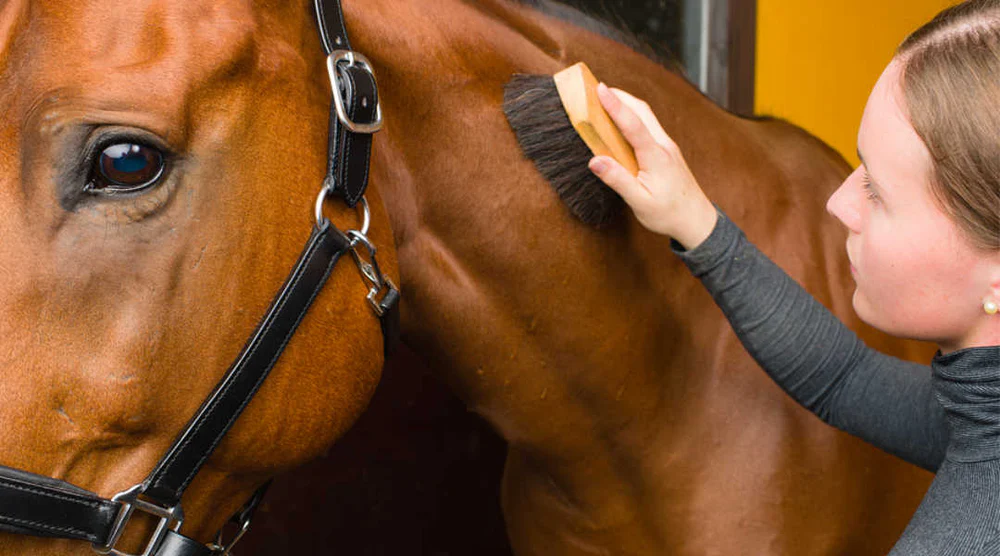
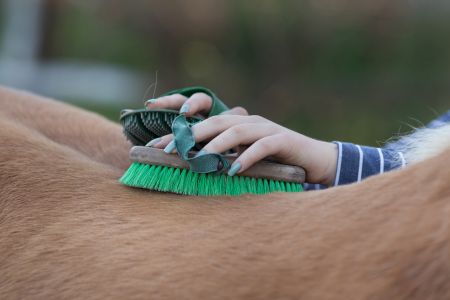
- Use the right tools for each area. Curry combs, body brushes, and mane combs each serve a specific purpose. Using the appropriate brush helps remove dirt without irritating your horse’s skin.
- Work from head to tail. Start at the top and move methodically down the body. This ensures you don’t miss any spots and helps your horse anticipate your movements.
- Clean hooves daily. Pick out hooves before and after riding to prevent stones, debris, and thrush. Regular hoof checks are vital for overall hoof health.
- Check for injuries or abnormalities. As you groom, feel for heat, swelling, cuts, or bumps. Early detection of issues can prevent more serious health problems.
- Be gentle and patient. Use firm but kind strokes. Pay attention to your horse’s reactions and adjust your technique if they show signs of discomfort.
- Keep your grooming kit clean. Dirty brushes can spread bacteria and skin conditions. Wash your tools regularly to maintain hygiene.
Common Mistakes to Avoid During Grooming
Even experienced owners can fall into bad habits. Here are some of the most frequent errors and how to steer clear of them:
- Skipping sensitive areas. Don’t neglect the face, under the belly, or between the legs. Use a soft brush and be extra gentle in these spots.
- Using dirty or worn-out brushes. Old, clogged brushes can irritate the skin and spread infections. Replace grooming tools as needed.
- Brushing against the hair growth. Always brush in the direction of hair growth to avoid discomfort and breakage.
- Neglecting to check for parasites. Regular grooming helps you spot ticks, lice, or mites. For more on this, see our guide on horse grooming for parasite control.
- Over-bathing your horse. Too many baths can strip natural oils and dry out the skin. Bathe only when necessary, using mild equine shampoos. For safe bathing techniques, review how to bathe a horse.
- Ignoring signs of illness. Changes in coat condition, unexplained hair loss, or skin lesions may signal health issues. Learn what to watch for in our horse grooming health check and horse grooming signs of illness articles.
Choosing and Maintaining Your Grooming Tools
The quality of your grooming kit can make a significant difference. Invest in sturdy, comfortable brushes and combs designed for horses. After each session, remove hair and dirt from your tools and store them in a clean, dry place. Disinfect brushes regularly, especially if you care for multiple horses, to prevent the spread of skin conditions.
If you’re looking for a reliable starter set, consider options that include a curry comb, stiff and soft brushes, mane and tail comb, hoof pick, and a grooming mitt. This ensures you have everything needed for a thorough routine.
Safety and Comfort: Keeping Your Horse Calm
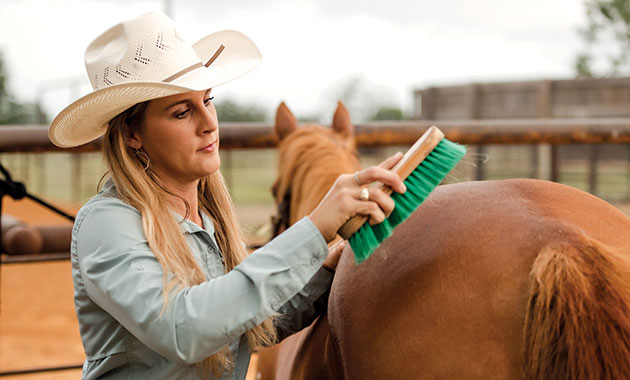
A relaxed horse is easier to groom and less likely to react unpredictably. Always approach from the side, speak softly, and let your horse see and smell the tools before you begin. If your horse is anxious or fidgety, start with gentle strokes and take breaks as needed.
Secure your horse in a safe area, such as cross-ties or with a quick-release knot. Never leave your horse unattended while tied. Watch for signs of discomfort, such as pinned ears or tail swishing, and adjust your approach accordingly.
When to Seek Professional Advice
Some grooming concerns require expert input. If you notice persistent skin issues, unexplained lameness, or behavioral changes during grooming, consult your veterinarian or an experienced equine professional. For a comprehensive overview of basic grooming principles, you might find this guide to horse grooming basics helpful.
FAQ: Horse Grooming Best Practices
How often should I groom my horse?
Ideally, horses should be groomed daily, especially if they are in regular work. Daily grooming removes dirt, sweat, and loose hair, and gives you a chance to check for injuries or health concerns. If daily grooming isn’t possible, aim for a thorough session at least several times a week.
What are the most important tools for grooming?
A basic kit should include a curry comb, stiff brush, soft brush, mane and tail comb, hoof pick, and a sponge or grooming mitt. Each tool serves a unique function, from loosening dirt to smoothing the coat and cleaning sensitive areas.
Can grooming help prevent health problems?
Yes, regular grooming is a proactive way to spot early signs of illness, injury, or parasites. It also improves circulation, helps distribute natural oils, and can prevent skin infections when done with clean tools and proper technique.