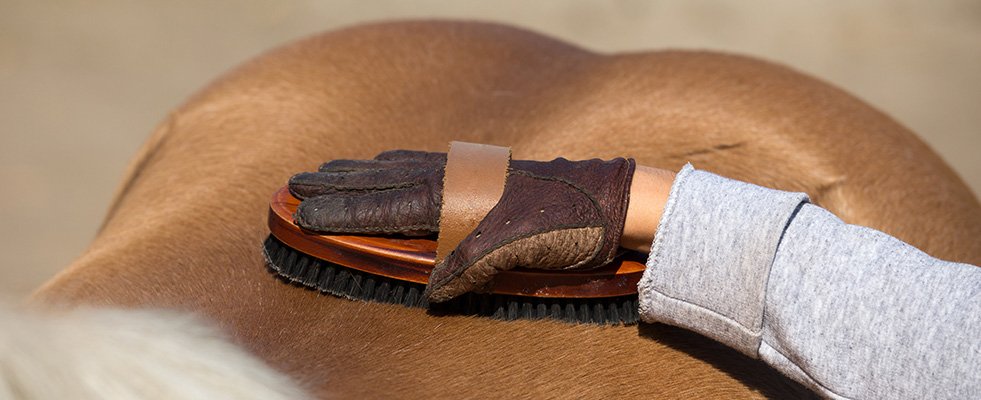
Keeping your horse clean and healthy is a fundamental part of responsible ownership. A regular grooming routine not only improves your horse’s appearance but also supports their overall well-being. Understanding horse grooming basics helps prevent skin issues, builds trust between you and your horse, and allows you to spot injuries or health concerns early.
Whether you’re new to horse care or looking to refresh your routine, this guide covers the essential tools, techniques, and tips for maintaining your horse’s coat, mane, tail, and hooves. For those interested in how grooming fits into a broader training and care regimen, you may also want to explore dressage training and horse soundness for additional insights.
Essential Tools for Daily Horse Care
Before starting any grooming session, gather the necessary equipment. Having the right tools makes the process more effective and comfortable for your horse. Here are the basic items every owner should have:
- Curry comb: Loosens dirt, mud, and loose hair from the coat.
- Dandy brush: Removes the debris brought to the surface by the curry comb.
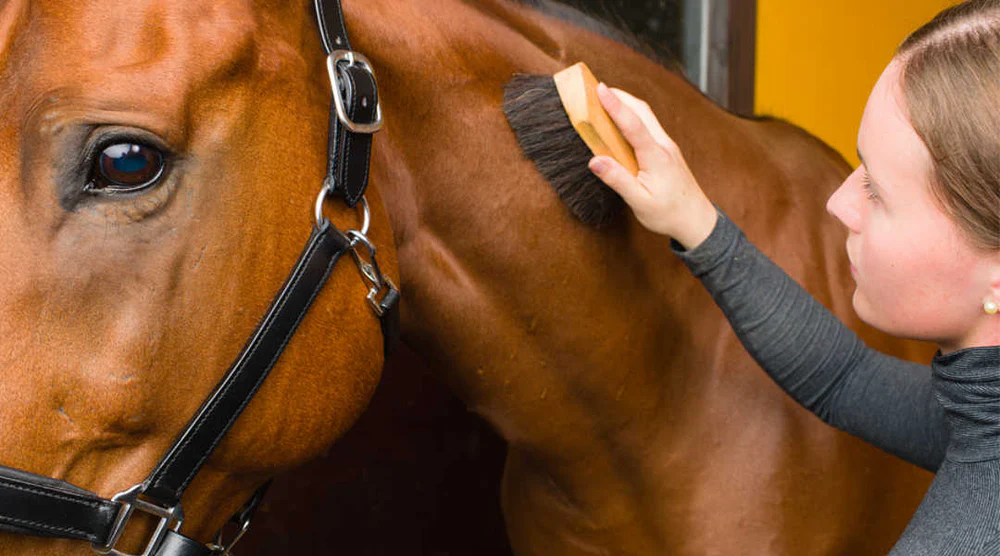
- Body brush: Soft-bristled for smoothing the coat and removing finer dust.
- Mane and tail comb: Detangles and smooths out knots.
- Hoof pick: Cleans out the hooves and checks for stones or injuries.
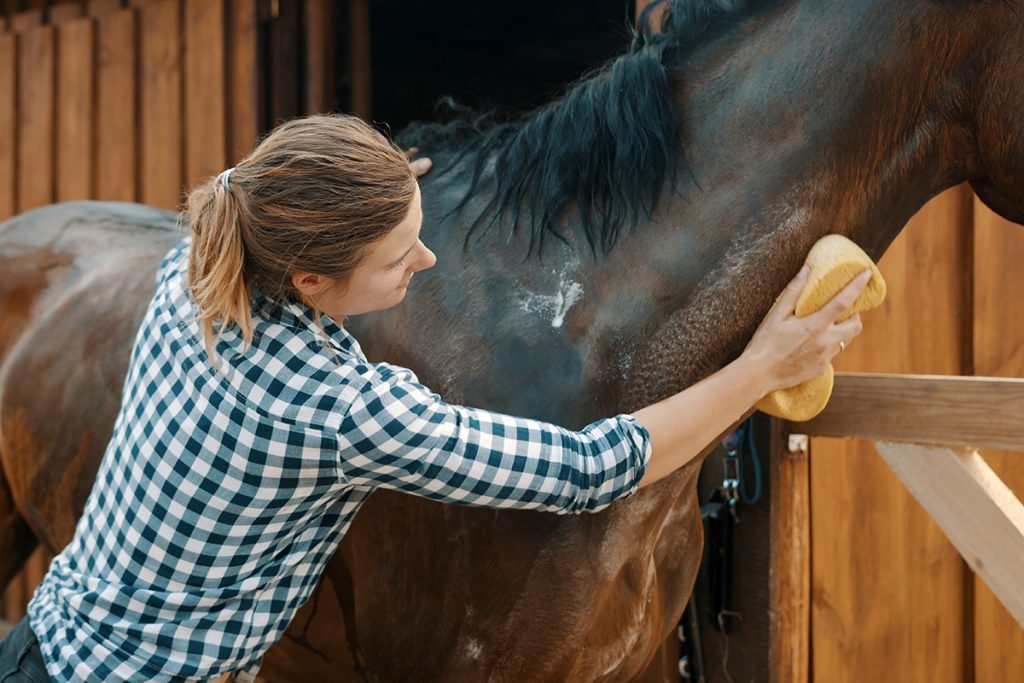
- Sponge or cloth: Useful for cleaning the face and sensitive areas.
Investing in a quality grooming kit ensures you have everything needed for daily care. If you’re looking for a reliable set, see the recommendation after the next image.
Step-by-Step Guide to Horse Grooming Basics
Following a consistent order helps keep your grooming routine efficient and thorough. Here’s a breakdown of the fundamental steps:
- Secure your horse in a safe, quiet area using a quick-release knot or cross-ties.
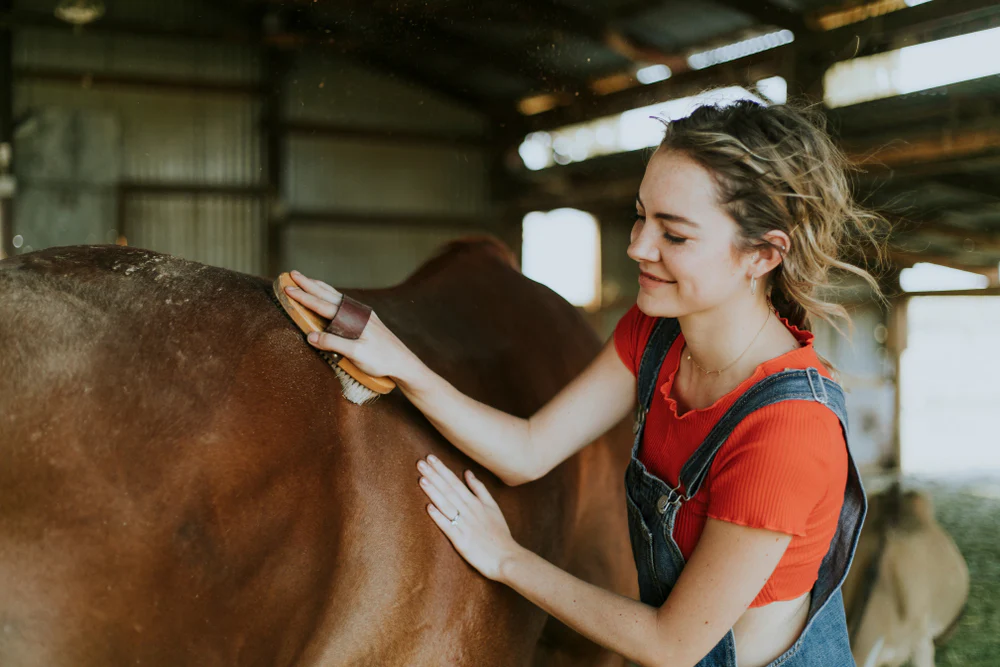
- Use the curry comb in circular motions to loosen dirt and stimulate the skin. Focus on large, muscular areas and avoid bony or sensitive spots.
- Brush with the dandy brush to flick away dirt and hair. Use short, brisk strokes in the direction of hair growth.
- Smooth the coat with a body brush, working from head to tail. This step brings out the natural shine and removes fine dust.
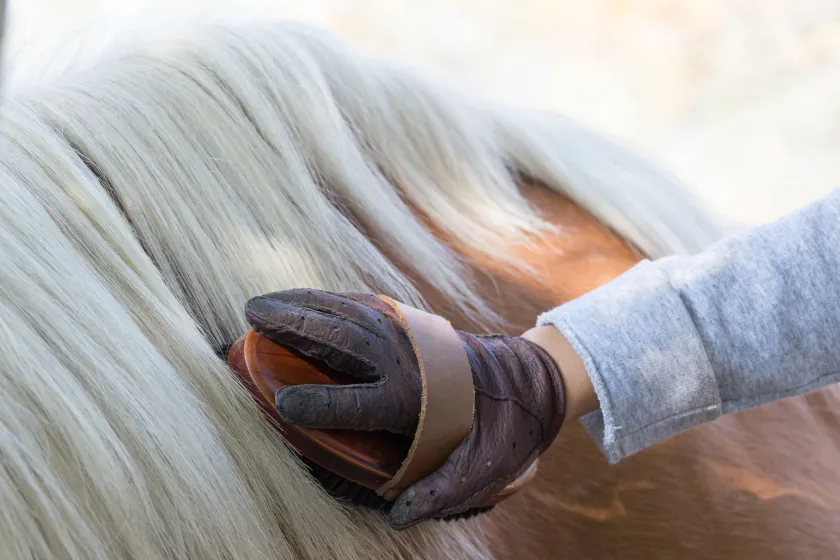
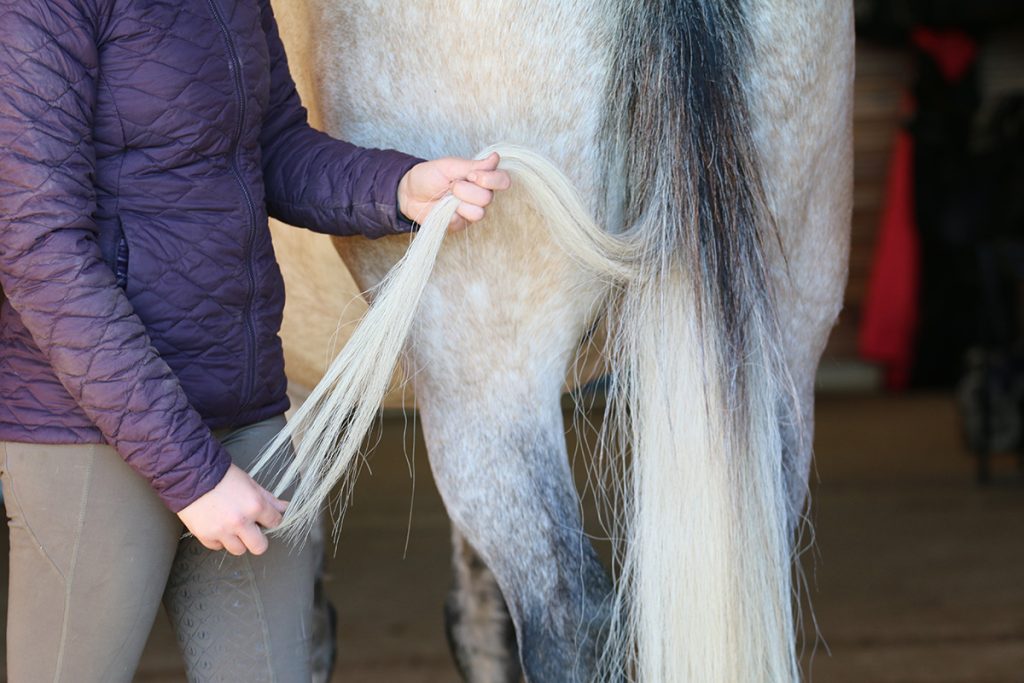
- Clean the mane and tail by gently combing through tangles. Use your fingers to separate knots before using a comb to prevent breakage.
- Wipe the face and sensitive areas with a damp sponge or cloth. Be gentle around the eyes, nostrils, and dock.
- Pick out the hooves carefully, removing stones, mud, and debris. Check for signs of thrush or injury.
Benefits of a Consistent Grooming Routine
Regular grooming offers more than just a clean appearance. It’s a vital part of horse care that contributes to your animal’s health and happiness. Here are some of the main advantages:
- Early detection of health issues: Grooming allows you to spot cuts, swelling, skin conditions, or parasites before they become serious.
- Improved circulation: The massaging action of brushes stimulates blood flow, supporting healthy skin and coat.
- Bonding opportunity: Spending time grooming builds trust and strengthens your relationship with your horse.
- Reduced risk of saddle sores: Clean, debris-free coats help prevent irritation under tack.
- Shinier, healthier appearance: Removing dirt and distributing natural oils leaves the coat glossy and smooth.
For those who ride regularly, incorporating grooming into your pre- and post-ride routine can also enhance performance and comfort. You might also be interested in cool-down exercises after dressage training to further support your horse’s recovery.
Common Mistakes to Avoid in Horse Grooming
Even experienced owners can overlook certain aspects of grooming. Here are some pitfalls to watch out for:
- Skipping daily checks: Neglecting regular grooming can allow minor issues to go unnoticed.
- Using dirty or worn-out brushes: Old tools can spread bacteria or irritate the skin.
- Being too rough: Excessive force, especially on sensitive areas, can make horses anxious or uncomfortable.
- Neglecting the hooves: Hoof care is as important as coat care—always pick out hooves and check for problems.
- Forgetting seasonal adjustments: Horses may need extra attention during shedding seasons or in muddy conditions.
For a more detailed walkthrough, you can refer to this step-by-step guide to horse grooming for additional professional tips.
Advanced Tips for a Healthy Coat and Mane
Once you’ve mastered the basics, you can enhance your grooming routine with a few advanced techniques:
- Use detangler sprays on the mane and tail to reduce breakage and make brushing easier.
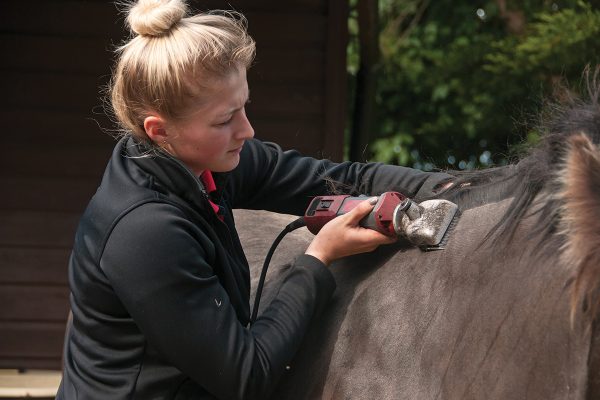
- Trim excess hair around fetlocks and bridle paths for a neater appearance.
- Check for skin conditions like rain rot or fungal infections, especially in wet weather.
- Rotate brushes regularly to keep them clean and effective.
- Reward your horse with treats or gentle words to reinforce positive behavior during grooming.
If you’re working with sport or show horses, you may also want to learn about stretching exercises for dressage horses to keep your horse in top condition.
Integrating Grooming with Broader Horse Care
Grooming is just one part of a comprehensive horse care routine. Combine it with proper nutrition, exercise, and rest for the best results. For example, regular grooming can be paired with warm-up routines for dressage to prepare your horse for training or competition.
Remember to adjust your grooming approach based on your horse’s age, breed, and activity level. Older horses or those with sensitive skin may require gentler handling and specialized products.
Don’t underestimate the importance of downtime. Allowing your horse to rest and recover, as discussed in rest days in dressage training, is essential for both physical and mental health.
Frequently Asked Questions
How often should I groom my horse?
Ideally, horses should be groomed daily. Regular grooming keeps the coat clean, helps you monitor your horse’s health, and strengthens your bond. If daily grooming isn’t possible, aim for at least a few times a week, especially before and after riding.
What should I do if my horse has sensitive skin?
For horses with sensitive skin, choose soft-bristled brushes and avoid harsh grooming products. Be gentle, especially around the face and legs. If you notice persistent irritation, consult your veterinarian for advice on suitable grooming tools and products.
Can grooming help prevent health problems?
Yes, regular grooming is key to early detection of cuts, swelling, parasites, and skin conditions. It also helps prevent matting and reduces the risk of saddle sores. Consistent care supports your horse’s overall health and comfort.