Keeping horses healthy and comfortable requires more than just feeding and exercise. Horse grooming at stable environments is a daily responsibility that supports your horse’s well-being, appearance, and bond with handlers. Whether you’re preparing for a show or simply maintaining everyday care, understanding the right tools, techniques, and routines is essential for both the animal’s comfort and your own safety.
This article covers expert advice for stable grooming, from assembling a practical toolkit to mastering the step-by-step process. For those who prefer visual instruction, you can also explore our horse grooming video guide for additional tips and demonstrations.
Why Consistent Grooming Matters in the Stable
Regular grooming at the stable goes beyond keeping your horse looking its best. It helps detect injuries, skin conditions, and parasites early. Daily brushing also distributes natural oils, which protect the coat and skin. Grooming is a key opportunity to strengthen trust and communication between horse and handler, making future handling and training easier.
For beginners, a stepwise approach is helpful. Our horse grooming step by step for beginners guide offers a detailed walk-through for those new to the process.
Essential Grooming Tools for Stable Care
Having the right equipment makes horse grooming at stable settings efficient and safe. A basic grooming kit should include:
- Curry comb: Loosens dirt and stimulates skin.
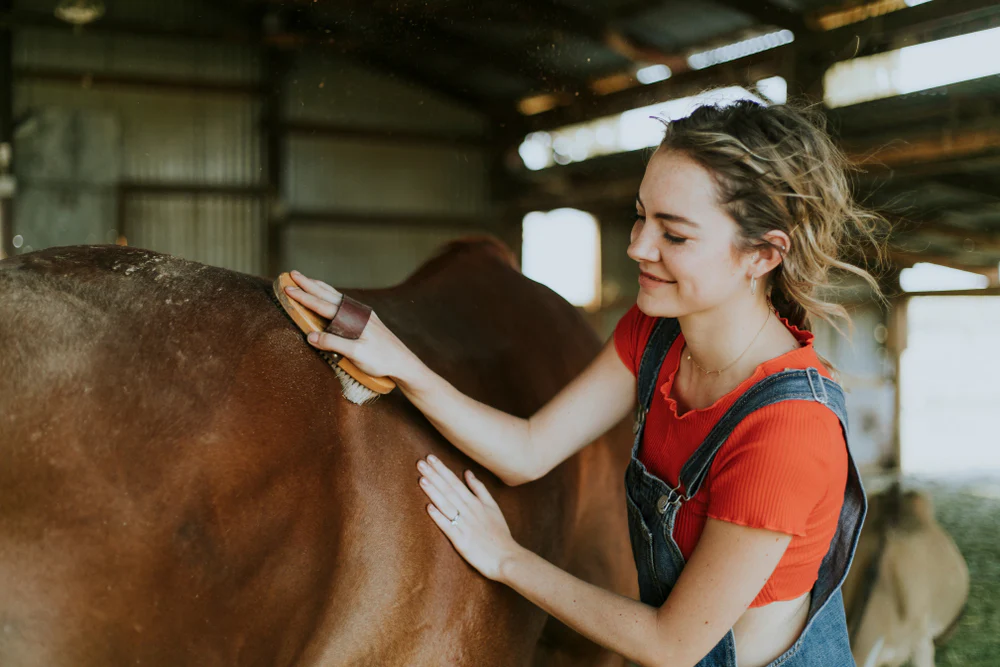
- Dandy brush: Removes heavier debris from the coat.
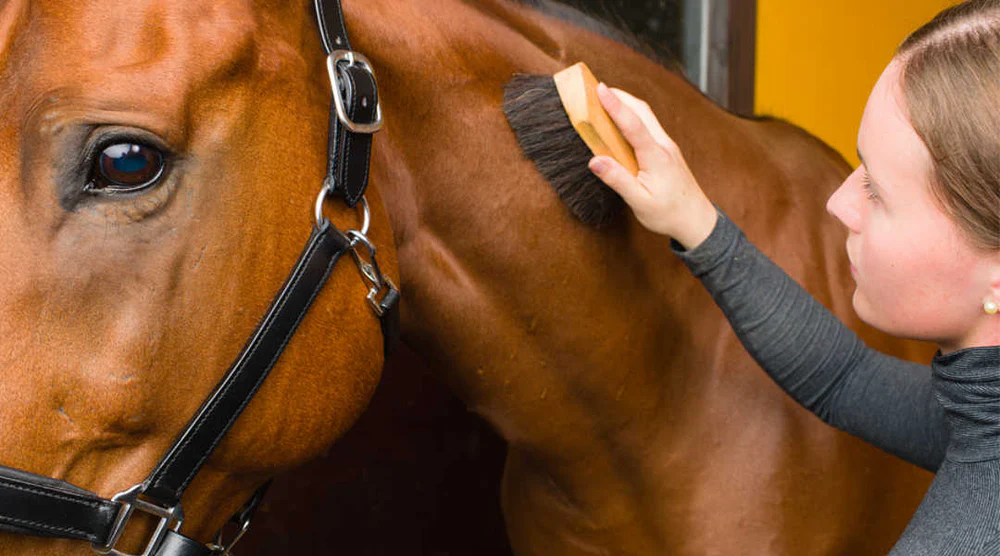
- Body brush: Soft bristles for finishing and sensitive areas.
- Mane and tail comb: Detangles without breaking hair.
- Hoof pick: Cleans hooves and checks for stones or injuries.
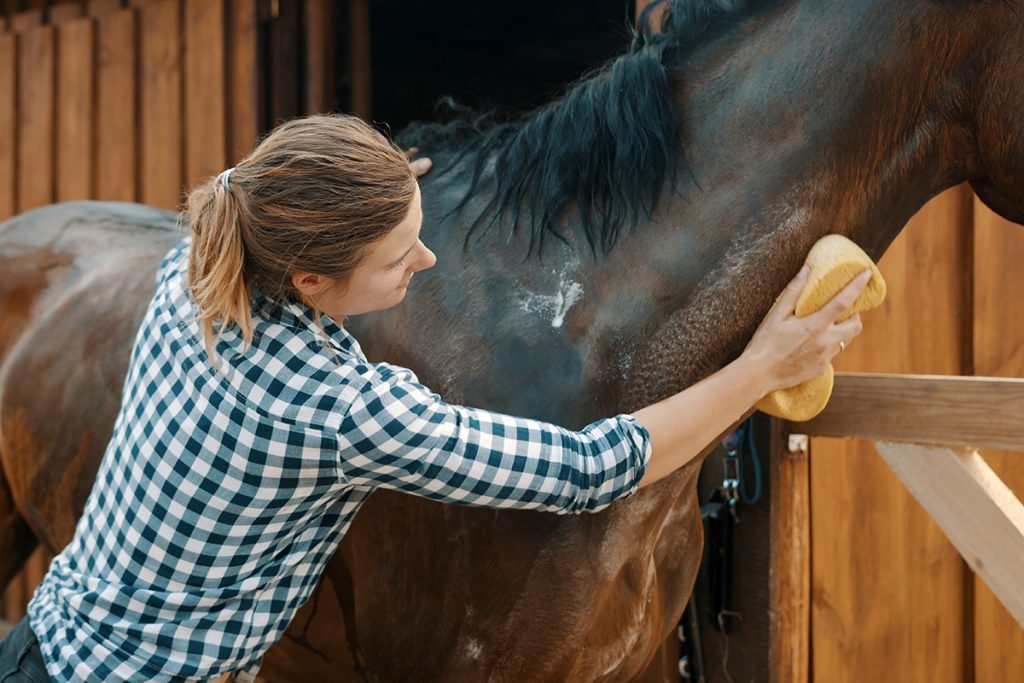
- Sponges or soft cloths: For face, eyes, and dock area.
Consider using natural grooming products for horses with sensitive skin or allergies. These alternatives can be gentler and environmentally friendly.

Step-by-Step Stable Grooming Routine
Following a consistent sequence ensures thorough care and keeps horses calm. Here’s a professional approach to horse grooming at stable facilities:
- Secure the horse: Use cross-ties or a lead rope in a safe, quiet area.
- Pick hooves: Start with the front left, moving around the horse. Check for stones, thrush, or cracks.
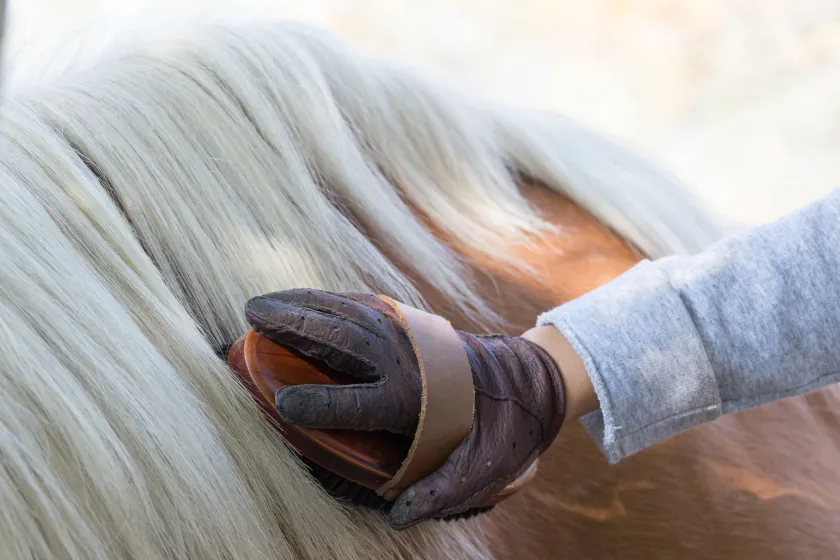
- Curry comb: Use circular motions on the body (avoid face and legs) to loosen dirt and stimulate circulation.
- Dandy brush: Sweep away loosened dirt with short flicking motions, working in the direction of hair growth.
- Body brush: Use softer strokes for finishing, including sensitive areas like the face and legs.
- Mane and tail care: Gently detangle using fingers or a wide-tooth comb, starting from the bottom.
- Wipe eyes, nose, and dock: Use a separate clean sponge or cloth for each area to prevent cross-contamination.
For children or less experienced handlers, safety is paramount. Review our horse grooming for children safety guide for best practices when involving young people.
Professional Tips for Effective Stable Grooming
- Stay alert to behavior: Horses communicate discomfort through body language. Watch for pinned ears, tail swishing, or shifting weight.
- Use the right pressure: Adjust your touch based on the horse’s reaction and the area being groomed.
- Keep tools clean: Regularly wash brushes and combs to prevent skin infections and maintain effectiveness.
- Check for injuries: Grooming is the perfect time to spot cuts, swelling, or heat that may indicate problems.
- Be consistent: Daily or near-daily grooming helps horses relax and look forward to the routine.
Common Mistakes to Avoid in the Stable
Even experienced handlers can overlook details. Avoid these pitfalls:
- Skipping hoof cleaning, which can lead to lameness or infections.
- Using the same brush for all areas, increasing the risk of spreading bacteria.
- Brushing too aggressively, especially on thin-skinned or sensitive horses.
- Neglecting to check under the mane, tail, and between legs for ticks or irritations.
- Rushing the process, which can stress the horse and lead to missed issues.
Special Considerations for Show Preparation
Preparing for a competition requires extra attention to detail. Beyond daily care, focus on whitening socks, polishing hooves, and braiding manes or tails as needed. For advanced tips, check out this comprehensive guide to show grooming from industry professionals.

Behavior and Training During Grooming
Grooming is not just about cleanliness—it’s a valuable training opportunity. Horses learn patience, respect for boundaries, and positive associations with human contact. If your horse is anxious or resistant, gradual desensitization and positive reinforcement can help. For more on this topic, explore our horse grooming behavior training resource.
Frequently Asked Questions
How often should I groom my horse at the stable?
Ideally, horses should be groomed daily, especially if they are stabled or worked regularly. Frequent grooming helps maintain skin health, prevents matting, and allows for early detection of injuries or health issues.
What is the best way to keep grooming tools clean?
After each use, remove hair and debris from brushes and combs. Wash them weekly with mild soap and water, then allow them to dry completely before storing. This prevents the buildup of bacteria and extends the life of your tools.
Can I use human grooming products on my horse?
It’s best to use products specifically formulated for equine care. Human shampoos and conditioners may contain ingredients that can irritate a horse’s skin or disrupt the natural balance of oils.
What should I do if my horse dislikes being groomed?
Start with short, gentle sessions and reward calm behavior. Use soft brushes and avoid sensitive areas until your horse becomes more comfortable. If problems persist, consult a trainer or equine behaviorist for guidance.