Keeping your horse healthy and comfortable starts with a regular grooming routine. For owners who want to handle care themselves, horse grooming at home offers a rewarding way to bond with your animal while ensuring their coat, skin, and hooves stay in top condition. Whether you’re new to equine care or looking to refine your technique, understanding the right tools, steps, and safety measures is essential.
This article will walk you through the essentials of at-home horse care, from assembling your grooming kit to mastering daily routines. For those who prefer visual demonstrations, you can also check out the horse grooming video guide for step-by-step instructions.
Why Regular Home Grooming Matters
Consistent grooming at home is more than just keeping your horse looking good. It helps you monitor your horse’s health, spot injuries or skin issues early, and build trust through gentle handling. A well-groomed horse is less likely to develop skin irritations, fungal infections, or matted hair. Plus, the process improves circulation and distributes natural oils for a shiny, healthy coat.
Essential Tools for Horse Grooming at Home
Setting up your grooming kit is the first step. The right tools make the process efficient and comfortable for both you and your horse. Here’s what you’ll need:
- Curry comb: Loosens dirt, mud, and shedding hair.
- Dandy brush: Removes larger debris and dust.
- Body brush: Soft bristles for sensitive areas and finishing touches.
- Mane and tail comb: Detangles hair without pulling.
- Hoof pick: Cleans hooves and checks for stones or injuries.
- Sponge or soft cloth: Wipes eyes, nose, and dock area.
- Shedding blade (seasonal): Helps remove loose hair during shedding periods.
For a ready-made solution, consider investing in a complete kit. After viewing the image below, you’ll find a quick link to a recommended set.

Step-by-Step Guide to Grooming Your Horse
Following a consistent sequence helps you cover all areas and keeps your horse comfortable. Here’s a practical approach to horse grooming at home:
- Secure your horse in a safe, quiet area using cross-ties or a lead rope.
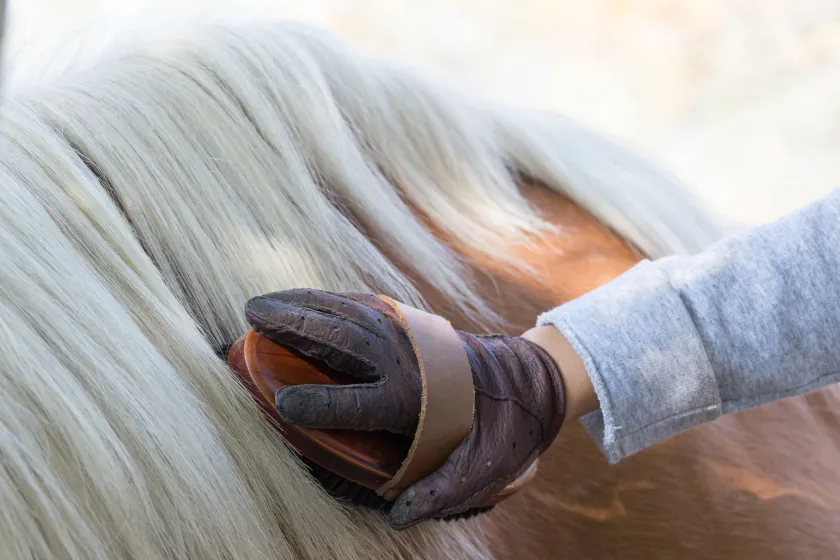
- Start with the curry comb. Move in small circles over the body (avoid face and legs). This loosens dirt and stimulates the skin.
- Use the dandy brush to flick away dirt and hair brought up by the curry comb. Brush in short, firm strokes following the hair’s direction.
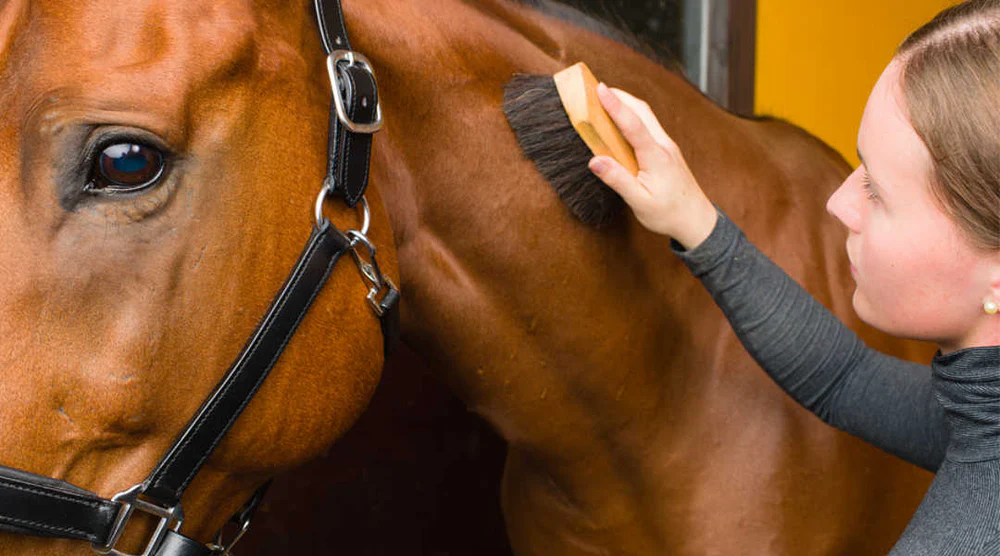
- Switch to the body brush for sensitive spots like the face, belly, and legs. This removes finer dust and smooths the coat.
- Detangle mane and tail gently with a wide-tooth comb or your fingers. Work from the bottom up to avoid breakage.
- Clean the hooves with a hoof pick, starting at the heel and working toward the toe. Check for stones, cracks, or signs of thrush.
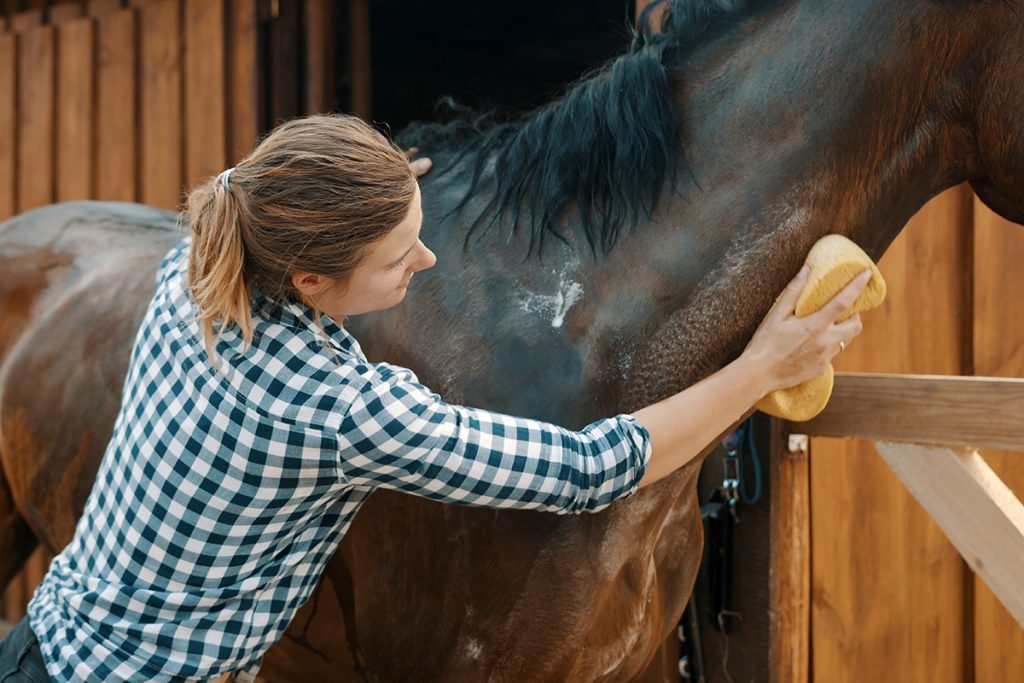
- Wipe sensitive areas (eyes, nostrils, dock) with a damp sponge or cloth.
For a more detailed breakdown, beginners can benefit from the horse grooming step by step for beginners resource, which covers each stage in depth.

Tips for Effective Home Grooming
- Stay consistent: Groom your horse daily or after every ride to prevent dirt buildup and skin issues.
- Be gentle: Use light pressure, especially on bony areas and sensitive spots.
- Check for injuries: Look for cuts, swelling, or heat as you groom. Early detection can prevent bigger problems.
- Use natural products: If you prefer chemical-free care, explore the horse grooming natural products guide for safe alternatives.
- Keep tools clean: Wash brushes and combs regularly to avoid spreading bacteria or fungi.
Common Mistakes and How to Avoid Them
Even experienced owners can overlook important details. Here are some frequent errors in horse grooming at home and how to prevent them:
- Skipping the hooves: Neglecting hoof care can lead to lameness or infection. Always pick out hooves, even if your horse hasn’t been ridden.
- Using the wrong brush: Hard brushes on sensitive areas can cause discomfort. Match the tool to the body part.
- Brushing a wet tail: Wet hair breaks more easily. For best results, detangle tails when dry.
- Ignoring seasonal needs: Horses shed heavily in spring and fall. Use a shedding blade and adjust your routine as needed.
Safety Considerations for At-Home Grooming
Safety should always come first. Approach your horse calmly, avoid sudden movements, and stay aware of their body language. If you’re introducing children to grooming, review the horse grooming for children safety guide for age-appropriate tips.
Always stand to the side when working around legs or hooves, and never kneel or sit on the ground. If your horse is nervous or new to grooming, start slowly and reward calm behavior.
When to Seek Professional Help
While most grooming tasks can be handled at home, some situations require expert attention. Call a veterinarian or professional groomer if you notice:
- Persistent skin irritation, bald patches, or sores
- Unusual lumps, swelling, or heat
- Signs of lameness or hoof problems you can’t resolve
- Behavioral changes during grooming
For advanced techniques and stable-specific advice, the horse grooming at stable article provides professional tips for more complex care routines.
Further Resources and Expert Advice
If you want to take your skills further, there are many resources available. For a quick overview of how to achieve a show-ready shine, see this step-by-step guide to grooming your horse to shine. Combining these expert tips with your daily routine will help keep your horse healthy, happy, and looking their best.
Frequently Asked Questions
How often should I groom my horse at home?
Daily grooming is ideal, especially if your horse is ridden regularly or turned out in muddy conditions. At a minimum, aim for a thorough session several times a week to maintain coat and skin health.
What should I do if my horse resists grooming?
Start with short, gentle sessions and reward calm behavior. Use soft brushes on sensitive areas and check for underlying pain or skin issues. If problems persist, consult a trainer or veterinarian.
Are there natural alternatives to commercial grooming products?
Yes, many owners use natural oils, homemade detanglers, and gentle soaps. For more information, refer to the horse grooming natural products guide for safe and effective options.