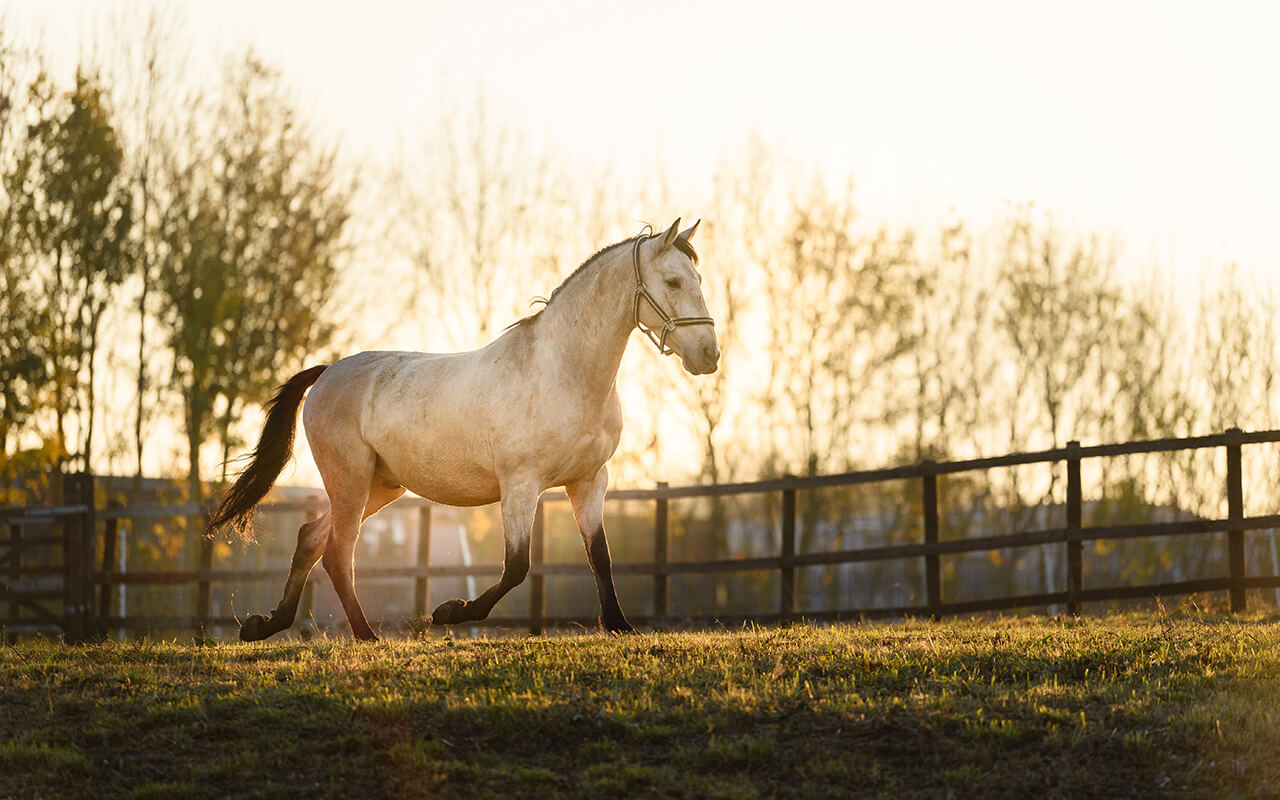
As temperatures rise, ensuring your horse stays comfortable and healthy becomes a top priority. Horse care in hot weather requires more than just providing shade—it’s about understanding how heat affects equines and taking proactive steps to prevent heat stress, dehydration, and related health issues. Whether your horse is in light work, heavy training, or simply enjoying turnout, adapting your routine during the hottest months is essential for their well-being.
This guide covers practical strategies for keeping your horse cool, recognizing the signs of overheating, and making smart adjustments to daily care. From hydration to shelter, and from grooming to exercise timing, you’ll find actionable advice to help your horse thrive even when the mercury climbs.
Alongside physical comfort, paying attention to your horse’s emotional needs is important too. Horses often show subtle signs when they’re uncomfortable or stressed. If you’re interested in learning more about how horses communicate their feelings, check out this article on how horses show affection.
Understanding the Risks of Heat for Horses
Horses are naturally resilient, but high temperatures and humidity can quickly lead to problems if not managed carefully. Hot weather horse care focuses on preventing heat-related illnesses such as heat exhaustion and heat stroke. These conditions can develop rapidly, especially when horses are exercised during the hottest parts of the day or lack adequate shade and water.
Some horses are more vulnerable than others. Older horses, those with thick coats, or animals with underlying health issues may struggle more in the heat. Recognizing the risks and adjusting routines accordingly can make a significant difference in your horse’s health and comfort.
Hydration: The Foundation of Summer Horse Management
Water is the most critical factor in horse care during hot weather. Horses can drink up to 10–20 gallons of water per day in summer, and even more if they’re working or sweating heavily. Dehydration can set in quickly, leading to colic, poor performance, and other serious health issues.
- Always provide unlimited access to clean, fresh water.
- Check water troughs and buckets multiple times a day, as algae and debris can accumulate faster in the heat.
- Consider adding electrolytes to your horse’s diet if they’re sweating a lot or working hard, but consult your veterinarian first.
- Monitor your horse’s water intake—sudden drops can be an early warning sign of trouble.

Providing Shade and Shelter
Direct sunlight can quickly raise your horse’s body temperature. Ensuring access to shade is a fundamental part of summer horse care. Trees, run-in sheds, or well-ventilated barns offer relief from the sun’s intensity.
- Make sure all horses have access to shade throughout the day, especially during peak sun hours (10 a.m. to 4 p.m.).
- Rotate pastures if necessary to ensure shade is always available.
- If natural shade is limited, consider installing temporary shelters or shade cloths.
Adjusting Exercise and Turnout Routines
During periods of extreme heat, it’s important to modify your horse’s exercise schedule. Early mornings and late evenings are the safest times for riding or turnout, as temperatures are lower and the sun is less intense.
- Avoid strenuous work during the hottest part of the day.
- Shorten training sessions and allow for frequent breaks.
- Monitor your horse for signs of fatigue or overheating, such as excessive sweating, rapid breathing, or reluctance to move.
- After exercise, cool your horse down gradually with walking and rinsing.
Cooling Techniques for Horses in Summer
Helping your horse cool down quickly after exercise or during hot spells is crucial. There are several effective methods you can use:
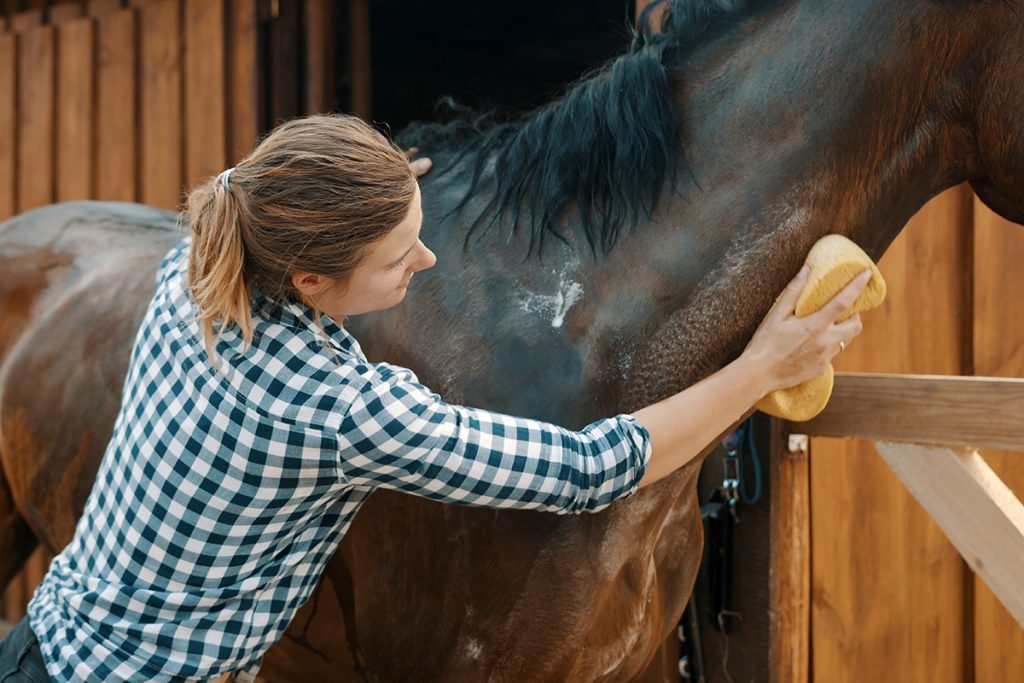
- Hosing down: Use cool (not ice-cold) water to rinse your horse, focusing on large muscle groups and areas where blood vessels are close to the surface, like the neck and legs.
- Scraping: After rinsing, use a sweat scraper to remove excess water, which can trap heat against the skin if left to evaporate slowly.
- Fans: In barns, use fans to improve air circulation, but always ensure cords and equipment are safely out of reach.
- Wet towels: Placing damp towels over your horse’s neck or back can provide temporary relief.
Recognizing Signs of Heat Stress
Knowing the early warning signs of heat stress can help you act quickly and prevent serious complications. Look for:
- Heavy or irregular sweating
- Rapid, shallow breathing
- Elevated heart rate
- Lethargy or weakness
- Stumbling or unsteady gait
- Dark urine or reduced urination
- Dry gums or skin that doesn’t snap back when pinched
If you notice any of these symptoms, move your horse to a cool, shaded area immediately, offer water, and contact your veterinarian. Severe cases may require professional intervention.
Feeding and Nutrition Adjustments
Diet can play a role in helping your horse cope with the heat. Forage produces more heat during digestion than concentrates, so consider adjusting feed if your horse is struggling with high temperatures. Always make changes gradually and consult your vet or an equine nutritionist.
- Offer smaller, more frequent meals to reduce digestive heat load.
- Ensure salt is always available, either loose or in a block, to encourage drinking and replace electrolytes lost through sweat.
- Monitor body condition—horses may eat less in hot weather, so keep an eye on weight and adjust as needed.
Grooming and Coat Care in Warm Months
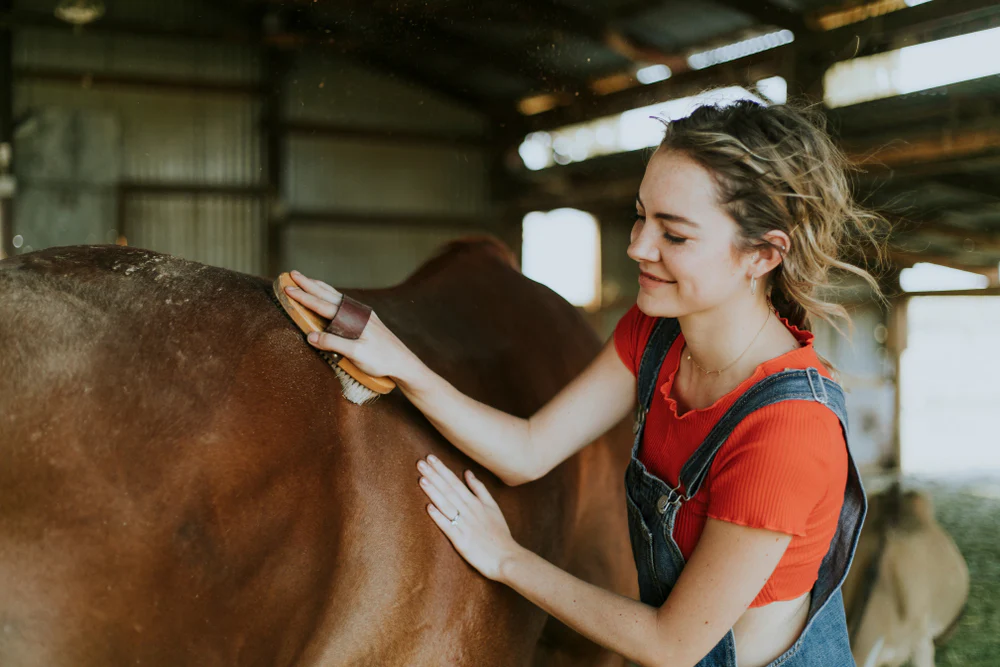
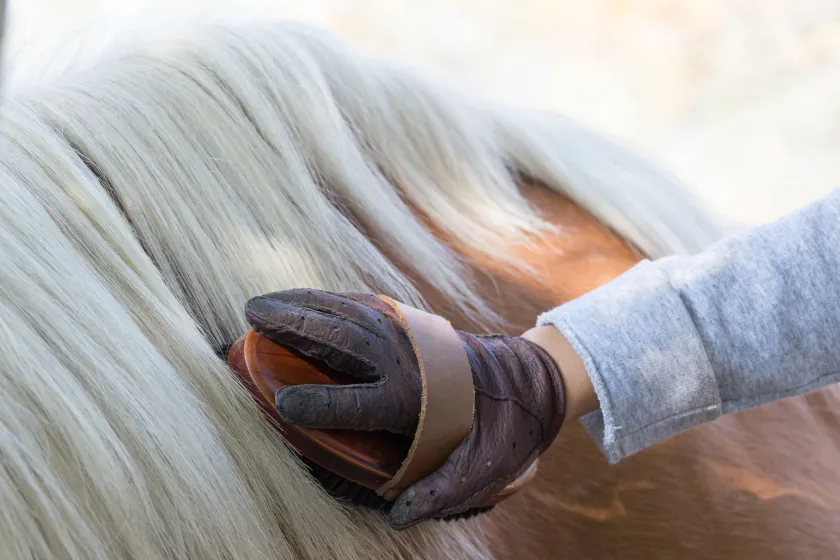
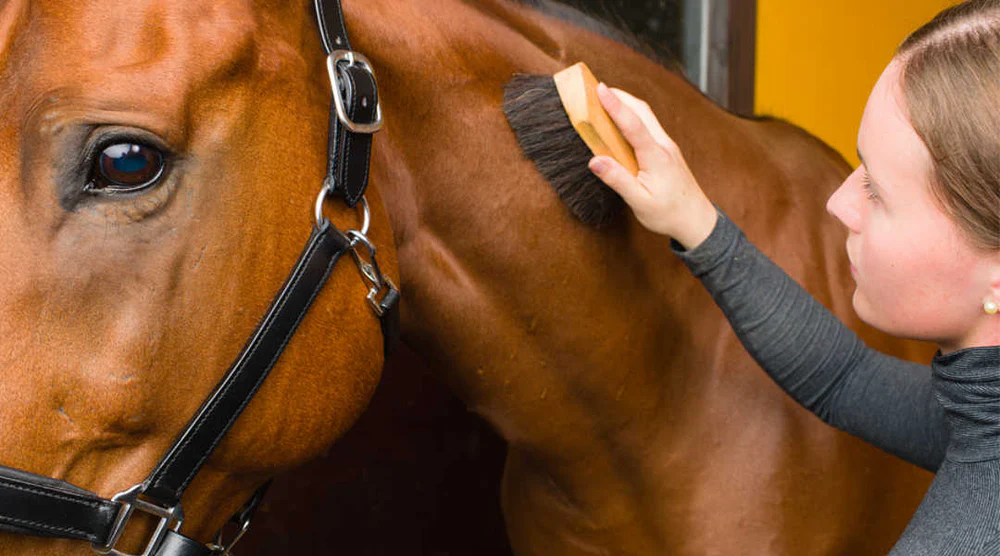
Regular grooming helps remove sweat, dirt, and loose hair, allowing your horse’s coat to breathe and cool more efficiently. Clipping thick coats, especially on older or Cushing’s horses, can also help with temperature regulation.
- Brush daily to keep the coat clean and free of debris.
- Use fly sprays and masks to protect against insects, which are more active in summer.
- Check for skin irritations or sunburn, particularly on light-colored horses.
Additional Resources for Hot Weather Horse Management
For further reading and detailed recommendations, the University of Minnesota Extension’s guide to caring for horses during hot weather offers expert advice and practical tips.
Frequently Asked Questions
How can I tell if my horse is overheating?
Signs of overheating include excessive sweating, rapid breathing, elevated heart rate, weakness, and reluctance to move. If your horse shows any of these symptoms, move them to a shaded area, offer water, and consult your veterinarian promptly.
Is it safe to ride my horse during the summer?
Riding is possible in warm months, but it’s best to schedule exercise for early mornings or late evenings when temperatures are lower. Keep sessions shorter, allow for frequent breaks, and always monitor your horse for signs of heat stress.
What should I feed my horse in hot weather?
Continue offering high-quality forage, but consider smaller, more frequent meals to reduce digestive heat. Ensure salt and fresh water are always available, and consult your vet if you notice changes in appetite or weight.
By staying attentive and making thoughtful adjustments, you can help your horse stay healthy and comfortable all summer long. For more tips on equine well-being, explore our guides on the Best Horse Treats and Best Horse Saddles for comfort and control.