Achieving horse balance in dressage is a cornerstone of effective riding and training. Balance affects every aspect of a horse’s movement, from the simplest walk to the most advanced collected trot. Riders and trainers who understand how to develop and maintain equilibrium in their horses set the foundation for progress, safety, and harmony in the arena. This guide explores the principles behind equine balance, practical training strategies, and common challenges, providing actionable advice for dressage enthusiasts at any level.
Whether you are just starting out or looking to refine your horse’s performance, a strong grasp of balance principles will help you achieve smoother transitions, improved suppleness, and better communication. For those working with older mounts, you may also find value in exploring dressage training older horses for age-specific tips and considerations.
Why Balance Matters in Dressage Training
Balance is more than just a horse staying upright; it’s about distributing weight correctly, engaging the hindquarters, and moving with rhythm and self-carriage. In dressage, a balanced horse can respond to subtle aids, maintain straightness, and perform movements with ease. Poor balance can lead to stiffness, resistance, and even injury.
Riders must learn to recognize the difference between a horse that is simply moving forward and one that is truly carrying itself. This distinction is crucial for advancing through the levels, as each movement—from circles to lateral work—demands increasing degrees of self-control and coordination.
Key Elements of Developing Equine Balance
Building horse balance in dressage involves several interconnected factors. Here are the most important elements to focus on during your training sessions:
- Engagement of the Hindquarters: Encouraging your horse to step under with the hind legs supports the back and lightens the forehand.
- Rhythm and Tempo: Consistent rhythm helps the horse find its natural balance and makes transitions smoother.
- Straightness: A straight horse can distribute weight evenly, making it easier to perform lateral movements and circles.
- Contact and Connection: Soft, elastic contact with the bit allows the horse to stretch and round its topline, which is essential for balance.
- Rider Position: A centered, independent seat allows the rider to influence the horse’s balance without interfering with its movement.
Recognizing Signs of Good and Poor Balance
Observing your horse’s posture and movement is key to identifying balance issues. A well-balanced horse will move with a swinging back, relaxed neck, and even strides. The transitions between gaits will feel effortless, and the horse will respond promptly to aids. Conversely, a horse out of balance may rush, lean on the forehand, or resist the bit.
If you notice your horse frequently stumbling, falling in or out on circles, or struggling with transitions, it’s time to revisit the basics. Consistent groundwork and attention to alignment can help address these issues before they become ingrained habits.
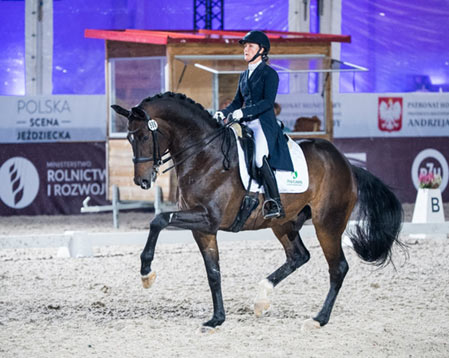
Exercises to Improve Balance in the Arena
Incorporating targeted exercises into your routine can make a significant difference in your horse’s balance. Here are some effective strategies:
- Transitions Within and Between Gaits: Practicing frequent transitions encourages your horse to shift weight back and engage the hindquarters. Start with walk-trot-walk, then progress to more advanced transitions.
- Circles and Serpentines: Riding accurate circles and serpentines helps your horse bend through the body and maintain even weight distribution.
- Lateral Movements: Leg-yielding, shoulder-in, and haunches-in require the horse to coordinate its body, promoting suppleness and balance.
- Half-Halts: Well-timed half-halts rebalance the horse and prepare it for changes in direction or pace.
- Pole Work: Incorporating ground poles encourages the horse to lift its feet and use its body more effectively.
For those just beginning their journey, introduction to dressage riding offers a helpful overview of foundational techniques.
Common Challenges and How to Address Them
Many riders encounter obstacles when working on balance. Horses may naturally favor one side, resist bending, or become tense. Addressing these issues requires patience and a methodical approach:
- Asymmetry: Most horses are naturally crooked. Regularly work both sides equally and incorporate exercises that encourage even development.
- Tension: A tense horse cannot balance properly. Focus on relaxation through stretching, long and low work, and gentle transitions.
- Loss of Rhythm: If your horse rushes or loses rhythm, slow down and return to basics, emphasizing steady tempo and clear aids.
- Rider Influence: An unbalanced rider can disrupt the horse’s movement. Work on your own position, using mirrors or video feedback if possible.
Progressing Through the Levels: Balance and Advanced Movements
As you and your horse advance, the demands on balance increase. Movements like shoulder-in, travers, and collected gaits require a high degree of self-carriage and coordination. At this stage, it’s helpful to revisit the basics regularly and ensure your horse remains supple and responsive.
For those working with green or young horses, consider reviewing dressage training green horse and dressage training young horses for age-appropriate exercises and expectations.
Riders interested in a broader overview of the discipline may benefit from this beginner’s guide to dressage, which covers terminology, competition structure, and more.
Frequently Asked Questions
How can I tell if my horse is balanced during training?
Signs of good balance include a relaxed topline, even rhythm, straightness, and willingness to respond to aids. If your horse moves with a swinging back and maintains steady contact, it’s likely well-balanced. Conversely, stumbling, leaning, or resistance may indicate a need for more foundational work.
What are the best exercises to improve balance in young horses?
For younger horses, focus on simple transitions, large circles, and gentle lateral work. These exercises encourage engagement and help the horse learn to carry itself. Consistency and patience are key, as young horses are still developing strength and coordination.
Can rider position affect a horse’s balance?
Absolutely. A centered, independent seat allows the rider to support the horse’s movement without interference. Poor posture or uneven weight distribution from the rider can disrupt the horse’s balance, making it harder for the horse to perform correctly.
How often should I work on balance in my training sessions?
Balance should be a focus in every session, whether you’re working on groundwork, flatwork, or advanced movements. Incorporate transitions, circles, and straightness exercises regularly to reinforce good habits.
Conclusion
Mastering horse balance in dressage is a gradual process that requires dedication, observation, and a willingness to refine both horse and rider skills. By focusing on engagement, rhythm, straightness, and rider position, you lay the groundwork for success at every stage of training. Remember to revisit the basics, address challenges patiently, and celebrate progress along the way.
For further reading on starting your journey, see how to start dressage training a horse. With the right approach, both you and your horse can enjoy the rewards of improved balance, harmony, and performance in the dressage arena.