The history of dressage riding is a fascinating journey through centuries of horsemanship, evolving from ancient military training to the refined equestrian sport recognized today. Dressage, often described as the art of riding and training a horse in a manner that develops obedience, flexibility, and balance, has deep roots in both practical and ceremonial traditions. Understanding how this discipline developed provides valuable insight into the relationship between humans and horses, as well as the cultural significance of equestrian skills across different eras.
For those interested in building a strong partnership with their horse, exploring horse bonding exercises can complement the principles found in classical dressage. This article will guide you through the origins, evolution, and modern practices of this elegant equestrian art form.
Ancient Beginnings: Early Foundations of Classical Horsemanship
The roots of what we now call dressage can be traced back to ancient civilizations. In Greece, the philosopher Xenophon wrote extensively about horse training in his work “On Horsemanship” around 350 BC. His teachings emphasized gentle methods, balance, and harmony between horse and rider—principles still valued in modern dressage. The Greeks, Persians, and later the Romans all developed systems for training horses for war, ceremonies, and sport, focusing on agility, obedience, and precision.
These early methods were not just about spectacle; they were essential for cavalry maneuvers and battlefield effectiveness. Over time, these practical exercises evolved into more formalized routines, laying the groundwork for the sophisticated movements seen in contemporary dressage competitions.
Medieval and Renaissance Influence on Dressage Traditions
During the Middle Ages, horsemanship was an integral part of knightly culture. Horses were trained to perform complex maneuvers for tournaments and warfare, with an emphasis on discipline and responsiveness. The Renaissance period marked a turning point, as riding academies began to emerge across Europe, particularly in Italy and France.
Masters such as Federico Grisone and Antoine de Pluvinel advanced the art by introducing systematic training methods and emphasizing the importance of lightness and subtle cues. The establishment of the Spanish Riding School in Vienna in 1572 further solidified the foundations of classical dressage. This institution became renowned for its dedication to the principles of dressage, many of which are still practiced today.

Dressage in the Modern Era: From Military Roots to Olympic Sport
As cavalry use declined with technological advancements, the focus of dressage shifted from military necessity to sport and artistic expression. In the 19th century, dressage began to be codified with standardized tests and movements. The discipline was included in the Olympic Games for the first time in 1912, highlighting its international appeal and competitive spirit.
Today, dressage is practiced worldwide, from grassroots riders to elite competitors. The sport is governed by strict rules and judged on precision, harmony, and the apparent ease with which horse and rider perform intricate patterns. The evolution of dressage riding reflects a blend of tradition and innovation, with modern riders building on centuries of accumulated knowledge.
Key Principles and Movements in Dressage Riding
At its core, dressage is about developing the horse’s natural athleticism and willingness to cooperate. The basic principles include rhythm, suppleness, contact, impulsion, straightness, and collection. These elements are progressively refined as horse and rider advance through different levels.
Movements such as the piaffe, passage, and flying changes are hallmarks of advanced dressage, requiring years of dedicated training. For a deeper understanding of the foundational concepts, the dressage principles outlined by British Dressage provide a comprehensive overview.
Dressage’s Impact on Horse and Rider Relationships
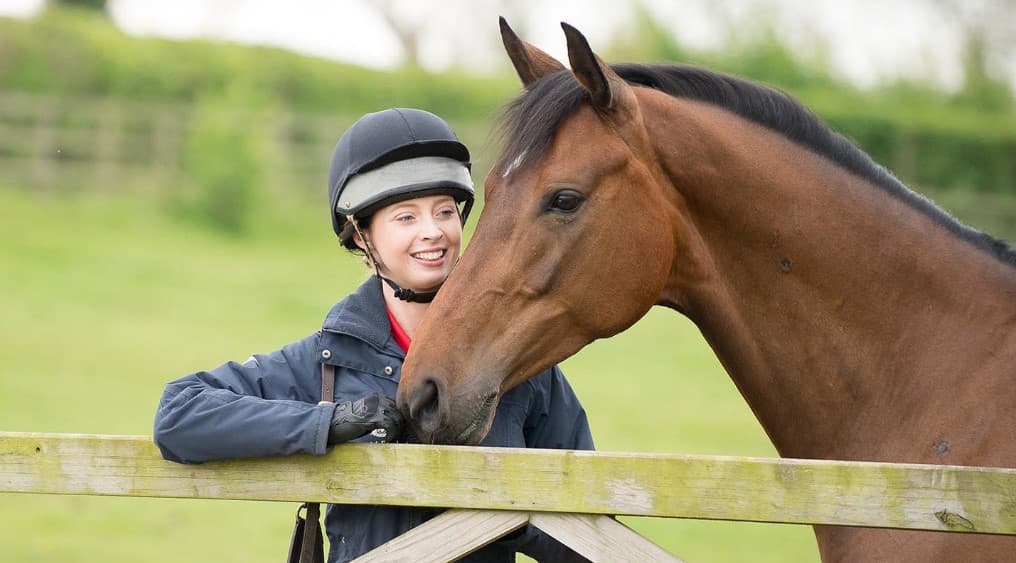
The discipline is not only about technical skill but also about building trust and communication between horse and rider. Consistent training fosters a partnership based on mutual respect and understanding. Riders often find that the patience and attention to detail required in dressage translate to better relationships with their horses in all aspects of care and handling.
Those looking to deepen their connection with their equine partners may benefit from learning about how to build trust with horse through groundwork and positive reinforcement. These approaches complement the goals of dressage and enhance the overall experience for both horse and rider.
Dressage’s Role in Contemporary Equestrian Culture
Today, the discipline is celebrated for its beauty, discipline, and the unique bond it fosters between horse and rider. Whether pursued for competition, recreation, or personal growth, the practice continues to attract enthusiasts who appreciate its blend of athleticism and artistry. The principles of dressage are also applied in other equestrian disciplines, demonstrating its broad influence.
Riders interested in understanding more about equine behavior and communication may also enjoy learning about horse affectionate gestures and why horses follow you, which further enrich the rider-horse relationship.
Frequently Asked Questions
What Are the Origins of Dressage?
Dressage originated from ancient military training methods, particularly those developed by the Greeks and Romans. Over centuries, these techniques evolved into a formalized discipline, emphasizing harmony and precision between horse and rider.
How Has Dressage Changed Over Time?
Initially focused on practical military applications, dressage has transformed into a competitive sport and artistic pursuit. The introduction of standardized tests, international competitions, and Olympic inclusion have all contributed to its modern form.
Why Is Dressage Important for Horse Training?
Dressage develops a horse’s balance, flexibility, and responsiveness. It encourages a strong partnership between horse and rider, making it beneficial for both competitive and recreational equestrians.
Where Can I Learn More About Dressage Principles?
For a comprehensive overview of the foundational concepts, visit the dressage principles resource provided by British Dressage.