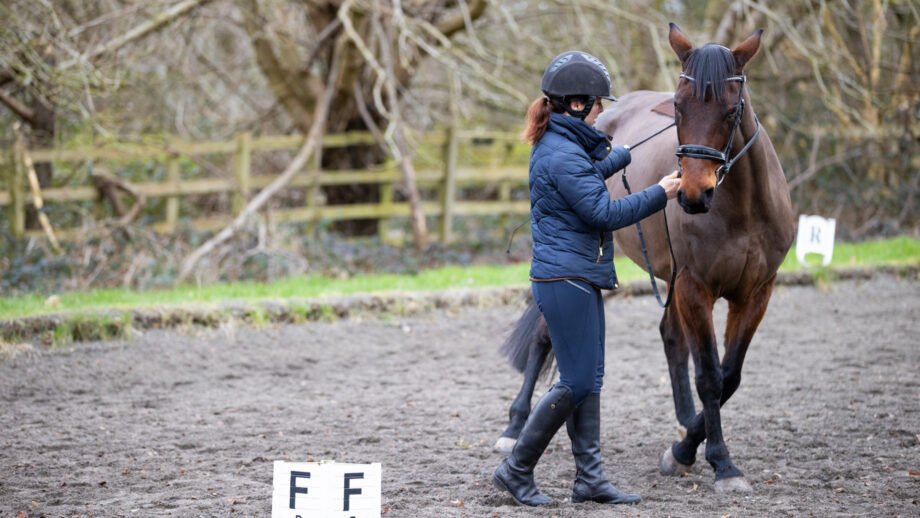
Mastering lateral movements is essential for any rider aiming to progress in dressage. Among these, haunches-in dressage training stands out as a foundational exercise that improves suppleness, engagement, and responsiveness in the horse. Also known as travers, this movement helps develop the horse’s ability to carry more weight on its hindquarters, leading to better balance and collection. Whether you’re new to dressage or looking to refine your technique, understanding the mechanics and benefits of this exercise can elevate your riding and your horse’s performance.
This guide covers the purpose, correct aids, common mistakes, and step-by-step instructions for teaching and riding haunches-in. You’ll also find practical tips, links to related dressage skills like hand position in dressage riding, and answers to frequently asked questions.
Understanding the Haunches-In Movement
Haunches-in, or travers, is a lateral movement performed on the track or a straight line where the horse’s forehand remains on the track while the hindquarters are brought in off the track at an angle of about 30 degrees. The horse is bent in the direction of travel, with the inside hind leg stepping under the body and the outside hind leg crossing over. This exercise is typically introduced after the horse is comfortable with shoulder-in, as it requires greater engagement and coordination.
The primary goal of haunches-in dressage training is to increase the flexibility of the horse’s hindquarters and improve its ability to carry weight behind. This, in turn, enhances collection, straightness, and overall athleticism.
Benefits of Incorporating Travers in Your Schooling
Adding travers to your training routine offers several advantages for both horse and rider:
- Improved engagement: Encourages the horse to step underneath with the inside hind leg, building strength and balance.
- Enhanced suppleness: Promotes lateral flexibility, making the horse more responsive to aids.
- Better collection: Prepares the horse for advanced movements by teaching it to shift weight to the hindquarters.
- Increased obedience: Reinforces the horse’s understanding of the rider’s aids and improves communication.
- Foundation for advanced work: Serves as a stepping stone for movements like half-pass and pirouettes.
Essential Rider Aids for Haunches-In
To perform travers correctly, the rider must coordinate seat, leg, and rein aids. Here’s a breakdown of the correct aids:
- Inside leg: Positioned at the girth, it maintains forward energy and bend through the horse’s body.
- Outside leg: Moves slightly behind the girth to encourage the hindquarters to move inward.
- Inside rein: Asks for flexion at the poll and helps maintain the bend.
- Outside rein: Controls the pace and prevents the shoulders from drifting off the track.
- Seat: The rider’s weight shifts slightly to the inside seat bone, supporting the bend and direction.
For a more in-depth look at how to use your body effectively, explore dressage rider balance tips and how to develop an independent seat.
Step-by-Step Guide to Teaching Travers
Introducing haunches-in should be done progressively, ensuring the horse understands the aids and remains relaxed. Follow these steps for a successful introduction:
- Establish a correct bend: On a straight line or long side of the arena, ask for a slight inside bend using your inside rein and leg.
- Position the hindquarters: Slide your outside leg back and gently apply pressure to move the horse’s hindquarters off the track. Keep the forehand on the track.
- Maintain rhythm and straightness: Use your seat and reins to keep the horse moving forward with a steady tempo. Avoid excessive neck bend or loss of impulsion.
- Reward and release: Praise your horse for correct attempts, even if only a few steps are achieved at first. Gradually increase the number of steps as the horse gains confidence.
- Change directions: Practice on both reins to develop even suppleness and strength.

Common Mistakes and How to Fix Them
Even experienced riders can encounter challenges when introducing travers. Here are some frequent errors and solutions:
- Too much neck bend: The horse’s neck should follow the line of the body. Excessive bend indicates the horse is evading the aids. Focus on using your outside rein to keep the shoulders aligned.
- Losing forward energy: If the horse slows down or loses rhythm, use your inside leg to maintain impulsion and keep the movement flowing.
- Hindquarters trailing: If the hindquarters lag behind, check your outside leg position and ensure you’re not overusing the inside rein.
- Incorrect angle: Aim for about 30 degrees. Too steep or too shallow an angle reduces the effectiveness of the exercise.
Improving your effective leg aids in dressage and understanding rider aids in dressage explained can help address these issues.
Progressing to Advanced Lateral Work
Once your horse is confident with haunches-in, you can introduce more complex lateral movements. The skills developed through travers directly support exercises like half-pass, renvers, and pirouettes. Consistent practice will also improve straightness and collection in all gaits.
Remember to keep sessions varied and reward your horse for effort and improvement. Patience and consistency are key to developing a supple, balanced, and willing partner.
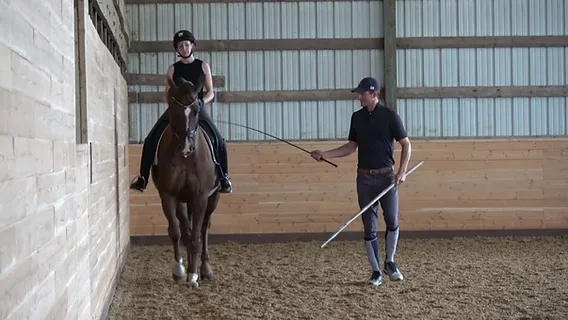
Tips for Successful Haunches-In Practice
- Start with groundwork: If your horse is new to lateral work, introduce the concept from the ground to build understanding before riding.
- Use mirrors or a ground person: Visual feedback helps you maintain the correct angle and alignment.
- Keep sessions short: Lateral work can be physically demanding. Begin with a few steps and gradually increase duration as your horse gains strength.
- Alternate directions: Work evenly on both reins to develop symmetry and avoid stiffness.
- Combine with other movements: Integrate travers with shoulder-in, circles, and transitions to keep your horse attentive and engaged.
For more foundational advice, consider reviewing basic dressage training techniques to reinforce your understanding of core principles.
Frequently Asked Questions
What is the difference between haunches-in and shoulder-in?
In shoulder-in, the horse’s shoulders move off the track while the hindquarters remain on the track, creating a bend away from the direction of travel. In haunches-in, the forehand stays on the track and the hindquarters move inward, with the horse bent in the direction of travel. Both exercises improve suppleness but target different muscle groups and coordination.
When should I introduce haunches-in to my horse?
Travers should be introduced after your horse is comfortable and balanced in shoulder-in and can maintain a consistent bend and rhythm. It’s important that the horse understands basic lateral aids and responds calmly to leg and rein cues before attempting this movement.
How do I know if my horse is performing travers correctly?
Signs of correct execution include a steady rhythm, a clear bend through the body, the hindquarters moving off the track at about a 30-degree angle, and the horse stepping under with the inside hind leg. The horse should remain relaxed, forward, and responsive to your aids.