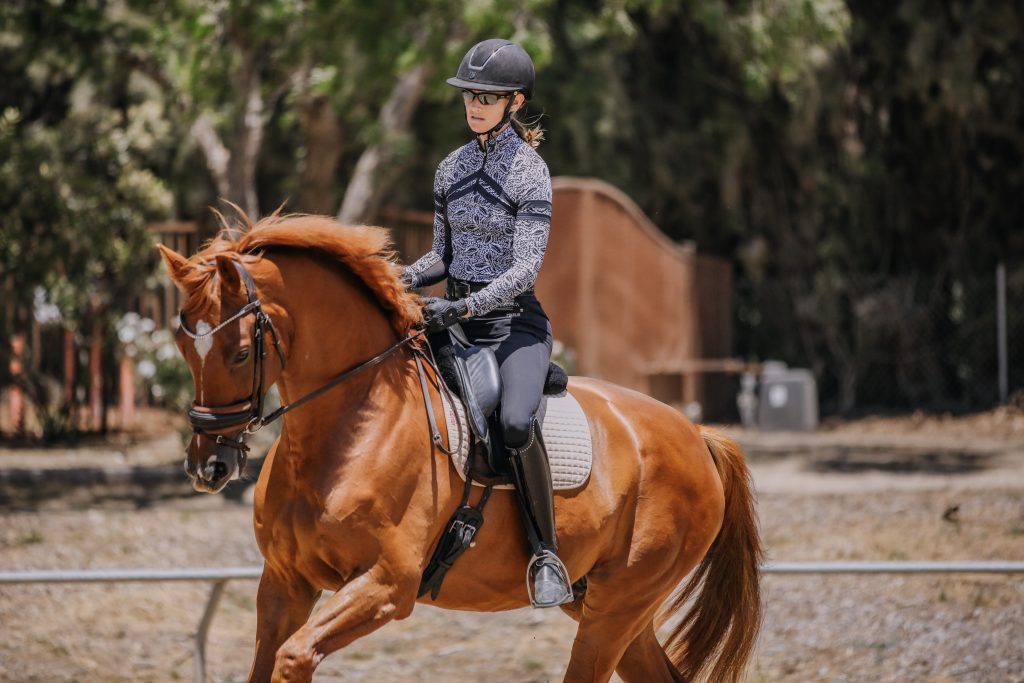
Achieving correct hand position in dressage riding is a fundamental aspect of effective communication between horse and rider. The way a rider holds the reins and positions their hands directly influences the horse’s balance, responsiveness, and overall performance. Whether you are just starting out or refining your skills, understanding the principles behind hand placement can make a significant difference in your dressage journey.
This guide explores the essentials of hand placement, common mistakes to avoid, and practical exercises to help you develop a soft, steady connection. For those looking to build a strong foundation, reviewing related topics like correct rider position in dressage can further enhance your understanding of the rider’s role in this discipline.
Why Hand Placement Matters in Dressage
In dressage, the rider’s hands act as a vital link in the communication chain. Properly positioned hands allow for clear, subtle cues that encourage the horse to move forward, maintain rhythm, and stay balanced. Incorrect hand use can lead to confusion, tension, or resistance from the horse, making progress difficult.
The ideal hand position supports a steady, elastic contact with the horse’s mouth. This not only helps with steering and transitions but also promotes relaxation and self-carriage in the horse. Riders who focus on their hand placement often notice improvements in the horse’s way of going and overall harmony during training sessions.
Key Principles of Hand Position for Dressage Riders
Mastering hand position in dressage riding involves more than simply holding the reins. The following principles are widely recognized by trainers and judges as essential for effective riding:
- Hands should be carried just above and in front of the saddle. The thumbs should be on top, with the knuckles facing slightly outward.
- Wrists remain straight and supple. Avoid bending the wrists inwards or outwards, as this can block the connection.
- Elbows are bent and close to the body. This allows for a soft, following contact and helps absorb the horse’s movement.
- Reins form a straight line from the elbow to the horse’s bit. This direct line ensures clear aids and minimizes interference.
- Hands are held at approximately hip-width apart. Keeping the hands too wide or too close together can disrupt the horse’s balance.
These guidelines create a balanced, neutral position that allows the rider to give precise aids while maintaining a gentle, consistent connection.
Common Mistakes and How to Fix Them
Even experienced riders can develop habits that interfere with effective rein aids. Some of the most frequent errors include:
- Piano hands: Turning the hands flat with palms facing down. This restricts movement and can cause stiffness.
- Broken wrists: Allowing the wrists to collapse inward or outward, which weakens the connection and signals.
- Hands held too high or low: Raising or dropping the hands disrupts the straight line from elbow to bit.
- Gripping or pulling: Using excessive force or tension in the hands, leading to resistance from the horse.
To correct these issues, regularly check your hand position in mirrors, ask for feedback from instructors, and practice relaxation exercises. Riders can also benefit from reviewing resources on common rider mistakes in dressage to identify and address other posture-related challenges.
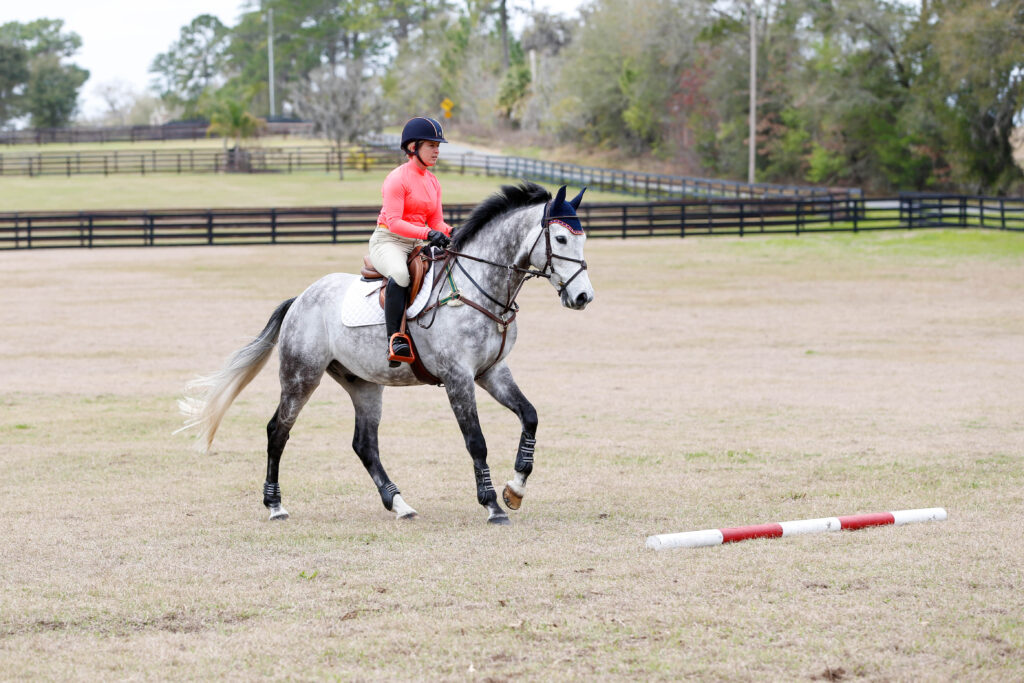
Exercises to Improve Your Rein Aids
Developing a refined hand position takes practice and body awareness. Here are several exercises to help riders build better habits:
- Riding with a crop or whip under the thumbs: Place a short whip or crop under your thumbs while holding the reins. This encourages correct thumb placement and prevents the hands from turning flat.
- Mirror work: If you have access to an arena mirror, periodically glance at your reflection to check hand height and alignment.
- Closed eyes exercise: At the halt or walk, close your eyes and focus on the feel of the reins and the position of your hands. This heightens body awareness and helps detect tension.
- Transitions and circles: Practice frequent transitions and riding circles, paying attention to maintaining a steady, elastic contact throughout.
Consistent practice with these exercises can help riders achieve a more stable and effective hand position, leading to clearer communication and improved performance in the arena.
Integrating Hand Position with Overall Rider Alignment
While hand placement is crucial, it does not exist in isolation. The alignment of the rider’s seat, legs, and upper body all contribute to effective rein aids. Poor posture or tension elsewhere in the body can compromise even the best hand position.
Riders are encouraged to regularly review their overall alignment. Resources such as how to improve dressage riding position and dressage seat basics offer valuable insights into developing a balanced, independent seat that supports correct hand use.
Tips for Maintaining Consistency During Training
Consistency is key to developing and maintaining a correct hand position. Here are some practical tips to help riders stay on track:
- Warm up with intention: Begin each ride by consciously checking your hand placement and making small adjustments as needed.
- Use reminders: Place a small sticker or piece of tape on your gloves as a tactile cue to keep your thumbs on top.
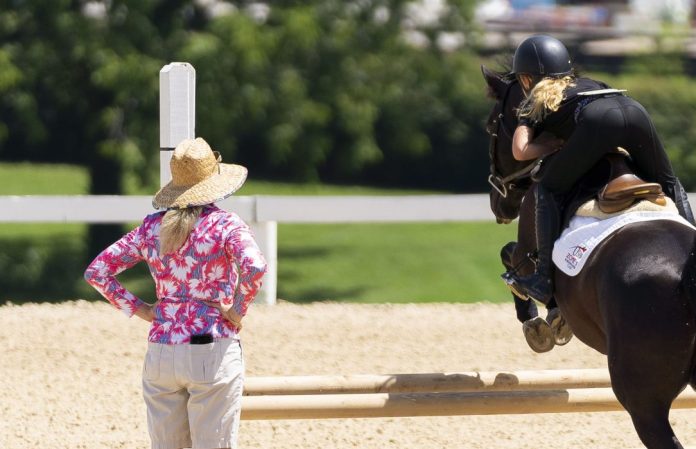
- Work with a coach: Regular lessons provide valuable feedback and help catch bad habits before they become ingrained.
- Stay relaxed: Tension in the hands often comes from overall body stiffness. Incorporate stretching and relaxation techniques into your routine.
For those interested in building a comprehensive training plan, exploring conditioning a horse for dressage can offer additional strategies to support both horse and rider development.
Further Reading and Resources
Many riders find it helpful to supplement their learning with reputable guides and expert advice. The step-by-step guide to basic dressage provides practical tips for beginners and experienced riders alike. Combining these resources with regular practice helps build confidence and skill in the saddle.
Frequently Asked Questions
What is the correct height for the hands in dressage?
The hands should be carried just above and slightly in front of the saddle, maintaining a straight line from the elbow to the bit. This position allows for clear communication and helps the horse stay balanced.
How can I avoid tension in my hands while riding?
Focus on keeping your wrists straight and your grip relaxed. Regularly check your posture and incorporate relaxation exercises before and during your ride. Working with a knowledgeable instructor can also provide helpful feedback.
Why do my hands move too much during transitions?
Excessive hand movement often results from instability in the rider’s seat or upper body. Strengthening your core and practicing transitions with a focus on steady hands can help minimize unnecessary motion.