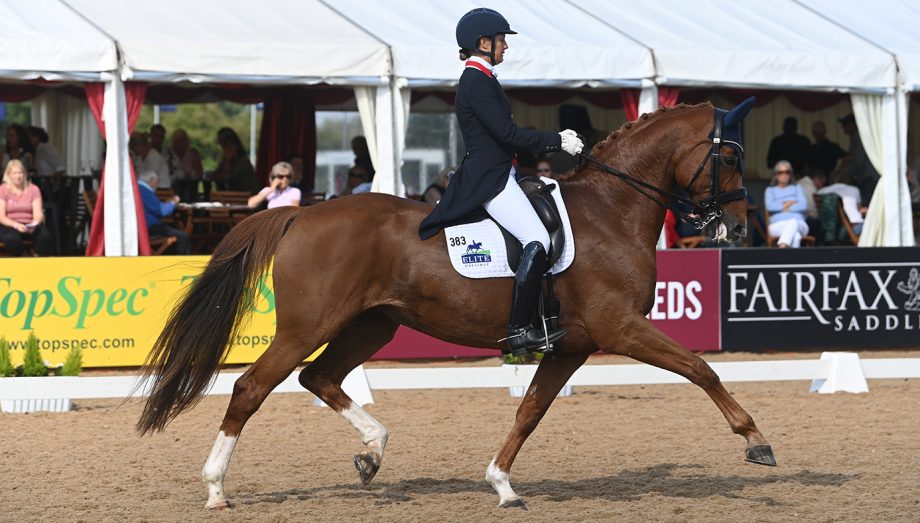
The concept of the half halt is fundamental in dressage, yet it often remains one of the most misunderstood and underutilized tools in a rider’s skillset. Mastering this subtle yet powerful aid can transform the communication between horse and rider, improving balance, attention, and overall performance. In this guide, we’ll break down what a half halt is, why it matters, and how to apply it effectively in your training sessions.
Whether you’re new to dressage or refining your technique, understanding the mechanics and timing of this essential aid is key. The half halt acts as a momentary rebalancing signal, helping your horse shift weight to the hindquarters, lighten the forehand, and prepare for transitions or movements. Before diving into the details, it’s also helpful to explore related topics like hand position in dressage riding, which plays a crucial role in delivering clear and effective aids.
Understanding the Half Halt: Definition and Purpose
At its core, a half halt is a brief, coordinated signal that asks the horse to rebalance and focus without coming to a full stop. It’s not a halt, nor is it a strong pull on the reins. Instead, it’s a subtle combination of seat, leg, and rein aids that momentarily collects the horse’s energy and redirects it, often in preparation for a transition, movement, or to regain attention.
The main purposes of a half halt include:
- Rebalancing the horse and shifting weight to the hindquarters
- Improving engagement and impulsion
- Preparing for transitions, corners, or movements
- Regaining the horse’s attention and focus
- Lightening the forehand for better self-carriage
Dressage riders use this aid throughout every level, from basic schooling to advanced competition. It’s a foundational skill that supports everything from simple transitions to complex lateral work.
How to Apply a Half Halt: Step-by-Step Guide
Executing a successful half halt requires coordination and timing. Here’s a step-by-step breakdown to help you apply this aid effectively:
- Prepare Your Position: Sit tall with your shoulders back, maintain a supple lower back, and keep your legs gently against the horse’s sides.
- Engage Your Core and Seat: Briefly tighten your abdominal muscles and close your seat, as if you’re about to stop, but without losing forward energy.
- Close Your Fingers on the Reins: Gently squeeze the reins, creating a momentary resistance, but avoid pulling back harshly.
- Support with Your Legs: Apply a light, supporting leg aid to encourage the horse to step under and maintain impulsion.
- Release: Soften your aids immediately after the horse responds, allowing the energy to flow forward again.
Timing is critical. The half halt should last only a second or two. If held too long, it can block the horse’s movement or cause confusion. Practice makes perfect—start at the walk before progressing to trot and canter.
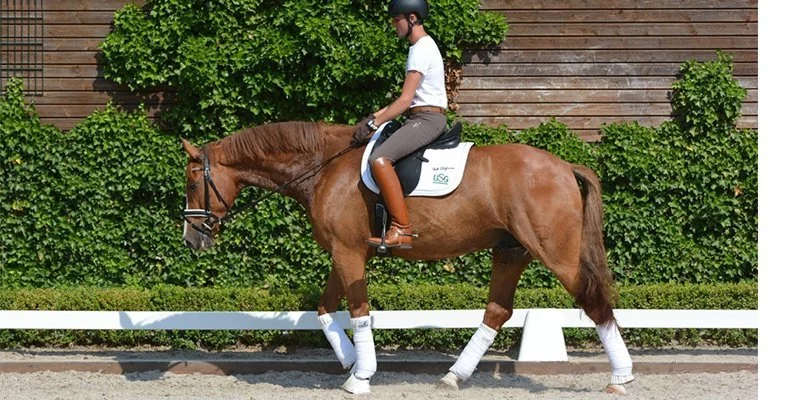
Common Mistakes and How to Avoid Them
Many riders struggle with the half halt because it’s easy to overdo or misapply. Here are some frequent errors and tips to correct them:
- Pulling Too Hard on the Reins: The half halt is not about stopping the horse. Excessive rein pressure can cause resistance or loss of forward energy.
- Forgetting to Use the Seat and Legs: Relying solely on the hands breaks the communication chain. Always coordinate your aids.
- Holding the Aid Too Long: Prolonged pressure confuses the horse and disrupts rhythm. Keep the signal brief and clear.
- Not Practicing at Different Gaits: The half halt should be practiced at walk, trot, and canter to build consistency.
For more insight into improving your effectiveness, consider reading about effective leg aids in dressage, as proper use of the legs is essential for a balanced and responsive half halt.
When and Why to Use the Half Halt
The half halt is not reserved for advanced riders or high-level movements. It’s a tool for everyday schooling and problem-solving. Here are some scenarios where it’s especially useful:
- Before transitions (upward or downward) to prepare the horse
- Entering a corner or circle to help the horse rebalance
- Before a change of gait or direction
- When the horse becomes heavy on the forehand
- To regain attention if the horse is distracted
- During lateral movements to maintain rhythm and balance
Consistent, well-timed half halts can make your horse more attentive and easier to ride, setting the stage for more advanced work.
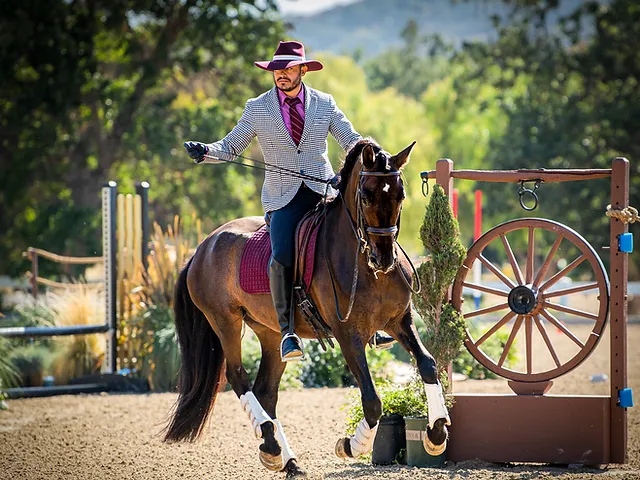
Improving Your Half Halt: Tips for Progress
Developing a refined half halt is a process that takes patience and practice. Here are some strategies to help you and your horse advance:
- Work with a Qualified Instructor: Regular feedback helps you fine-tune your timing and coordination.
- Practice on a Circle: Circles naturally encourage balance and make it easier to feel the effects of your aids.
- Use Transitions: Incorporate frequent transitions within and between gaits to reinforce responsiveness.
- Stay Consistent: Apply the aid the same way each time to help your horse understand and anticipate your signals.
- Focus on Rider Position: A balanced seat is essential for effective communication. Explore resources like how to develop an independent seat for more guidance.
Remember, the half halt is as much about feel as it is about technique. The more you practice, the more intuitive it will become.
Related Concepts: Rider Aids and Balance
The effectiveness of the half halt is closely linked to your overall use of aids and your ability to maintain balance. Riders who understand the interplay between seat, leg, and hand are better equipped to deliver clear, concise signals. For a deeper dive into these principles, check out rider aids in dressage explained and dressage rider balance tips.
Additionally, learning about the basics of the sport can provide valuable context. For those just starting out, this introduction to dressage and how to get started is a helpful resource.
Frequently Asked Questions
What Is the Difference Between a Half Halt and a Full Halt?
A half halt is a brief, rebalancing signal that does not bring the horse to a stop, while a full halt is a complete cessation of movement. The half halt is used to collect, focus, and prepare the horse for transitions or movements, whereas the full halt is typically used as a transition point or to demonstrate obedience.
How Often Should I Use the Half Halt During Training?
The half halt can be used as often as needed to maintain balance, attention, and rhythm. In practice, riders may use it multiple times during a single exercise, especially before transitions, corners, or when the horse loses focus. The key is to keep the aid subtle and avoid overusing it to the point where the horse becomes dull to the signal.
Can Beginners Learn to Apply the Half Halt?
Yes, riders at all levels can and should learn to use the half halt. Beginners should start with simple exercises at the walk, focusing on coordination and timing, before progressing to more advanced work. Working with a knowledgeable instructor can accelerate the learning process and ensure correct application.