

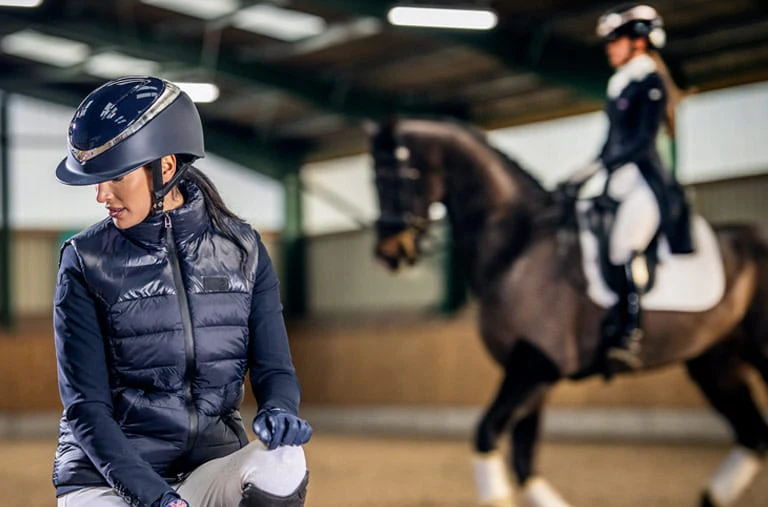
For anyone involved in horse riding, understanding helmet safety standards is essential. The PAS 015 safety standard is one of the most recognized benchmarks for equestrian helmets, ensuring riders have reliable protection in the event of a fall or impact. Whether you’re a seasoned competitor or a casual rider, knowing what this certification means can help you make informed choices about your gear and safety.
This article explores the essentials of the PAS 015 standard, how it compares to other certifications, and what equestrians should look for when selecting a helmet. We’ll also cover how to identify compliant helmets, why this standard matters for your well-being, and answer common questions about helmet safety.
If you’re interested in learning more about how environmental factors can affect your helmet’s integrity, check out our article on the impact of heat on equestrian helmets. Proper storage and care are just as important as choosing the right certification.
Understanding the PAS 015 Certification
The PAS 015 is a British safety standard developed specifically for equestrian helmets. It stands for “Product Approval Specification” and is managed by the British Standards Institute (BSI). This certification sets out rigorous requirements for helmet construction, performance, and testing, aiming to reduce the risk of head injuries during riding accidents.
Helmets that meet this standard undergo a series of tests, including:
- Impact absorption (to protect against falls and blows)
- Piercing resistance (to prevent sharp objects from penetrating the helmet)
- Retention system strength (ensuring the harness stays secure during impact)
- Stability and coverage (making sure the helmet stays in place and covers critical areas)
The PAS 015 standard is periodically updated to reflect advances in materials and safety research. The most recent version, PAS 015:2011, includes enhanced requirements for side and rear impact protection, making it one of the most comprehensive standards in the industry.
Why Equestrian Riders Should Prioritize PAS 015 Helmets
Not all riding helmets offer the same level of protection. The PAS 015 certification is recognized by many equestrian organizations and event organizers, and is often required for competition. Choosing a helmet that meets this standard means you’re investing in a product that has been thoroughly tested for real-world riding risks.
Some of the key benefits of selecting a PAS 015 certified helmet include:
- Enhanced impact protection for falls from height or at speed
- Better coverage of vulnerable areas such as the back and sides of the head
- Stringent testing for both sharp and blunt impacts
- Peace of mind for riders, parents, and trainers
How PAS 015 Compares to Other Helmet Standards
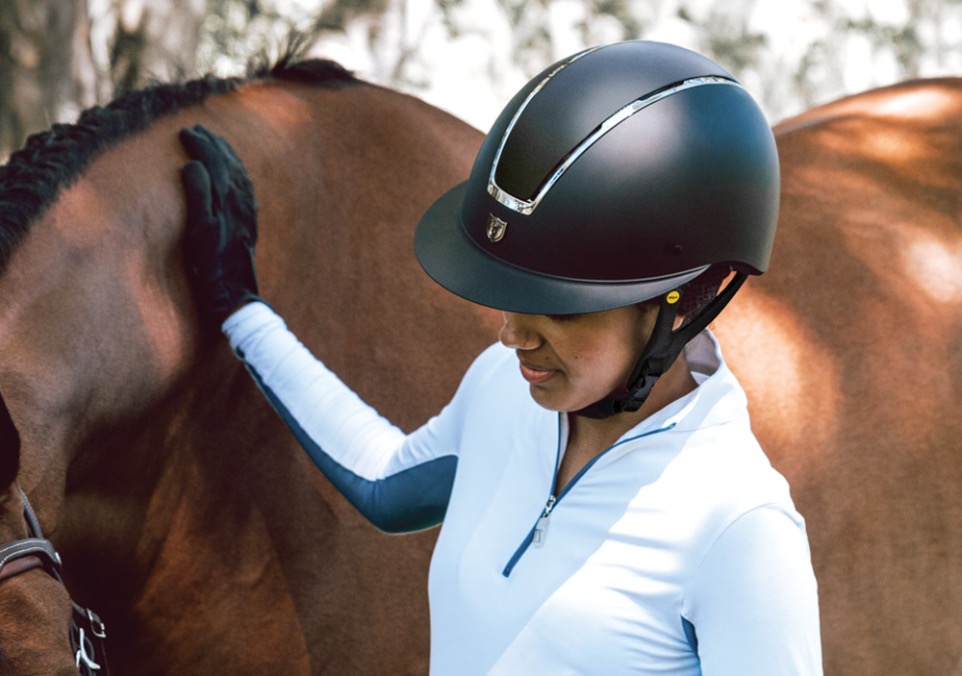
The equestrian world recognizes several helmet standards, each with its own testing protocols and focus areas. Alongside PAS 015, you might encounter certifications such as ASTM F1163 (USA), VG1 (Europe), and Snell E2016. Understanding the differences can help you choose the right helmet for your needs.
PAS 015 vs. ASTM F1163: While both standards test for impact and retention, PAS 015 generally includes more rigorous side and rear impact assessments. ASTM F1163 is widely accepted in North America, but some international competitions may require PAS 015 or dual-certified helmets.
PAS 015 vs. VG1: VG1 is a European standard that focuses on basic impact and penetration resistance. PAS 015 typically goes further by demanding higher performance in stability and harness strength.
Some helmets feature multiple certifications, offering flexibility for riders who compete internationally or across different disciplines. For a deeper dive into how various standards stack up, see our resource on equestrian helmet safety ratings.
Key Features of Helmets Meeting the PAS 015 Standard
When shopping for a new helmet, look for the following features that indicate compliance with the PAS 015 specification:
- Label or sticker stating “PAS 015:2011” (sometimes accompanied by the BSI Kitemark)
- Strong, adjustable harness with secure fastenings
- Robust outer shell and shock-absorbing liner
- Coverage that extends to the lower back of the head and temples
- Comfortable fit with minimal movement when fastened
To ensure the best protection, always purchase helmets from reputable retailers and avoid second-hand options, as previous impacts or age can compromise safety. For help with sizing, our equestrian helmet size guide offers practical tips on finding the right fit.
Tips for Selecting and Caring for Your PAS 015 Helmet
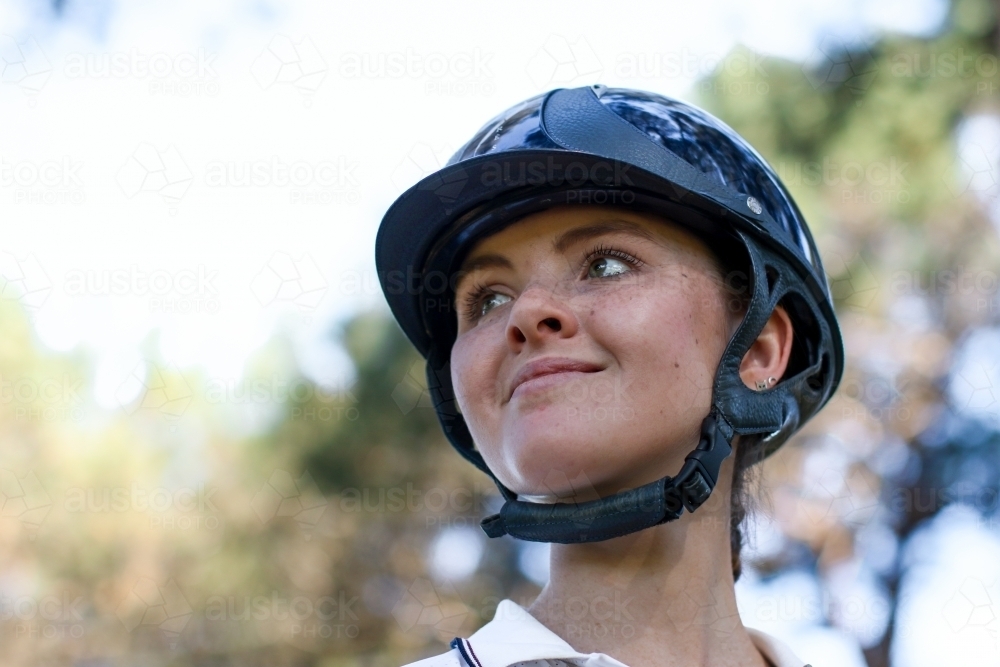
To maximize the benefits of your helmet, follow these practical tips:
- Check for certification labels before purchasing.
- Try on several models to ensure a snug, comfortable fit.
- Replace your helmet after any significant impact, even if there’s no visible damage.
- Store your helmet in a cool, dry place away from direct sunlight and heat sources.
- Clean the helmet according to the manufacturer’s instructions, avoiding harsh chemicals.
For a step-by-step approach to measuring your head, see our guide on how to measure head for riding helmet. Proper fit is just as important as certification for effective protection.
Innovations and Future Trends in Equestrian Helmet Safety
The field of helmet safety is continually evolving. Recent innovations include the integration of MIPS technology (Multi-directional Impact Protection System), which helps reduce rotational forces during angled impacts. While PAS 015 focuses on core impact and penetration resistance, some manufacturers are combining these requirements with advanced features to offer even greater protection.
As research progresses, future updates to the PAS 015 standard may incorporate new materials and testing methods, further raising the bar for rider safety. Staying informed about these developments ensures you’re always equipped with the best available protection.
Frequently Asked Questions
What does PAS 015 mean for equestrian helmets?
PAS 015 is a British safety certification that sets strict requirements for helmet construction, impact absorption, and retention. Helmets with this label have passed a series of demanding tests designed to protect riders from common equestrian accidents.
Is PAS 015 certification required for competitions?
Many equestrian organizations and events, especially in the UK and Europe, require helmets to meet the PAS 015 standard. Always check the rules of your discipline or event before competing.
How often should I replace my PAS 015 helmet?
It’s recommended to replace your helmet after any fall or significant impact, even if there’s no visible damage. Additionally, helmets should be replaced every 3–5 years due to material aging and wear.
Can I use a helmet with multiple certifications?
Yes, many helmets are certified to multiple standards, such as PAS 015 and ASTM F1163. This can be especially useful for riders who compete internationally or in various disciplines.
Conclusion
Choosing a helmet that meets the PAS 015 safety standard is one of the most effective ways to protect yourself while riding. By understanding what this certification means, how it compares to other standards, and how to select the right helmet, you can ride with greater confidence and security. Remember to check for proper fit, care for your equipment, and stay updated on the latest safety innovations to ensure you’re always well-protected in the saddle.