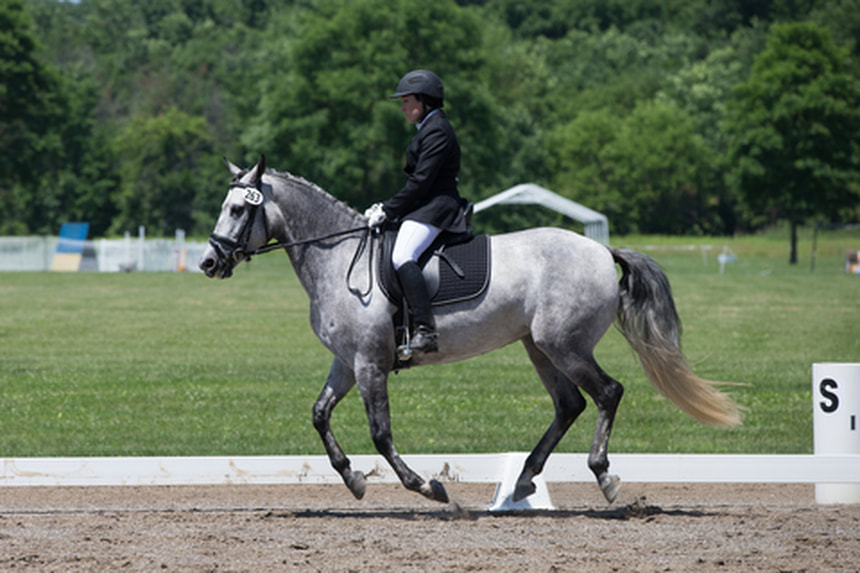
Establishing a strong foundation through groundwork for dressage horses is essential for any rider aiming to develop a responsive, balanced, and confident equine partner. Before progressing to advanced movements in the saddle, groundwork helps horses understand cues, improve suppleness, and build trust with their handler. This guide explores practical groundwork exercises, their benefits, and how to integrate them into your training routine for better dressage performance.
Whether you’re working with a young horse or refining the basics with an experienced mount, consistent groundwork lays the path for clear communication and athletic development. If you’re interested in learning more about specific lateral movements, the dressage lateral movements explained article provides valuable insights into the next steps after groundwork.
Why Groundwork Matters in Dressage Training
Ground-based exercises are more than just a warm-up—they are a cornerstone of classical dressage education. By working with your horse from the ground, you can focus on developing balance, straightness, and obedience without the added complexity of a rider’s weight. This approach allows you to observe your horse’s movement patterns, address stiffness, and correct asymmetries early.
Key benefits of groundwork include:
- Improved communication between horse and handler
- Enhanced flexibility and muscle development
- Better understanding of basic aids and cues
- Increased confidence and relaxation for the horse
- Safer environment to introduce new concepts
Essential Tools and Safety Tips
Before starting any groundwork, ensure you have the right equipment. A well-fitting halter, a sturdy lead rope, a dressage whip or lunge whip, and gloves are recommended. Always work in a safe, enclosed area with good footing to prevent slips or injuries.
Safety is paramount. Stay aware of your horse’s body language and maintain a respectful distance, especially when teaching new skills. Consistency and patience are key—progress at a pace that keeps your horse relaxed and attentive.
Core Groundwork Exercises for Dressage Horses
Incorporating a variety of groundwork routines helps prepare your horse for the demands of dressage. Here are some core exercises to include in your program:
Leading and Halting with Precision
Start by practicing leading your horse at walk and halt transitions. Focus on having your horse stop promptly when you stop, and move forward when you do. This basic exercise builds attentiveness and respect for your cues.
Lunging for Rhythm and Balance
Lunging is a classic method to develop rhythm, relaxation, and balance. Use a lunge line and encourage your horse to move in a steady circle at walk, trot, and canter. Pay attention to evenness in both directions, and use your voice and body language to guide transitions.
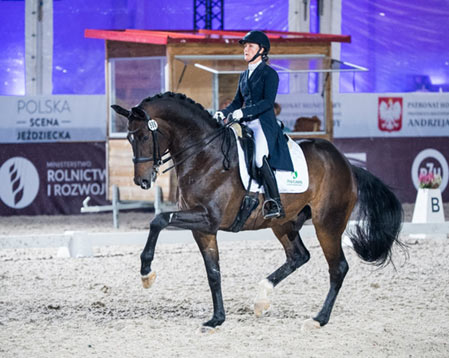
Yielding to Pressure and Moving the Shoulders
Teaching your horse to yield its shoulders and hindquarters to light pressure is fundamental for future lateral work. Stand at your horse’s side and apply gentle pressure with your hand or whip to ask for a step away. Reward even the smallest try to encourage understanding.
For a deeper dive into these movements, the shoulder-in dressage exercise guide breaks down how groundwork translates to ridden lateral work.
Backing Up Responsively
Asking your horse to back up on cue builds respect and strengthens the hindquarters. Stand facing your horse and use a combination of voice, body language, and gentle pressure on the halter or chest to encourage a few steps back. Keep sessions short and positive.
Progressing to Advanced Dressage Movements
Once your horse is confident with basic groundwork, you can introduce more complex exercises that mirror dressage movements. In-hand work, such as shoulder-in, leg yield, and haunches-in, helps your horse understand lateral aids before you attempt them under saddle.
For example, practicing leg yield dressage training from the ground helps clarify the concept of moving away from pressure. Similarly, groundwork for haunches-in can be explored further in the haunches-in dressage training resource.
Integrating Groundwork into Your Training Program
Consistency is crucial when incorporating groundwork into your horse’s routine. Aim to include short groundwork sessions several times a week, either as a standalone activity or as a warm-up before riding. Adapt exercises to your horse’s age, fitness level, and temperament, and always finish on a positive note.
As your horse progresses, you’ll notice improvements in responsiveness, straightness, and willingness under saddle. For tips on transitioning from groundwork to mounted work, the how to ride correct dressage transitions article offers practical advice.
Common Challenges and Solutions
Even experienced handlers encounter obstacles when teaching groundwork. Some horses may be resistant, distracted, or nervous. Address these issues with patience and clear, consistent cues. If your horse struggles with a particular exercise, break it down into smaller steps and reward progress.
Remember, groundwork is not just for young or green horses. Seasoned dressage horses benefit from revisiting these basics to maintain suppleness and mental engagement.
Further Resources and Next Steps
To deepen your understanding of dressage training, explore resources like this beginner equestrian’s guide to dressage riding. Combining quality groundwork with ongoing education will set you and your horse up for long-term success in the arena.
Frequently Asked Questions
How often should I practice groundwork with my dressage horse?
Aim for two to three short sessions per week, adjusting frequency based on your horse’s needs and training schedule. Consistency is more important than duration—regular, focused groundwork builds lasting results.
Can groundwork help solve behavioral issues?
Yes, groundwork is an effective way to address many behavioral challenges. By improving communication and establishing boundaries, you can help your horse become more attentive and respectful, both on the ground and under saddle.
What are some signs that groundwork is improving my horse’s dressage skills?
Look for increased responsiveness to cues, better balance and straightness, and a more relaxed, confident demeanor. These improvements often translate to smoother transitions and greater willingness during ridden work.