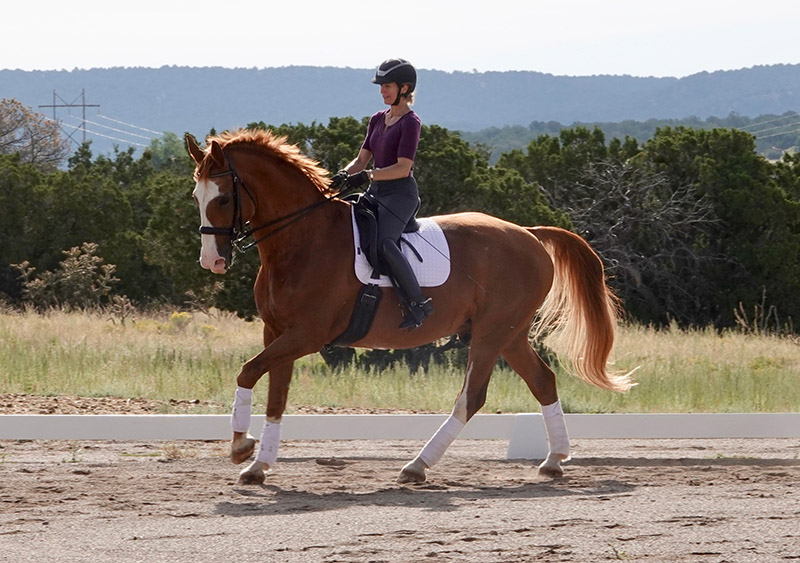
Understanding first level dressage movements is a key step for riders progressing beyond the basics of dressage. At this stage, both horse and rider are expected to demonstrate increased balance, suppleness, and obedience while performing more complex patterns. Mastering these movements lays the groundwork for higher-level dressage and helps develop a harmonious partnership between horse and rider.
This guide breaks down the essential exercises, expectations, and training tips for riders working at this level. You’ll also find practical advice, useful resources, and answers to common questions to support your journey in the dressage arena.
Before diving into the core movements, it’s important to focus on foundational skills. For example, improving your hand position in dressage riding can make a significant difference in communication and effectiveness. Building on these basics ensures a smoother transition into the more demanding patterns of this level.
What Sets First Level Dressage Apart?
Moving up from introductory and training levels, riders at this stage are expected to show more engagement and collection from their horses. The patterns become more intricate, requiring precise aids and clear understanding between horse and rider. The focus shifts from simply maintaining rhythm and relaxation to demonstrating increased impulsion, straightness, and connection.
Judges look for horses that move forward willingly, maintain steady contact, and respond promptly to subtle cues. Riders must exhibit a secure seat, effective use of aids, and the ability to ride accurate figures. For more on developing a balanced seat, see these dressage rider balance tips.
Core Movements Introduced at This Level
The following patterns and transitions are central to this stage of dressage. Each movement is designed to test and improve the horse’s balance, obedience, and athleticism, as well as the rider’s coordination and timing.
- Leg Yield: This lateral movement asks the horse to move forward and sideways at the same time. It encourages suppleness and responsiveness to the rider’s leg aids.
- Lengthening of Stride: Both in trot and canter, riders must show a clear difference between working and lengthened strides. The horse should cover more ground without rushing or losing balance.
- 10-Meter Circles: These smaller circles require increased balance and engagement from the horse, testing the rider’s ability to maintain rhythm and bend.
- Change of Lead Through Trot: Instead of a simple walk transition, the horse must change canter leads by transitioning through a few trot steps, demonstrating obedience and balance.
- Stretching Circle: The horse is asked to stretch its neck forward and downward while maintaining contact and rhythm, showing relaxation and trust.
- Halt Through Walk: The horse transitions from trot to walk, then to halt, demonstrating smoothness and attentiveness.

Developing the Horse and Rider Partnership
Success at this stage depends on the partnership between horse and rider. Consistent, correct practice is essential. Riders should focus on clear, consistent aids and reward the horse for correct responses. Patience is key, as some horses may need more time to develop the strength and understanding required for these movements.
Riders can benefit from reviewing the use of effective leg aids in dressage to improve communication and precision. Additionally, working on an independent seat and soft, following hands will help the horse stay relaxed and attentive.
Training Tips for Mastering Lateral Work and Transitions
Introducing lateral movements and transitions between gaits should be done gradually. Begin with clear, simple aids and reward even small attempts. Use plenty of circles, serpentines, and changes of direction to keep the horse supple and attentive.
- Start with Leg Yield on the Quarter Line: Ask for a few steps at a time, then return to straightness.
- Practice Lengthenings on the Diagonal: Use the long side or diagonal of the arena to encourage the horse to move forward and cover more ground.
- Incorporate Transitions Within Gaits: Alternate between working and lengthened trot or canter to build strength and responsiveness.
- Use Poles or Markers: Place poles or cones to help ride accurate circles and transitions.
For more on refining your aids, see rider aids in dressage explained.

Common Challenges and How to Overcome Them
Riders and horses often encounter a few stumbling blocks when learning these new exercises. Some common issues include:
- Lack of Straightness: Horses may drift or lose alignment during lateral work. Focus on keeping your own body straight and use clear aids.
- Loss of Rhythm: Transitions and circles can disrupt the horse’s tempo. Prioritize maintaining a steady rhythm, even if it means slowing down the movement.
- Resistance to Contact: If the horse comes above the bit or resists, check your hand position and ensure your aids are soft and consistent.
- Difficulty with Lengthenings: Build strength gradually and reward even small improvements in stride length.
For further reading on developing balance and symmetry, consider this in-depth guide to balance and symmetry in dressage.
Building a Solid Foundation for Higher Levels
Mastery of these patterns is not just about passing tests—it’s about building a foundation for future progress. Riders who take the time to develop correct basics at this stage will find it easier to advance to more complex movements such as shoulder-in, travers, and flying changes.
Consistent practice, regular feedback from a knowledgeable instructor, and attention to detail are essential. Don’t rush the process; allow your horse time to develop the strength and understanding needed for each new challenge. Reviewing how to develop an independent seat can also help you become a more effective and confident rider.
Frequently Asked Questions
What are the main goals of first level dressage?
The main goals are to demonstrate increased suppleness, balance, and obedience from the horse, as well as improved rider coordination. Movements introduced at this stage prepare both horse and rider for more advanced work by focusing on lateral exercises, lengthenings, and transitions.
How can I improve my horse’s lengthened trot?
Start by developing a strong, active working trot. Use transitions within the gait to encourage your horse to push from behind and cover more ground. Reward small improvements and avoid rushing. Practicing on long straight lines or diagonals can help your horse understand the difference between working and lengthened strides.
What should I do if my horse struggles with lateral movements?
Break the movement down into smaller steps. Begin with a few steps of leg yield and gradually increase the number as your horse gains confidence. Make sure your aids are clear and consistent, and always reward effort. If you encounter persistent resistance, check your own position and consider seeking feedback from a qualified instructor.