


In recent years, the topic of equine obesity and diet has grown increasingly important among horse enthusiasts and veterinarians alike. The health of a horse is significantly impacted by its diet, and understanding how to manage equine weight is crucial. This article explores how proper dieting can prevent obesity among horses, ensuring they remain healthy and fit.
Causes of Equine Obesity
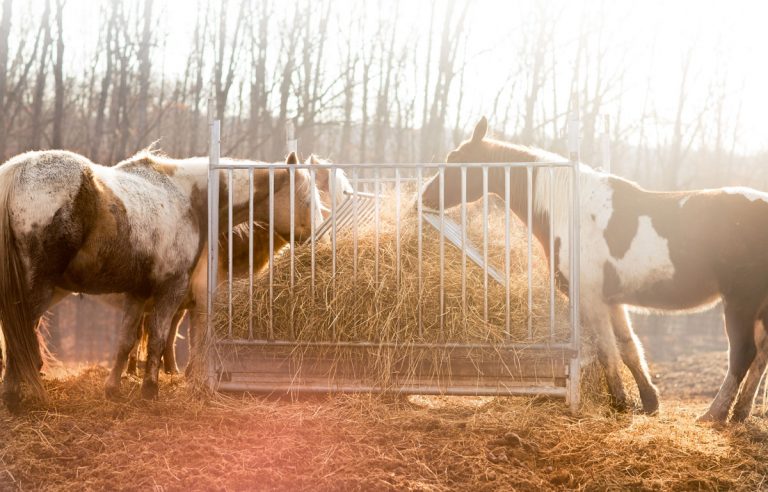
Horses have evolved to graze for most of the day, but modern management practices often limit their feeding opportunities. When horses consume too many calories without enough exercise, it can lead to obesity.
Understanding Equine Diet
A horse’s diet should be a carefully balanced mix of nutrients. Typically, it should consist of forage, supplemented with additional grains and concentrates as necessary.
Forage as a Foundation
The foundation of a horse’s diet is its forage. Alfalfa, clover, and various grasses form the bulk of what should be in their feeding schedule. Understanding how to balance these is key, and you can find more on feeding schedule.
Role of Grains and Concentrates
Grains and concentrates are added to provide extra calories and are especially helpful when a horse is underweight or requires more energy beyond what forage can provide.
Health Risks Associated with Obesity
Equine obesity isn’t merely a cosmetic issue; it presents severe health problems. This includes laminitis, metabolic disorders, and a shortened lifespan.
Laminitis and Weight
One of the most dangerous risks is laminitis, a painful condition affecting the hooves. Weight management plays a vital role in prevention.
Metabolic Diseases
The risk of metabolic diseases such as Equine Metabolic Syndrome increases significantly with obesity. Learn more about nutritional diseases.
Creating a Weight Management Plan
A proactive approach to managing your horse’s weight involves careful planning and regular monitoring.
Regular Weigh-ins
Conducting regular weigh-ins using a weight tape can help in monitoring your horse’s body condition and adjusting the diet as needed.
Exercise as a Routine
Exercise should be a routine part of every horse’s life. It accelerates metabolism and helps in burning off extra calories.
Importance of Consulting a Vet
Consulting a veterinarian is crucial for developing an effective diet plan. Professional advice ensures that all nutritional requirements are met without excess.
Understanding Supplementary Needs
Part of a good diet plan is understanding when to use supplements, like in the case of electrolyte supplements.
Final Thoughts on Equine Health
In conclusion, managing equine obesity and diet is not just about reducing calorie intake but also about providing a balanced diet fused with adequate exercise. The health improvements ensure a happy, active life for horses of all ages.
FAQs
How can I tell if my horse is overweight?
Regularly assessing body condition scores and utilizing weight tapes are effective methods.
What is the best way to start a diet plan for my overweight horse?
Consulting with a veterinarian and gradually adjusting the horse’s diet and exercise plan is recommended.
Is hay enough for my horse’s nutrition?
While hay is essential, it may not provide all necessary nutrients. Supplements and concentrates might be needed if deficiencies are detected.
This article contains affiliate links. We may earn a commission at no extra cost to you.