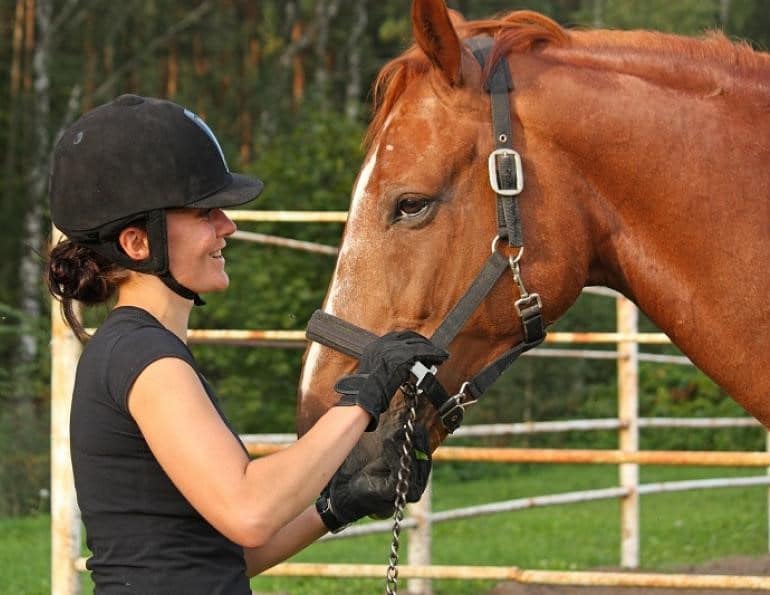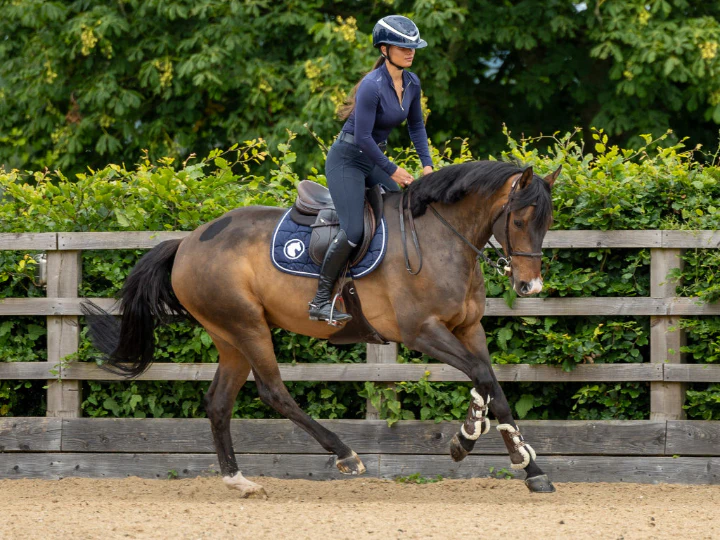
Horseback riding is an exciting and rewarding activity, but it comes with inherent risks. One of the most important pieces of safety equipment for any rider is a well-fitted, certified helmet. With so many options available, understanding how equestrian helmet safety ratings work is crucial for making informed decisions about your protection. This guide breaks down the main standards, what they mean, and how to choose the right helmet for your needs.
Whether you’re a beginner or a seasoned equestrian, knowing how helmets are tested and rated can help you ride with greater confidence. Alongside fit and comfort, safety certification should be at the top of your checklist when selecting a helmet. For help with sizing, check out this detailed equestrian helmet size guide to ensure your gear offers the best possible protection.
Why Helmet Safety Standards Matter
Not all riding helmets are created equal. Safety standards are developed by organizations to ensure helmets provide a minimum level of impact protection and reduce the risk of head injuries. These standards are based on rigorous testing, including impact absorption, penetration resistance, and retention system strength. Helmets that meet or exceed these requirements are certified and labeled accordingly.
The importance of equestrian helmet safety ratings cannot be overstated. Wearing a certified helmet can mean the difference between a minor bump and a serious injury. Riders should always look for certification labels inside their helmets and understand what those labels represent.
Key Equestrian Helmet Certification Standards
Several major standards are recognized worldwide. Each has its own testing protocols and criteria, but all aim to ensure a high level of protection for riders. Here are the most common certifications you’ll encounter:
- ASTM/SEI (United States): The American Society for Testing and Materials (ASTM) develops the standard, and the Safety Equipment Institute (SEI) certifies helmets that pass. The current standard is ASTM F1163.
- VG1 (Europe): This is a European standard that has largely replaced the older EN1384. Helmets with VG1 certification meet strict impact and retention requirements.
- BSI Kitemark (United Kingdom): The British Standards Institute (BSI) issues the Kitemark for helmets that meet PAS015 or VG1 standards and pass additional quality checks.
- Snell E2016 (International): The Snell Memorial Foundation standard is known for its demanding tests, including higher impact velocities and multiple impact points.
Some helmets may carry multiple certifications, making them suitable for a variety of disciplines and competitions. Always check which standards are required by your riding organization or event.

How Helmet Ratings Are Tested
To earn certification, helmets undergo a series of laboratory tests designed to simulate real-world riding accidents. These tests typically include:
- Impact Absorption: Helmets are dropped onto hard surfaces at various angles to measure how well they absorb energy and reduce force to the head.
- Penetration Resistance: A sharp object is dropped onto the helmet to ensure it can withstand punctures.
- Retention System Strength: The chin strap and harness are tested to verify they stay secure during a fall.
- Stability: Tests ensure the helmet does not shift excessively or come off during sudden movements.
Some advanced helmets also feature technologies like MIPS (Multi-directional Impact Protection System), which is designed to reduce rotational forces during angled impacts. For a deeper dive into this technology, see this comprehensive explanation of MIPS in riding helmets.
Choosing the Right Helmet for Your Discipline
Different equestrian sports may have specific requirements for helmet certification. For example, eventing and show jumping often require ASTM/SEI or Snell-certified helmets, while dressage and hacking may allow a wider range of standards. Always consult your discipline’s rulebook before purchasing new headgear.
Beyond certification, consider these factors:
- Fit: A helmet should fit snugly without pressure points. Use a size guide to measure your head and try on several models.
- Ventilation: Good airflow helps keep you cool and comfortable, especially during long rides.
- Weight: Lightweight helmets reduce neck fatigue.
- Style: While safety is paramount, many brands offer a range of colors and finishes to suit your personal taste.

Helmet Care and Replacement
Even the best-rated helmet won’t protect you if it’s damaged or worn out. Follow these tips to ensure your helmet continues to offer optimal protection:
- Inspect Regularly: Check for cracks, dents, or frayed straps before every ride.
- Replace After Impact: Any fall or impact can compromise the helmet’s integrity, even if no damage is visible.
- Follow Manufacturer Guidelines: Most manufacturers recommend replacing helmets every 3–5 years, depending on use and exposure to sunlight or sweat.
- Store Properly: Keep your helmet in a cool, dry place away from direct sunlight and chemicals.
Proper care extends the life of your helmet and ensures it continues to meet safety standards. For more on general horse care, you might also enjoy our guides on horse grooming at home and professional grooming tips.
Frequently Asked Questions
How do I know if my helmet meets current safety standards?
Check the inside of your helmet for certification labels such as ASTM/SEI, VG1, PAS015, or Snell. These labels indicate the helmet has passed required safety tests. If you’re unsure, consult the manufacturer’s website or your riding organization’s guidelines.
Can I use a bike helmet for horseback riding?
No, bike helmets are not designed for the types of impacts common in equestrian falls. Only helmets specifically certified for horseback riding should be used, as they are tested for different scenarios and offer better protection for riders.
How often should I replace my riding helmet?
Replace your helmet after any fall or significant impact, even if there’s no visible damage. Otherwise, plan to replace it every 3–5 years, as materials degrade over time and may not provide adequate protection.
What is MIPS and do I need it in my helmet?
MIPS stands for Multi-directional Impact Protection System, a technology designed to reduce rotational forces during angled impacts. While not mandatory, helmets with MIPS may offer added protection, especially for riders concerned about rotational injuries. Learn more from this detailed guide to MIPS in riding helmets.
Conclusion
Understanding how equestrian helmet safety ratings work empowers you to make safer choices every time you ride. Always select a helmet that meets recognized standards, fits properly, and is well maintained. Your safety is worth the investment—choose wisely and ride with confidence.