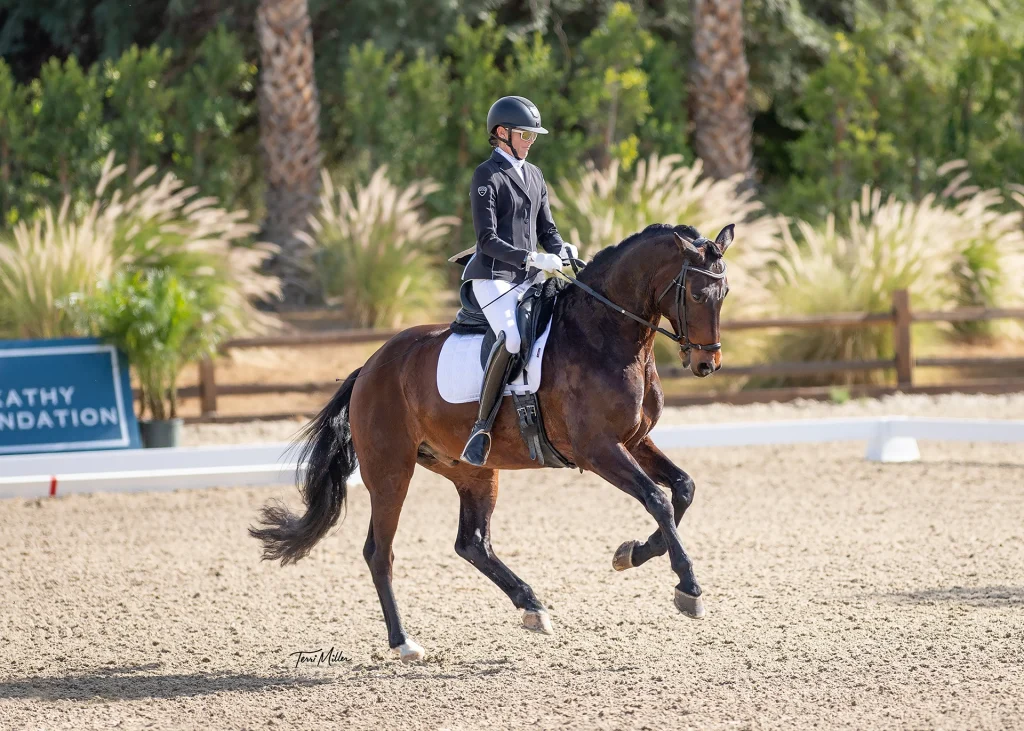
Mastering effective leg aids in dressage is essential for clear communication between horse and rider. These subtle cues, delivered through the rider’s legs, are fundamental to achieving harmony, precision, and responsiveness in every movement. Whether you are new to dressage or refining your technique at advanced levels, understanding how to apply, time, and coordinate your leg aids can make a significant difference in your horse’s performance and willingness.
This guide explores the principles behind proper leg use, practical exercises to improve your skills, and common pitfalls to avoid. For those looking to further enhance their riding foundation, resources like correct rider position in dressage can provide additional insight into developing a balanced and effective seat.
The Role of Leg Aids in Dressage Communication
In dressage, the rider’s legs act as a primary means of communication. They signal the horse to move forward, increase impulsion, bend, or yield laterally. Unlike more obvious cues, leg aids are designed to be subtle and refined, allowing for nearly invisible guidance in the arena. The effectiveness of these signals depends on the rider’s ability to apply them with clarity, consistency, and correct timing.
The inside leg typically maintains rhythm and bend, while the outside leg controls the hindquarters and prevents the horse from drifting. Both legs work together to encourage straightness and engagement, forming the basis for more advanced movements as the horse’s training progresses.
Key Elements of Proper Leg Application
To deliver precise leg cues, riders must focus on three main factors: position, pressure, and timing. Each plays a crucial role in ensuring that the horse understands and responds appropriately.
- Position: The rider’s legs should hang naturally from the hip, with the knee and thigh gently hugging the saddle. Ankles remain soft, and heels are down to provide stability without gripping.
- Pressure: Effective aids use minimal pressure. The calf initiates the cue, with increased firmness only if the horse does not respond. Overuse or excessive force can cause confusion or dullness.
- Timing: Synchronizing leg aids with the horse’s movement—especially the swing of the ribcage—maximizes clarity. Well-timed cues help the horse understand what is being asked without resistance.
Developing these skills often requires patience and self-awareness. Riders can benefit from regular feedback, either from instructors or through video analysis, to ensure their leg position and use remain consistent.
Types of Leg Aids and Their Effects
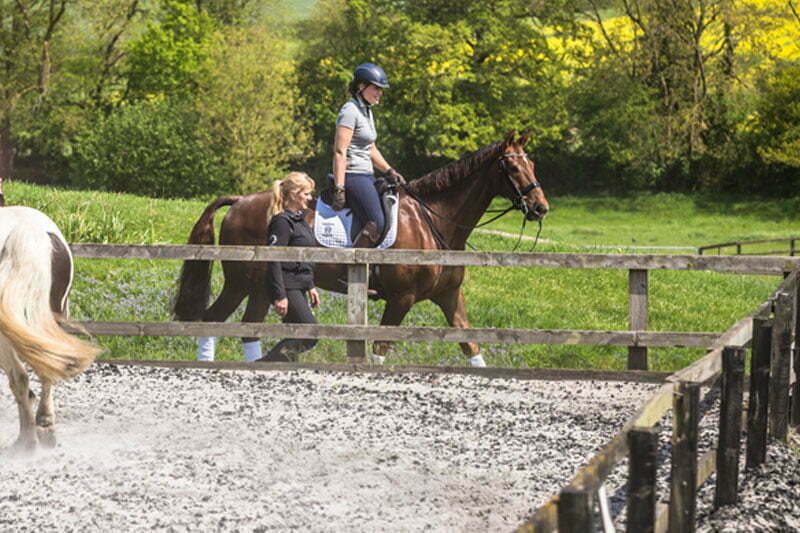
Riders use a variety of leg cues to achieve different responses. Understanding the distinctions between these aids is vital for clear communication and progression in training.
- Driving Aid: Applied with both calves to encourage forward movement or increased energy. Used for transitions, lengthenings, and maintaining impulsion.
- Supporting Aid: The inside leg at the girth maintains bend and balance, especially on circles or during lateral work.
- Yielding Aid: The outside leg, placed slightly behind the girth, asks the horse to move its hindquarters away, essential for leg-yield and other lateral movements.
- Restraining Aid: A gentle closing of the thigh or knee can steady the horse or prevent unwanted movement, complementing rein and seat aids.
Combining these cues with seat and rein aids creates a comprehensive language that allows for sophisticated and subtle direction in the dressage arena.
Exercises to Improve Leg Aid Effectiveness
Consistent practice is key to refining your use of leg cues in dressage. The following exercises can help riders of all levels develop greater awareness and control:
- Transitions Within and Between Gaits: Practice moving between walk, trot, and canter using only your legs and seat. Focus on using minimal pressure and rewarding immediate responses.
- Serpentines and Circles: Use your inside leg to maintain bend and your outside leg to guide the horse’s body. This helps reinforce the difference between supporting and yielding aids.
- Leg Yield: Ask your horse to move sideways off your leg, starting on the quarter line and moving toward the rail. Begin with small steps, ensuring the horse remains relaxed and attentive.
- Shoulder-In and Haunches-In: These lateral movements require precise coordination of both legs. Focus on timing and the amount of pressure needed to maintain the correct angle.
Regularly incorporating these exercises into your routine will build your horse’s responsiveness and your own confidence in delivering clear leg aids.
Common Mistakes When Using Leg Aids
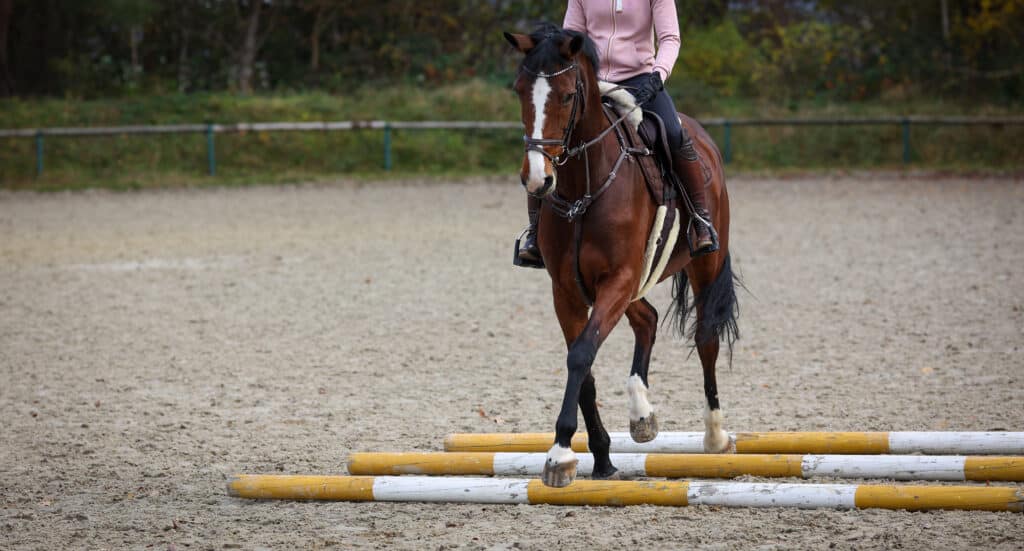
Even experienced riders can fall into habits that reduce the clarity or effectiveness of their leg cues. Some frequent issues include:
- Overusing the Leg: Constant pressure can desensitize the horse, making it less responsive over time. Always aim for light, timely cues and reward quick responses.
- Gripping or Pinching: Tension in the thigh or knee can block the seat and confuse the horse. Keep your legs relaxed and allow them to drape naturally.
- Poor Timing: Applying aids at the wrong moment in the horse’s stride can lead to misunderstanding or resistance. Practice feeling the horse’s movement to improve your timing.
- Inconsistent Position: Shifting leg position during transitions or movements can send mixed signals. Work on maintaining a steady, correct leg placement throughout your ride.
For a deeper look at rider errors and how to correct them, see the article on common rider mistakes in dressage.
Building a Responsive Partnership Through Leg Aids
The ultimate goal of using leg signals in dressage is to create a partnership where the horse responds willingly and confidently to the lightest touch. This requires patience, consistency, and a commitment to ongoing learning. Riders should strive to be clear and fair in their requests, always rewarding the horse for correct responses and adjusting their approach as needed.
As you progress, you may find it helpful to explore additional resources on conditioning a horse for dressage and dressage seat basics to further refine your skills and understanding.
Further Learning and Community Resources
Dressage is a discipline built on tradition, observation, and shared knowledge. Engaging with other riders and trainers can accelerate your progress. For those just starting out, the Horse & Hound forum discussion on beginning dressage offers practical advice and insights from experienced equestrians.
Remember, every horse and rider combination is unique. Take the time to experiment, reflect, and adjust your approach to find what works best for you and your horse.
Frequently Asked Questions
How can I tell if my leg aids are too strong or too weak?
If your horse ignores your cues or only responds to strong pressure, your aids may be too weak or inconsistent. Conversely, if the horse becomes tense or rushes, the aids may be too strong. Aim for the lightest touch that gets a prompt, relaxed response, and always reward the horse for listening.
What should I do if my horse doesn’t respond to my leg?
Start by checking your position and timing. If those are correct, apply a slightly firmer aid, then immediately release and reward any response. Avoid nagging with constant pressure. Consistency and clarity will help your horse become more responsive over time.
Are there specific exercises to help improve my leg position?
Yes, riding without stirrups, practicing transitions, and focusing on your seat can all help improve leg position. For more targeted tips, see how to improve dressage riding position for exercises and advice.