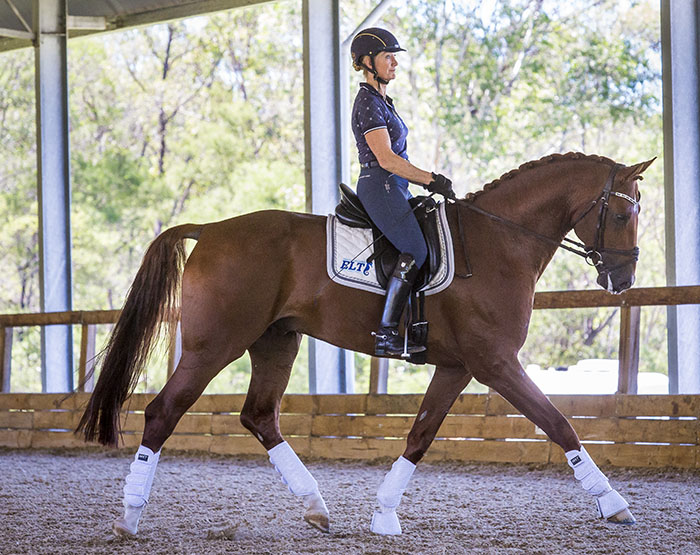
Achieving harmony and precision in dressage is possible without relying on coercion or harsh methods. Many riders and trainers are turning to approaches that prioritize the horse’s well-being, trust, and willingness. Emphasizing dressage training without force not only improves performance but also builds a stronger partnership between horse and rider. This guide explores humane techniques, foundational principles, and practical steps for cultivating a positive experience in the arena.
Whether you are new to the discipline or seeking to refine your approach, understanding how to work with your horse’s natural instincts and abilities is essential. We’ll cover key principles, step-by-step methods, and recommended resources for developing a respectful, effective training routine. For those interested in lateral movements, the dressage lateral movements explained article provides further insights into advanced techniques.
Core Principles of Gentle Dressage Methods
At the heart of non-coercive dressage is a commitment to positive reinforcement, clear communication, and patience. These principles ensure that the horse learns willingly and remains relaxed throughout training. Instead of using force or intimidation, riders focus on rewarding correct responses and allowing the horse time to process new information.
- Patience and Consistency: Progress is gradual. Consistent routines and calm repetition help the horse understand what’s expected.
- Clear Signals: Subtle aids and body language are more effective than strong physical cues. Clarity prevents confusion and resistance.
- Reward-Based Learning: Immediate rewards, such as a soft voice, gentle pat, or a brief rest, reinforce desired behaviors.
- Respect for the Horse’s Limits: Recognizing signs of stress or fatigue and adjusting sessions accordingly is crucial for long-term success.
For a deeper understanding of the foundational concepts, the British Dressage principles outline the values that underpin ethical training practices.
Building Trust and Communication
Establishing mutual trust is essential for any form of dressage training without force. Horses are sensitive animals that respond best to riders who are attentive and empathetic. Begin every session with groundwork to foster respect and understanding before moving on to mounted exercises.
- Groundwork: Exercises such as leading, yielding, and lunging teach the horse to listen and respond to subtle cues.
- Desensitization: Gradually introducing new objects or environments helps reduce anxiety and builds confidence.
- Body Language: Horses are highly attuned to posture and movement. Use calm, deliberate actions to communicate intent.
Consistent groundwork lays the foundation for more advanced work, such as the shoulder-in dressage exercise, which relies on clear communication and mutual understanding.
Step-by-Step Approach to Compassionate Dressage
Implementing a gentle approach involves breaking down training into manageable steps. This ensures the horse remains engaged and avoids frustration. Below is a practical sequence for introducing new movements and refining skills:
- Warm-Up: Begin with relaxed walking and stretching exercises. Allow the horse to loosen up physically and mentally.
- Introduce New Cues Gradually: Present one new aid or movement at a time. For example, when teaching leg yield, start with small shifts and reward even minimal effort. For more guidance, see leg yield dressage training.
- Observe and Adapt: Watch for signs of confusion or tension. If the horse struggles, return to a simpler exercise before progressing.
- Reward and Rest: End each session on a positive note, even if progress is small. A short break or gentle praise reinforces learning.
This patient, stepwise process is central to dressage training without force and leads to more reliable, enthusiastic performance over time.
Common Challenges and How to Overcome Them
Even with the best intentions, obstacles can arise. Horses may resist, misunderstand, or become anxious during training. Addressing these issues with empathy and strategy is key to maintaining a force-free approach.
- Resistance to Aids: If the horse ignores or pushes against cues, check for physical discomfort or unclear signals. Adjust your aids and ensure tack fits properly.
- Loss of Focus: Short, varied sessions help maintain attention. Incorporate transitions and changes of direction to keep the horse engaged. For tips on smooth transitions, refer to how to ride correct dressage transitions.
- Stress or Anxiety: Allow the horse time to acclimate to new environments. Use familiar routines and offer frequent reassurance.
Remember, setbacks are normal. Progress in gentle dressage methods is measured by the horse’s confidence and willingness, not by speed.
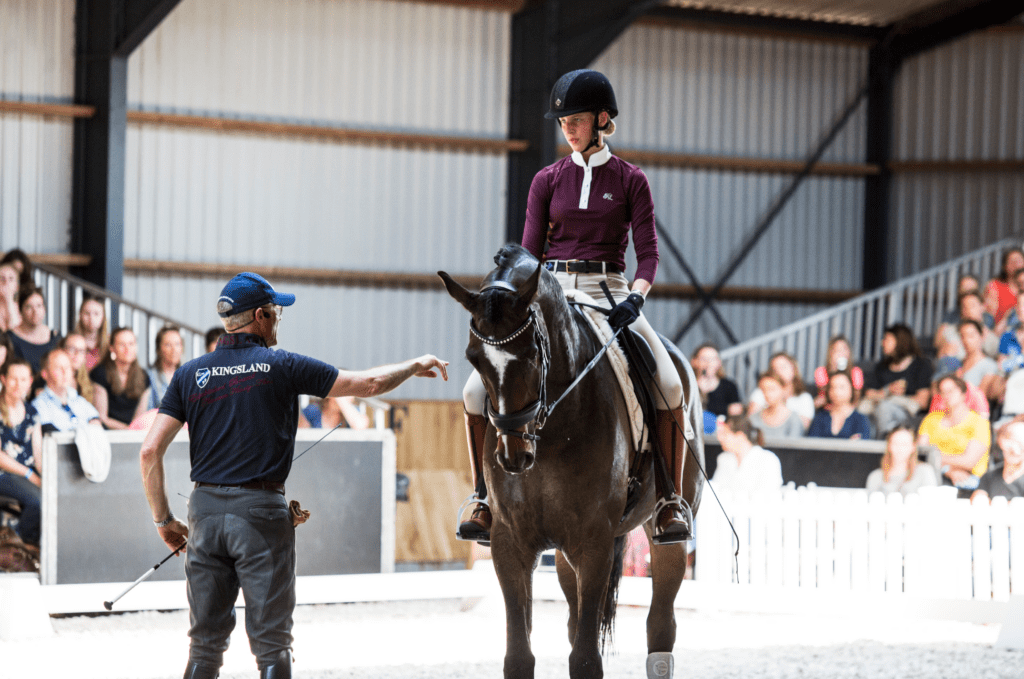
Developing Advanced Movements with Kindness
As your horse becomes more confident, you can introduce advanced exercises such as haunches-in or lateral work. These movements require increased balance and coordination, but can be taught using the same patient, reward-based strategies.
- Break Down Complex Tasks: Teach each component separately before combining them into a full movement.
- Use Positive Reinforcement: Mark small improvements with praise or a brief pause.
- Monitor for Tension: If the horse becomes tight or resistant, return to a simpler exercise. For detailed instruction, the haunches-in dressage training guide offers step-by-step advice.
Advanced dressage, when taught without pressure, not only enhances performance but also deepens the bond between horse and rider.
Benefits of a Force-Free Dressage Approach
Training with empathy and respect yields long-term advantages for both horse and rider. Some of the most significant benefits include:
- Improved Willingness: Horses trained without force are more eager to participate and learn new skills.
- Reduced Risk of Injury: Avoiding harsh methods minimizes physical and psychological harm.
- Stronger Partnership: Mutual trust leads to better communication and more enjoyable rides.
- Consistent Performance: Horses retain lessons better and perform reliably under pressure.
These outcomes make dressage training without force a sustainable and rewarding path for equestrians at all levels.
Frequently Asked Questions
What are the signs that my horse is comfortable with gentle dressage methods?
A relaxed posture, soft eyes, forward ears, and willingness to respond to subtle cues indicate comfort. The horse should move freely and show curiosity rather than tension or avoidance.
How do I handle setbacks or slow progress?
Setbacks are a normal part of learning. If progress stalls, return to simpler exercises and reward small improvements. Consistency and patience are key to overcoming challenges.
Can advanced dressage movements be taught without pressure?
Yes, even complex movements like lateral work or transitions can be introduced using positive reinforcement and gradual steps. Focus on clear communication and reward every effort.