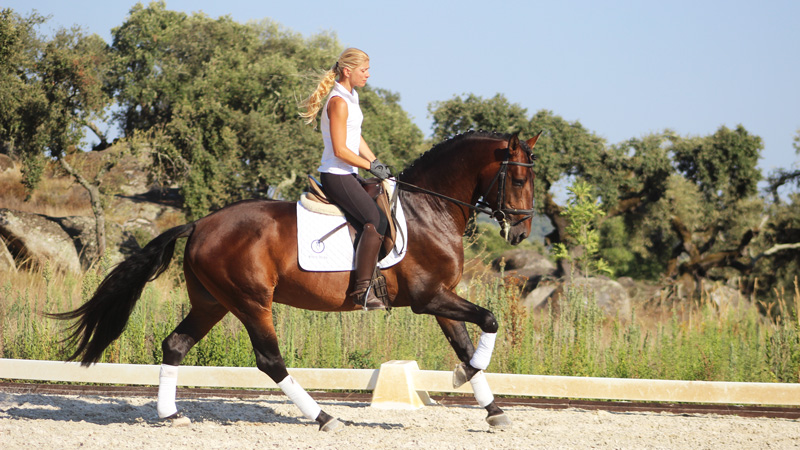
Progress in dressage is rarely a straight line. Riders and horses often encounter periods where improvement seems to stall, no matter how consistent the effort. These phases, commonly referred to as dressage training plateaus, can be both frustrating and confusing. Understanding why these plateaus occur, how to identify them, and what strategies can help overcome them is essential for anyone committed to advancing in this discipline.
This guide provides a clear look at the causes behind stagnation in dressage training, practical methods for breaking through, and tips for maintaining motivation. Whether you’re a competitive rider or working at home, recognizing and addressing these sticking points can make a significant difference in your progress.
For riders looking to deepen their understanding of specific exercises that can help move past these phases, the shoulder-in dressage exercise is an excellent resource to explore early in your journey.
Recognizing When Progress Stalls in Dressage
It’s natural for both horse and rider to experience periods where improvement slows or halts. These plateaus can manifest as repeated mistakes, loss of motivation, or a sense that lessons and practice sessions are no longer yielding results. Recognizing these signs early is the first step toward addressing them effectively.
- Repeated errors in movements that were previously mastered
- Lack of enthusiasm from either horse or rider during training
- Physical resistance or tension in the horse
- Feeling “stuck” at a particular level or movement
It’s important to differentiate between a temporary setback and a true plateau. Occasional off-days are normal, but persistent stagnation signals the need for a new approach.
Common Causes of Plateaus in Dressage Training
Understanding the root causes behind training slowdowns helps in finding the right solutions. Some of the most frequent contributors include:
- Physical limitations in the horse, such as lack of strength, flexibility, or balance
- Rider habits that inadvertently block progress, like inconsistent aids or posture issues
- Mental fatigue or boredom from repetitive routines
- Insufficient variety in exercises and lack of clear goals
- Overtraining without adequate rest and recovery
Sometimes, plateaus are a sign that the horse or rider has reached the limit of their current skills and needs to develop new abilities before further progress is possible.
Strategies for Overcoming Stagnation in Dressage
Breaking through a plateau requires a combination of patience, creativity, and sometimes a willingness to step back before moving forward. Here are several proven techniques to help get training back on track:
Varying the Routine
Introducing new exercises or changing the order of familiar ones can re-engage both horse and rider. For example, incorporating movements like dressage lateral movements or practicing transitions between gaits can stimulate learning and address specific weaknesses.
Setting Clear, Achievable Goals
Breaking larger objectives into smaller, manageable steps helps maintain motivation and provides a sense of accomplishment. Instead of focusing solely on mastering a complex movement, set interim goals such as improving straightness or achieving more consistent rhythm.
Seeking Expert Feedback
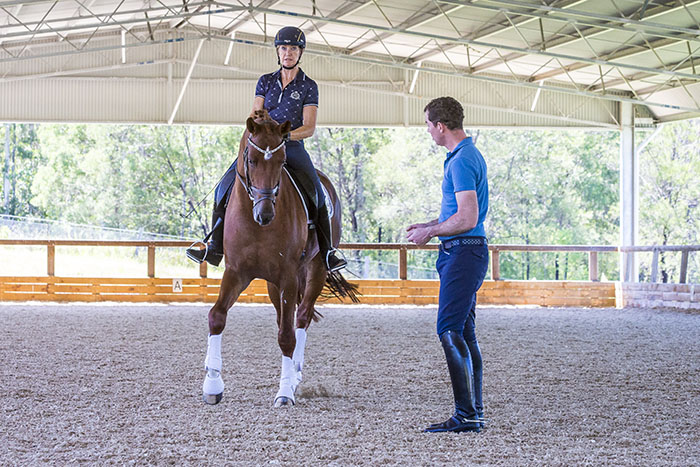
Sometimes, an outside perspective is invaluable. A qualified instructor can spot subtle issues in position, timing, or communication that may be holding you back. Video analysis or occasional clinics can also provide fresh insight.
Prioritizing Physical and Mental Wellbeing
Both horse and rider benefit from adequate rest, cross-training, and activities outside the arena. Trail rides, groundwork, or even a short break from schooling can help reset motivation and prevent burnout.
For more ideas on refining specific skills, the leg yield dressage training guide offers detailed exercises that can help address common sticking points.
Building Resilience During Training Plateaus
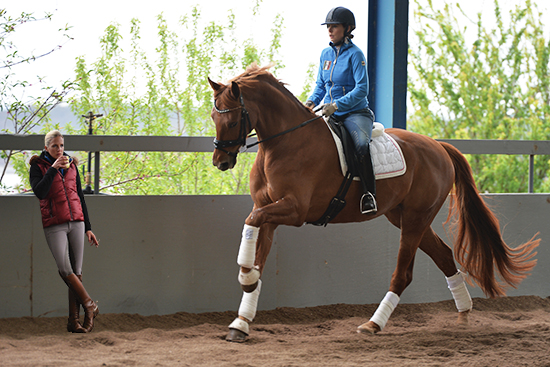
Stagnation is not a sign of failure but a normal part of the learning curve. Building resilience means accepting these phases as opportunities for growth. Here are a few ways to stay positive and productive:
- Track progress with a journal or video diary to see improvements over time
- Celebrate small wins to maintain morale
- Stay patient and avoid rushing the process, as forcing progress can lead to frustration or injury
- Connect with other riders for support and shared experiences
If you’re working on more advanced movements, resources like haunches-in dressage training can provide targeted exercises to help move past sticking points.
Expert Resources for Dressage Progress
Continuous learning is vital in dressage. Exploring reputable sources and seeking expert advice can make a significant difference. For example, this article on developing balance and symmetry in horse and rider offers valuable insights into overcoming common challenges and improving overall performance.
Additionally, refining your transitions can be a powerful way to break through stagnation. The how to ride correct dressage transitions guide provides practical tips for making each movement smoother and more effective.
Frequently Asked Questions
How long do dressage training plateaus typically last?
The duration of a plateau varies widely. Some may last only a few days, while others can persist for weeks or even months. The key is to remain patient, adjust your approach, and seek support when needed.
What are the best exercises to overcome stagnation in dressage?
Incorporating lateral movements, transitions, and groundwork can help re-engage both horse and rider. Exploring resources such as the dressage lateral movements explained guide can provide new ideas and inspiration.
Should I take a break if progress stalls?
Sometimes, a short break or change of routine can be beneficial. Rest allows both horse and rider to recover physically and mentally, often resulting in renewed motivation and better performance upon return.