Progressing through the stages of dressage requires patience, consistency, and a clear understanding of the benchmarks that mark true advancement. Whether you are just starting out or refining your horse’s skills, recognizing dressage training milestones is essential for setting realistic goals and measuring development. This guide outlines the fundamental benchmarks in a dressage horse’s education, from the basics to more advanced movements, and provides practical advice for riders aiming to support their horse’s journey.
Along the way, attention to details such as hand position in dressage riding and effective communication through the aids will help you and your horse achieve greater harmony. Let’s explore the key phases and what to expect at each stage.
Understanding the Foundations of Dressage Progression
Every successful dressage partnership begins with a solid foundation. The early stages focus on basic obedience, rhythm, and relaxation. These elements are the building blocks for all future work and are often referred to as the “Training Scale” in dressage. Achieving these initial goals sets the stage for more advanced skills and helps prevent issues as training becomes more complex.
At this level, horses learn to move forward willingly, maintain a steady tempo, and respond to the rider’s basic aids. Riders should prioritize straightness, balance, and a soft connection, which are all vital for future progress. Consistent practice and attention to detail will ensure a smooth transition to the next phase.
Essential Early Dressage Training Milestones
As you and your horse move beyond the basics, several key achievements signal readiness for more advanced work. These early dressage training milestones include:
- Consistent Rhythm and Relaxation: The horse maintains a steady tempo in all gaits and shows a calm, focused attitude.
- Acceptance of the Bit: The horse moves willingly into a soft, elastic contact without resistance.
- Accurate Transitions: Smooth, prompt transitions between walk, trot, and canter, both upward and downward.
- Basic Lateral Work: Introduction to leg-yielding and moving away from the rider’s leg.
- Balanced Circles and Turns: Ability to maintain balance and bend on circles of various sizes.
Mastering these skills is crucial before attempting more challenging exercises. Riders should also focus on developing their own position and balance; resources like how to develop an independent seat can be invaluable during this stage.
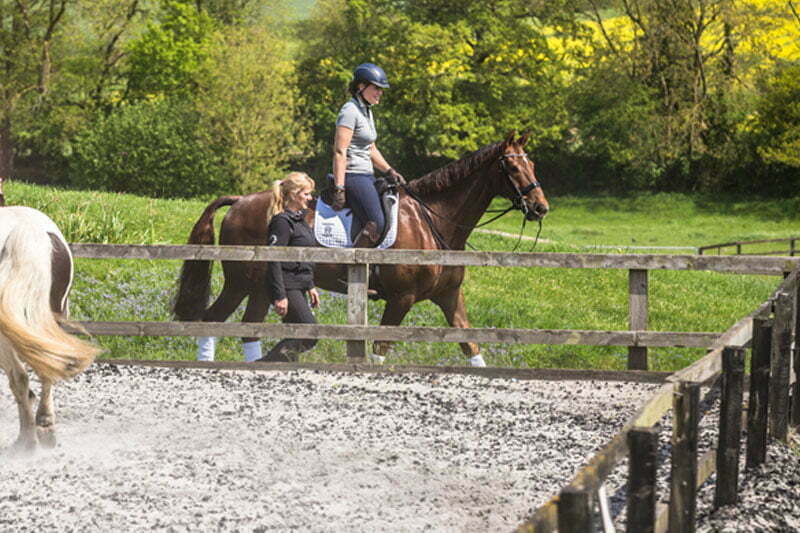
Intermediate Benchmarks in Dressage Development
Once the basics are firmly established, the next phase introduces more complexity. Intermediate dressage training milestones focus on increased engagement, suppleness, and responsiveness. Horses at this level should demonstrate:
- Improved Collection: Ability to carry more weight on the hindquarters and lighten the forehand.
- Shoulder-In and Travers: Introduction to more advanced lateral movements, which improve flexibility and strength.
- Lengthening and Shortening of Stride: Adjusting stride within each gait while maintaining balance and rhythm.
- Counter-Canter: Demonstrating balance and straightness on the “wrong” lead, preparing for flying changes.
- Refined Rider Aids: Rider uses subtle, coordinated cues for communication; see rider aids in dressage explained for more insight.
At this stage, both horse and rider must work together with increasing precision. Regular feedback from a qualified instructor and careful attention to the horse’s physical and mental well-being are essential for continued progress.
Advanced Achievements and Competitive Readiness
The upper levels of dressage require mastery of complex movements and a high degree of athleticism from both horse and rider. Advanced dressage training milestones include:
- Flying Changes: The horse changes leads at the canter in response to subtle rider cues.
- Pirouettes and Piaffe: Highly collected movements that demonstrate strength, balance, and responsiveness.
- Passage: An elevated, cadenced trot that showcases the horse’s suspension and power.
- Consistent Self-Carriage: The horse maintains balance and impulsion without relying on the rider for support.
- Fluent Transitions Between Movements: Seamless execution of complex patterns and sequences.
Achieving these milestones often takes years of dedicated work. Riders should continue to refine their skills, including effective leg aids in dressage and balance, to support their horse’s development at this level.
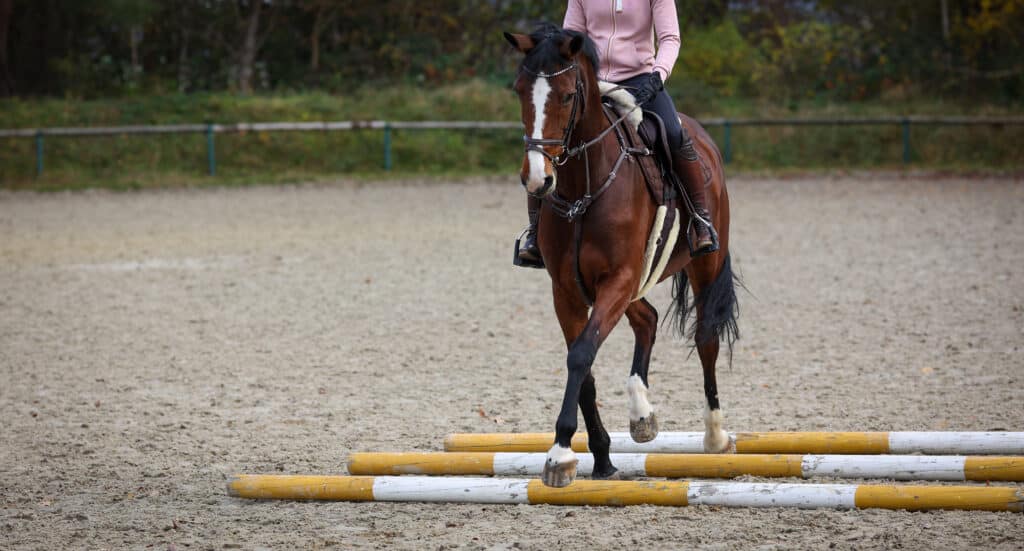
Supporting Your Horse’s Journey Through the Levels
Progress in dressage is rarely linear. Horses and riders may revisit earlier skills to reinforce understanding or address challenges. Patience and adaptability are key. Regularly assessing your horse’s physical condition, mental state, and willingness to work will help prevent setbacks and ensure steady improvement.
Riders should also invest in their own education. Resources such as dressage rider balance tips can help you develop the feel and timing needed for higher-level work. Attending clinics, watching experienced riders, and seeking constructive feedback are all valuable ways to enhance your skills.
For those new to the discipline, learning about how to get started in dressage can provide a helpful overview and set realistic expectations for the journey ahead.
Frequently Asked Questions
How long does it take to reach major dressage training milestones?
The timeline varies widely depending on the horse’s age, temperament, and previous experience, as well as the rider’s skill and consistency. Some horses may progress through the basics in a year or two, while reaching advanced levels can take several years of dedicated work.
What are the signs that my horse is ready to move up a level?
Key indicators include consistent performance of current exercises, willingness to learn new skills, and the ability to maintain relaxation and balance as tasks become more challenging. If your horse struggles with a particular exercise, it’s often best to reinforce the basics before advancing.
How important is the rider’s position in achieving dressage milestones?
The rider’s position is critical for clear communication and balance. A secure, independent seat and correct use of the aids enable the horse to understand and respond to requests. Investing time in improving your own skills will directly benefit your horse’s progress.