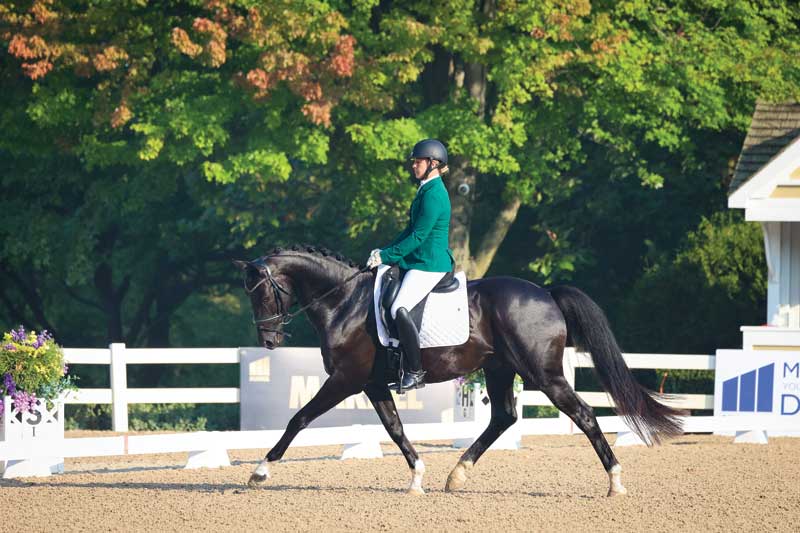
Dressage is a discipline that emphasizes harmony, precision, and communication between horse and rider. Understanding the progression of dressage levels is essential for anyone looking to improve their skills, set realistic goals, or simply gain a deeper appreciation for the sport. This guide breaks down the structure of dressage training, outlining each stage and what riders and horses are expected to achieve as they advance.
Whether you are new to equestrian sports or looking to refine your technique, learning about the various stages of dressage can help you plan your training and measure progress. For riders interested in developing specific skills, resources such as hand position in dressage riding provide valuable insights into the finer points of the discipline.
Understanding the Structure of Dressage Progression
The journey through the different stages of dressage is designed to systematically develop both horse and rider. Each level builds on the previous one, introducing new movements and increasing the level of difficulty. The main goal is to create a partnership where the horse responds willingly and with minimal visible cues from the rider.
Dressage competitions and training programs typically follow a standardized set of levels, each with its own set of required movements and objectives. These stages are recognized internationally and form the backbone of most dressage training systems.
Introductory and Basic Levels: The Foundation
The initial stages of dressage focus on establishing the basics. At these levels, the horse and rider work on rhythm, relaxation, and straightness. The horse should move forward willingly, maintain a steady tempo, and respond to simple aids.
- Introductory Level: Designed for those just starting, this stage emphasizes walk and trot work, large circles, and simple transitions. The horse should demonstrate calmness and a willingness to move forward.
- Training Level: Here, the horse is expected to show more balance and consistent contact with the bit. Movements include walk, trot, and canter on straight lines and large circles, as well as transitions between these gaits.
Mastering these basics is crucial before moving on to more advanced work. Riders are encouraged to focus on their position and aids. For tips on improving your seat, check out how to develop an independent seat.

Developing Skills: From First Level to Third Level
As horse and rider progress, the expectations increase. The next set of stages introduces more complex movements and requires greater balance, suppleness, and engagement from the horse.
- First Level: At this point, lengthening of stride in trot and canter is introduced. The horse should show increased engagement of the hindquarters and a more elastic connection.
- Second Level: Lateral movements such as shoulder-in, travers, and simple changes of lead through the trot are required. Collection and impulsion become more important.
- Third Level: Movements like flying changes, half-pass, and extended gaits are introduced. The horse must demonstrate clear self-carriage and increased collection.
Riders at these stages benefit from refining their aids and improving their balance. Articles such as dressage rider balance tips can provide practical advice for mastering these skills.
Advanced Dressage: Fourth Level and Beyond
The upper stages of dressage demand a high degree of athleticism, precision, and partnership. Horses and riders must be able to perform advanced movements with accuracy and grace.
- Fourth Level: This stage includes movements such as tempi changes, more advanced lateral work, and increased collection. The horse must show clear understanding of the aids and maintain balance throughout.
- FEI Levels (Prix St. Georges, Intermediaire, Grand Prix): These are the highest levels of dressage, seen in international competition. Movements include piaffe, passage, pirouettes, and multiple flying changes. The horse must be highly responsive, supple, and collected.
At this stage, attention to detail is crucial. Riders should focus on the subtlety of their aids and the precision of each movement. For more on refining your technique, see effective leg aids in dressage.

Key Elements for Success at Every Stage
Progressing through the various stages of dressage requires patience, consistency, and a willingness to learn. Here are some essential factors to keep in mind:
- Correct Basics: Solid groundwork in the early stages sets the foundation for advanced work.
- Clear Communication: Subtle, effective aids are crucial. For a deeper understanding, see rider aids in dressage explained.
- Progressive Training: Move up only when both horse and rider are consistently performing required movements with ease.
- Patience and Consistency: Dressage is a long-term journey. Progress may be gradual, but steady improvement is the goal.
Common Challenges and How to Overcome Them
Riders often encounter obstacles as they move through the stages of dressage. Some common challenges include:
- Plateaus in Progress: It’s normal to experience periods where improvement seems slow. Revisiting the basics and seeking feedback from a qualified trainer can help.
- Horse Resistance: If a horse resists certain movements, check for physical discomfort, confusion, or inconsistent aids.
- Rider Position Issues: Maintaining a balanced, effective seat is vital. Regularly reviewing your position and using mirrors or video can be beneficial.
For those just starting out, a beginner equestrian’s guide to dressage riding offers step-by-step advice on building confidence and skill.
Frequently Asked Questions
What is the purpose of dressage levels?
The levels in dressage provide a structured path for developing the horse’s athletic ability and the rider’s skills. Each stage introduces new challenges, ensuring steady and safe progress for both partners.
How do I know when to move up to the next stage?
Advancement should be based on consistent, correct performance of the required movements at your current level. Feedback from trainers and judges can help determine readiness to progress.
Can any horse participate in dressage?
Most horses can learn and enjoy dressage, regardless of breed. The key factors are soundness, willingness, and a training approach suited to the individual horse’s abilities.
What equipment is recommended for dressage?
While specialized tack such as a dressage saddle can enhance comfort and performance, the most important factors are fit and suitability for both horse and rider. Proper hoof care is also essential, as healthy hooves support sound movement.
Dressage is a rewarding discipline that offers lifelong learning for riders and horses alike. By understanding the progression of training stages and focusing on steady improvement, anyone can enjoy the journey and the partnership it creates.